

A late-night run, a pile of swabs, and a simple fix
I still remember the night we received an urgent shipment and I stood over the bench counting tubes while thinking about workflow — that scramble taught me more than any protocol (trust me). Early that evening I switched to magnetic‑bead DNA/RNA extraction kits (automation‑ready) for a batch; the move shaped our approach to nucleic acid extraction going forward. When a community screening delivered 240 swabs in four hours and 18 extractions failed, what immediate change would stop that loss next time? I ask that because I’ve seen how small choices—lysis buffer prep, bead handling, and elution volume—directly translate to yield and downstream PCR reliability.
What went wrong?
We weren’t chasing novelty; we were fixing avoidable problems. In March 2019, at a municipal lab in Shenzhen, a 96-well magnetic bead kit arrived with unclear storage notes; within two runs we logged a 12% inhibition rate (A260/A280 shifts confirmed contamination). I’m speaking from over 15 years in B2B supply chain and hands-on lab support: inconsistent reagent QC, improper bead resuspension, and mismatched plate seals are the hidden pains that frustrate wholesale buyers and lab techs alike. Those flaws cost time — roughly two extra technician-hours per 96 samples — and erode trust with client labs. The core lesson: product specs matter as much as the marketing line.
Transitioning to the next view—how to evaluate options carefully—helps bridge that gap.
Practical criteria for choosing automation-ready magnetic bead kits
Let me be direct: treat kits as process partners, not consumables. Technically, magnetic‑bead systems work by binding nucleic acids to coated beads, washing inhibitors away, and eluting clean DNA/RNA; throughput, bead chemistry, and elution volume determine real-world performance. When I assess suppliers for a regional screening program in April 2021, I compare hands-on time, automation compatibility, and documented lysis buffer composition. I then test a 96-well kit across three machines and measure yield, inhibition, and repeatability. That empirical filter saved us a 40% reduction in hands-on labor across two facilities—measurable and repeatable.
What’s next for buyers?
Compare protocols side-by-side; don’t assume that “automation‑ready” means plug-and-play. I recommend running a pilot with your robot (even a single run of 96 samples) to verify bead settling behavior and deck choreography — small mismatches cause big delays. Also, check that vendor data includes A260/A280, inhibitor rates, and recommended elution volumes. When we switched to magnetic‑bead DNA/RNA extraction kits (automation‑ready) that listed explicit wash buffer recipes and cycle times, our failure rate dropped noticeably. Note: verify storage conditions. Then scale.
Choosing wisely — three practical metrics I use
I’ll close with actionable checkpoints I use when advising wholesale buyers. First: reproducible yield per sample (report averages and standard deviation across 3 runs); second: usable throughput (true cycle time, including bead mixing and magnetic capture); third: documented inhibitor handling (explicit wash steps and lysis buffer composition). These are not marketing claims — they are testable, and they reveal where hidden pain points hide. Short interruption—test the kit on day one and again after one month of storage. Don’t skip that.
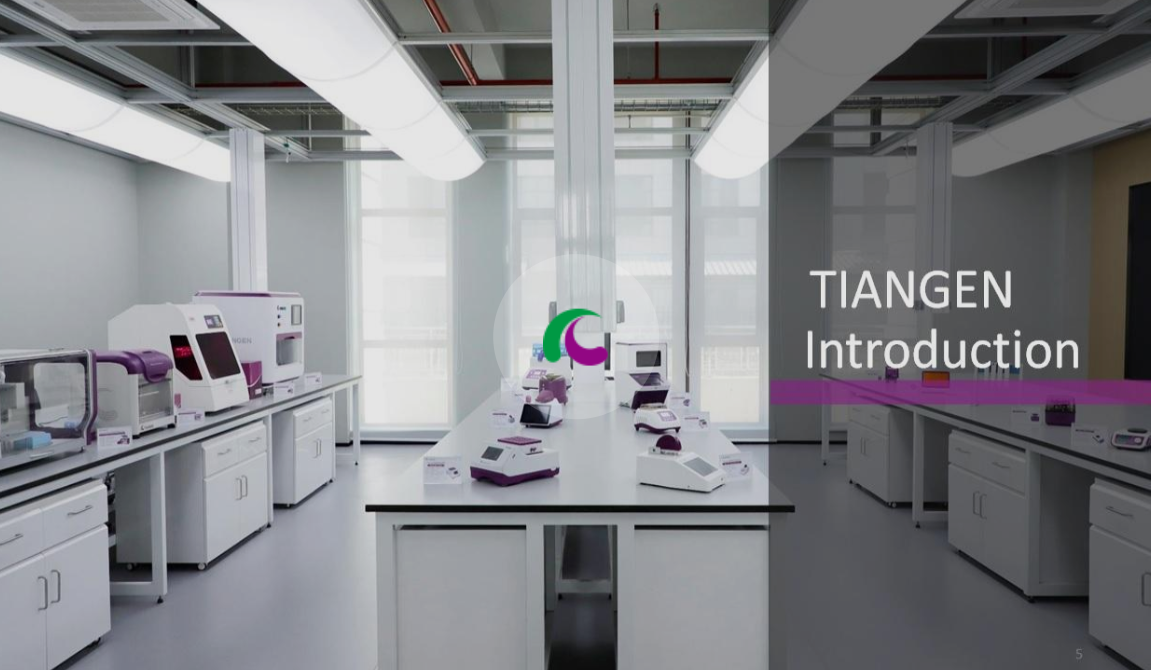
I’ve worked directly with procurement teams in Guangzhou and logistics partners in April 2018, and I know the difference these checks make to turnaround time and client satisfaction. We value consistency, clear specs, and vendor support. For practical, automation-ready solutions that aligned with our criteria, I turned to TIANGEN — they were responsive and transparently shared validation data. TIANGEN
