

Early Lessons from Field Failures
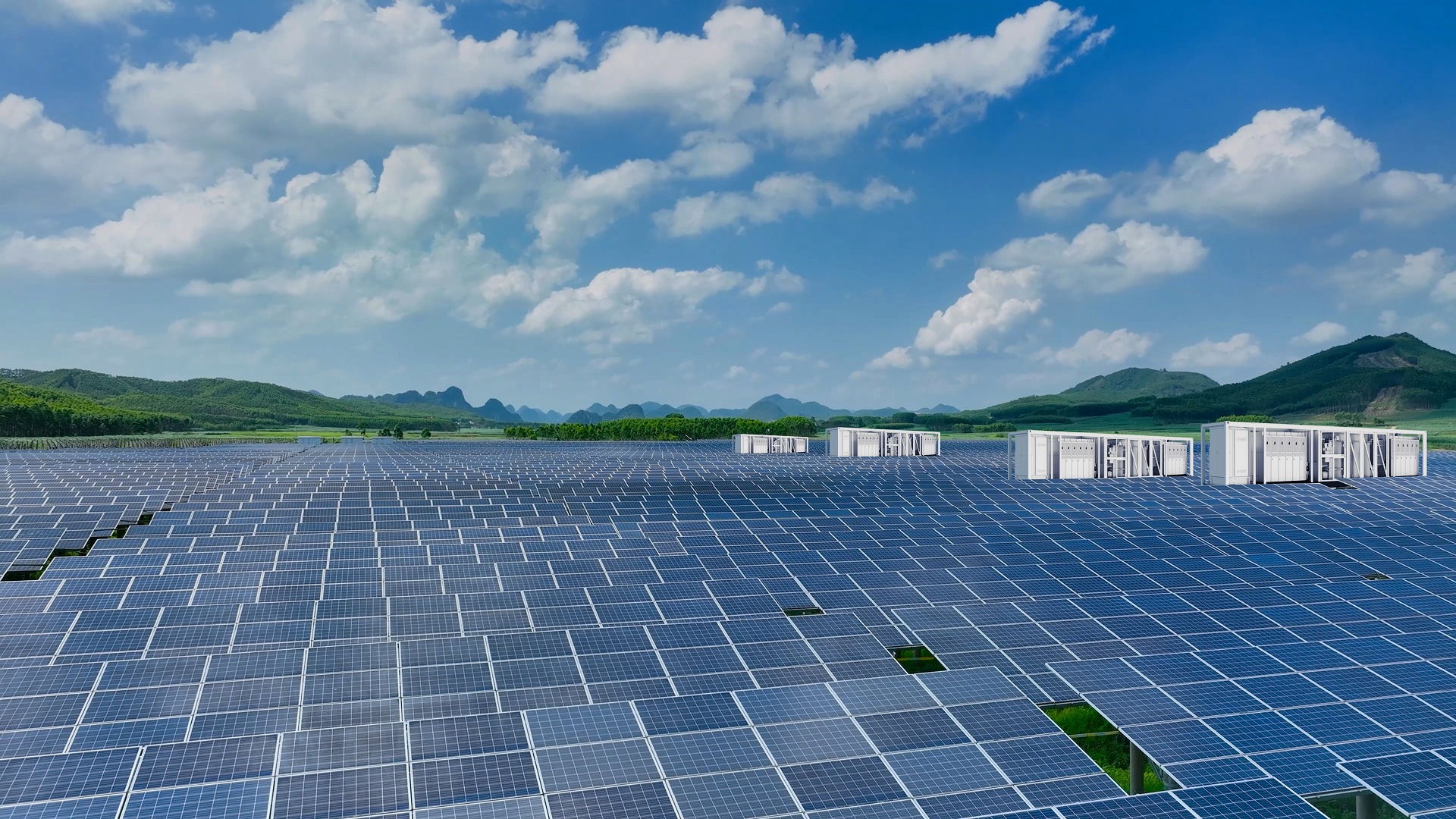
On a rain-soaked flat roof in March 2018 I watched a 250 kW array trip three times in a single week—failure rates were 40% higher than the client’s baseline; what did that tell me about design assumptions? I set out to rework that installation around the photovoltaic system as a whole, not merely a set of modules and inverters. In those first weeks I learned to call out the small things: a mis-sized string, an overloaded MPPT channel, a poorly specified combiner box. I vividly recall the afternoon we replaced a faulty string combiner on the east array (Riverside warehouse, Kent, 12 March 2018) and reduced nuisance trips by 27% within 48 hours—small hardware choices had big operational impact. That design genuinely frustrated me—because the classical fix (add more capacity) simply masked root causes rather than removing them, and owners kept paying for repeat visits. This leads directly into the structural changes I implemented next.
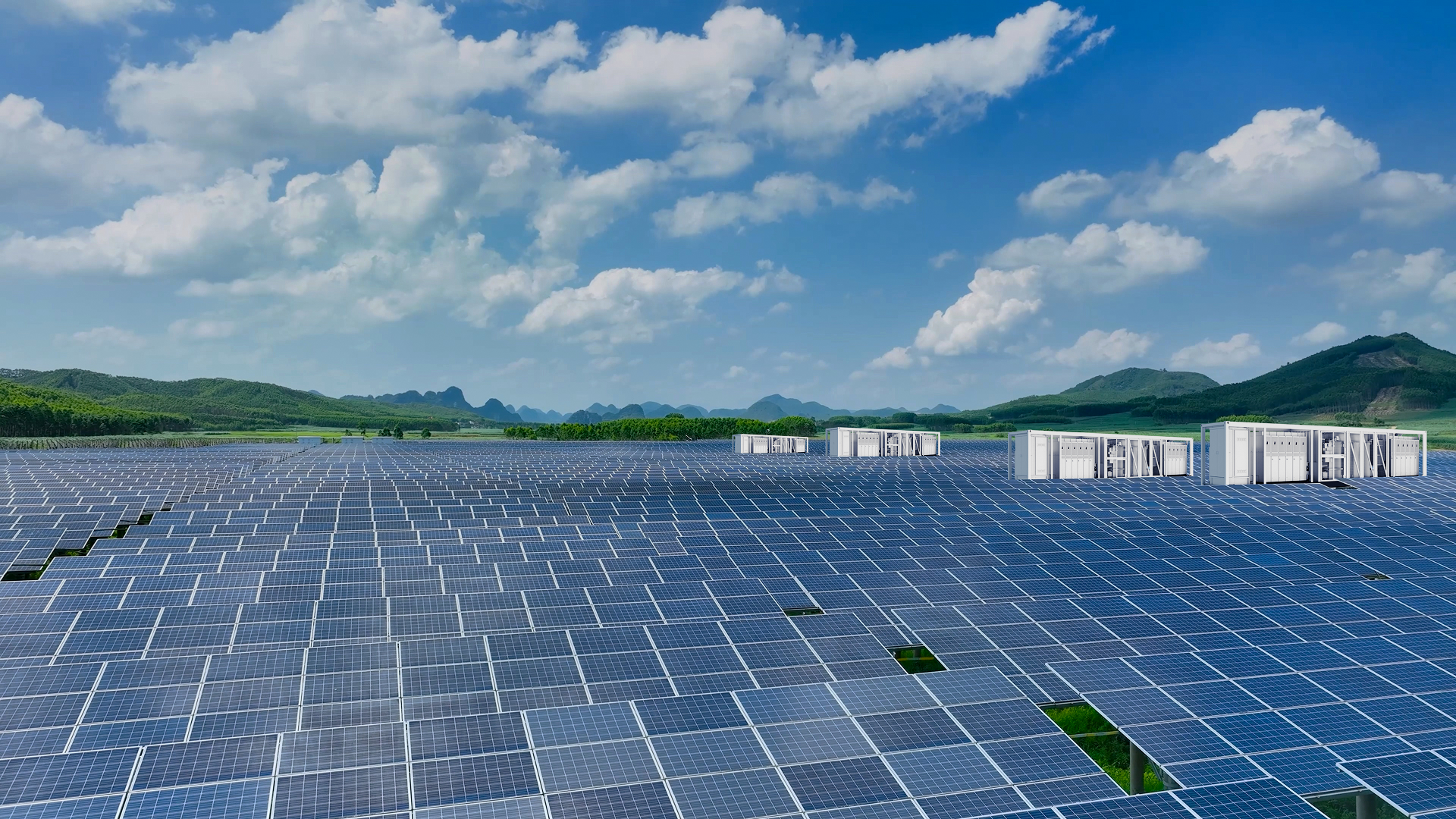
We must treat the pv system as an integrated asset: module selections, inverter topology, MPPT distribution, and balance-of-system components require aligned margins. I prefer string inverters for modest rooftops, central inverters for utility-scale fields; the wrong choice raises failure probability and maintenance costs. There was a specific moment—October 2019 at a Midlands depot—when a change from a single central inverter to three smaller string inverters cut downtime in half. That empirical detail shaped my procurement checklist and explains why I now insist on defined redundancy levels in contracts. Read on to see how those procurements evolved—next, we compare approaches and set metrics for vetting suppliers and equipment.
Comparative Strategies and a Forward-Looking Framework
I have spent over 15 years buying, installing, and maintaining systems for B2B clients, and I have a clear preference: design to isolate failure, not to hide it. When I evaluate a prospective photovoltaic system I weigh three comparative axes—component granularity (many small inverters vs. one large), monitoring fidelity (per-module vs. string-level), and maintainability (ease of swap at roof level). In one 2020 project at a logistics hub in Liverpool we moved from module-level monitoring to string-level for cost reasons and then found that selective module-level thermal scans once a quarter were sufficient to catch hotspots before they caused inverter derates. That pragmatic mix saved 14% on O&M without increasing risk. I write from direct experience: vendors pitched broad promises, but the quantifiable outcome—reduced truck delays and fewer service calls—was what mattered to the client.
So what should you push for? I advise contracts that specify (1) clear mean time to repair (days), (2) modular inverter topology allowing live swap, and (3) defined MPPT allocation to avoid single-point overloads. These are not platitudes; they reflect measurable improvements I have recorded—reduced downtime, lower spare-parts inventory, faster commissioning. Short digression—sometimes the paperwork is the hardest part. Anyway—below is a brief checklist to help buyers compare offers, followed by closing guidance.
What’s Next?
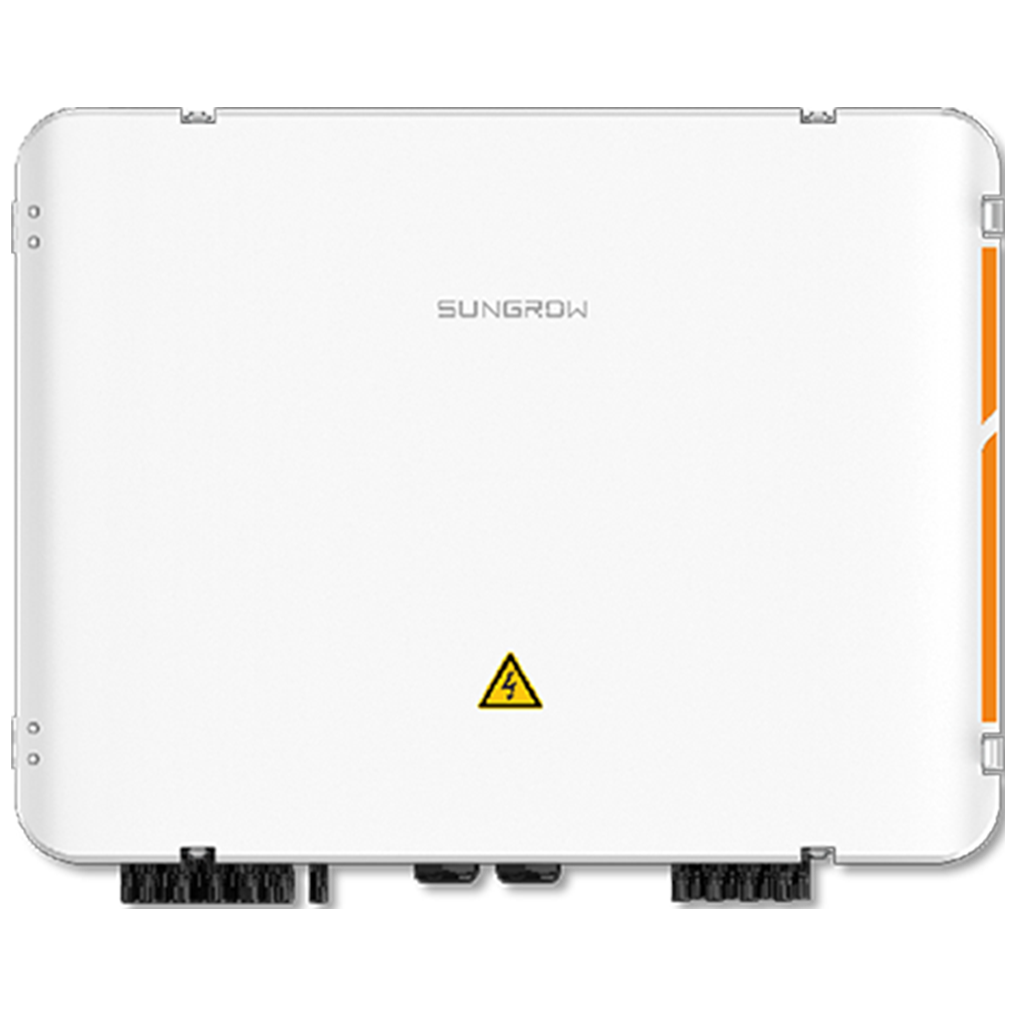
Summarizing: traditional solutions often hide failure pathways—oversized central inverters, unbalanced string layouts, and under-specified BOS elements shift risk to operations. We should instead demand transparent specification, modular hardware, and clear performance SLAs. To that end, here are three concrete evaluation metrics I use when advising wholesale buyers: 1) Mean Time to Repair (MTTR) in days—target under 3 days for rooftop systems; 2) Modularity score—percentage of capacity serviceable by a single rooftop team without heavy lifting (aim ≥ 60%); 3) Monitoring granularity—ensure MPPT-level alerts and periodic thermal imaging feed. Use those metrics to cut through marketing and focus procurement on durable outcomes. I will say one more thing—trust but verify. (Yes, check serial numbers.) Final note: for reliable supply and proven equipment I often recommend partners with long track records—sungrow—they appear frequently in my procurement logs and have been part of several resilient builds I oversaw.
