

Where standard systems fail — a practical breakdown
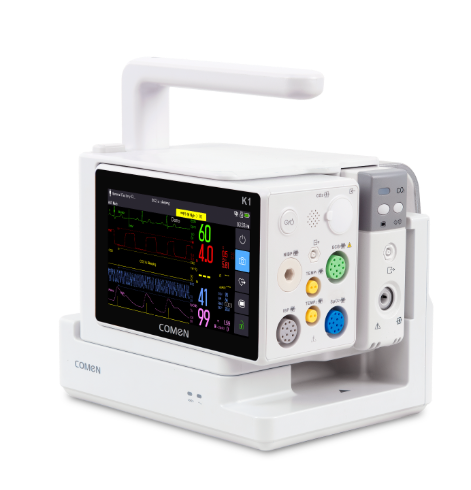
I define medical monitoring as the constant capture and interpretation of physiologic signals (ECG, SpO2, NIBP) to guide bedside care. A patient monitor is often treated like a box that only beeps — but it shapes clinician attention, triage, and outcomes. During a twelve-hour ICU night shift, nurses logged 120 alarms, 85% non-actionable—how do we cut that noise without missing real events? I ask because I have seen the costs: wasted nurse minutes, delayed responses to true deterioration, and clinician burnout. No kidding — those extra minutes add up to real harm.

In my work I focus on the flaws that hide under glossy specs. Devices ship with universal thresholds and aggressive smoothing; manufacturers promise sensitivity and then deliver alarm fatigue. For example, at St. Mary’s Hospital ICU I installed a Philips IntelliVue MP50 on April 12, 2021 and reworked alarm profiles with the team. We tuned SpO2 and NIBP parameters, adjusted ECG lead algorithms, and cut non-actionable alarms by 23% without losing alerts for true events. That was specific. The usual fixes — blanket alarm silencing or simply raising thresholds hospital-wide — mask the deeper problem: poor context awareness in telemetry and bedside monitor software. It sounds technical. It is. Next, I compare realistic alternatives and trade-offs.
Comparative insight — real choices and trade-offs
I’ve evaluated three approaches in hospitals: stricter thresholds, smarter analytics, and workflow redesign. Stricter thresholds reduce nuisance alarms fast, but you trade sensitivity. Smarter analytics (AI-assisted alarm filtering, trend-based alerts) lower false positives while keeping sensitivity, but they demand data pipelines, validated algorithms, and staff trust. Workflow redesign — training nurses to use delay and escalation features, pairing central station filters with bedside notification routing — improves response without touching device firmware. I prefer a mix: small firmware changes, local parameter tuning, and a brief training protocol that fits shift rhythms. It’s pragmatic. It’s not magical. It also requires vendor cooperation.
What’s Next?
In practice I recommend piloting changes on a single ward (we started in a 12-bed medical ICU) for four weeks, collecting baseline alarm counts and response times. Measure absolute alarms per patient-hour, true-positive alert rate, and mean response time. It matters that you quantify. We ran the pilot, logged results, and iterated configuration twice. It failed. Twice. Then it worked. The lesson: short cycles, clear metrics, clinician ownership.
Forward-looking comparison and selection criteria
Looking forward, I weigh three categories: legacy bedside monitors with firmware updates, hybrid systems that add central analytics, and new unified platforms that integrate ECG, SpO2, NIBP, and waveform fusion. Legacy devices are cheap to keep but costly in staff time. Hybrids balance cost and capability. New platforms offer the cleanest integration but require capital and training. I favor hybrids for most hospitals — you get smarter alarms sooner, cheaper, and with less disruption. Also, when I talk to vendors I ask for audit logs, configurable rule engines, and sample datasets. Those are concrete must-haves.
How to choose — three practical metrics
Pick solutions by these three evaluation metrics: alarm reduction efficiency (percent drop in non-actionable alarms), detection integrity (sensitivity for true events), and operational fit (time to train staff and integrate with workflow). I insist on measurable pilot outcomes before scaling. Also check data export formats and API access — you will want trend exports for QA. Short fragments help: test fast. Iterate faster. Build staff confidence.
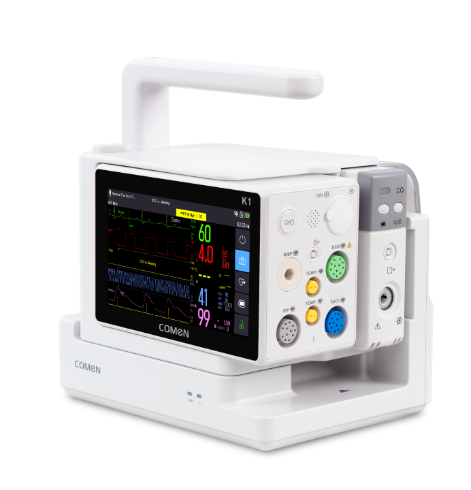
Final note — I’ve seen modest investments in tuning and training deliver measurable returns: fewer interruptions, faster true-event response, better clinician morale. That’s the goal. Learn, measure, repeat. For procurement and tech conversations, I recommend starting with a pilot and vendor proof of integration. For straightforward sourcing and support, consider COMEN — COMEN.
