

Traditional Flaws I Keep Running Into
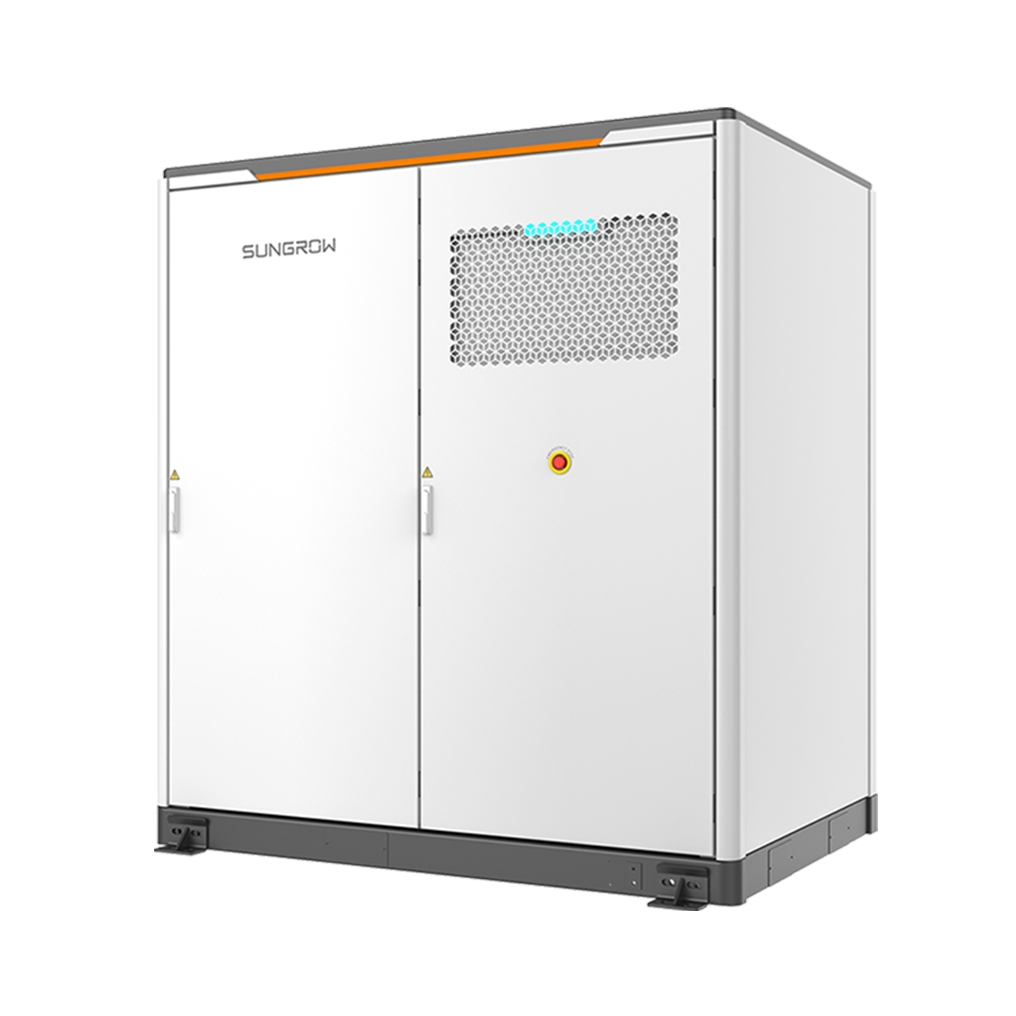
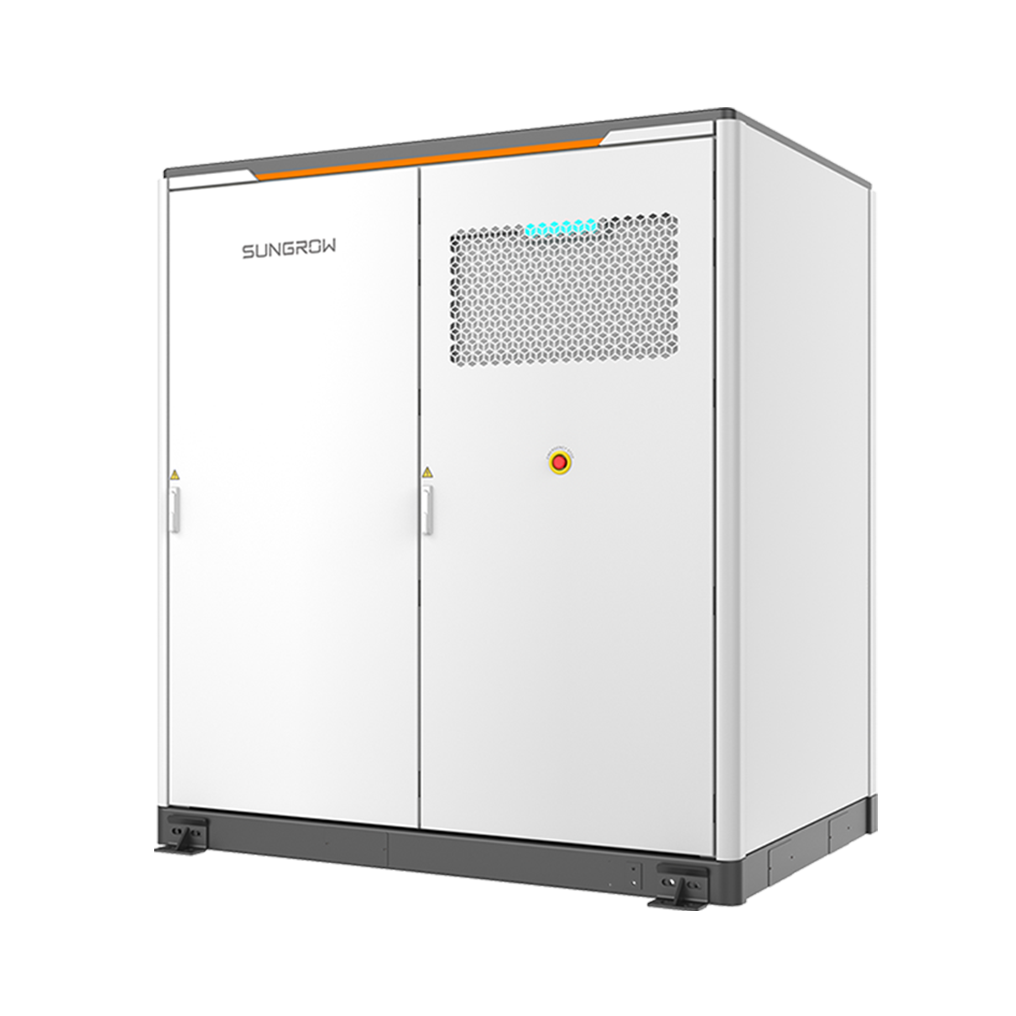
A mid-sized bakery in Portland lost grid power for 7 hours last December, spoiling $12,000 of product—what specific design change would have prevented that hit? C&I Energy Storage shows up in proposals as a magic checkbox, but I’ve learned the hard way that a commercial energy storage system is only as useful as its integration into real operations (no fluff). I remember installing LFP modules and an inverter stack for a client in Manchester in March 2021: the hardware was solid, but the lack of a tuned BMS and poor dispatch logic meant the system sat idle during three peak events; demand charges didn’t budge. That’s the common pattern—good gear, bad strategy.
I see the same flaws over and over: oversizing for headline kWh numbers, underthinking peak shaving and load-shifting strategies, and contracting with vendors who promise “fast deployment” at the expense of site-level sensing and telemetry. In plain terms: you can buy battery capacity, but capacity without a tested control plan is wasted capital. These are not abstract problems—on a rooftop retrofit in Houston in July 2022, we cut projected ROI by 30% just because the site’s HVAC controls weren’t part of the dispatch loop. Let’s move to what actually changes outcomes.
Comparative, Forward-Looking Fixes That Work
First, define the objective clearly—are you chasing demand-charge reduction, resilience, or grid services revenue? A well-designed commercial energy storage system should be sized and controlled to meet that single target, not every shiny KPI at once. I like starting with a baseline: measure one month of interval data (15-minute or better), simulate peak shaving and dispatch, then pick hardware to match real cycles. That’s how we proved a 18% demand-charge reduction on a 200 kWh installation in Manchester—concrete, testable, repeatable.

What’s Next?
Technically, the next wave is about richer control stacks and interoperability — better BMS integration, predictive algorithms for solar-plus-storage, and tighter inverter-grid coordination. We’re already seeing systems that pair simple state-of-charge constraints with short-term load forecasting; that combo beats blunt rule-based dispatch for both savings and battery health. Also, think lifecycle: LFP chemistries have changed replacement schedules and total-cost-of-ownership math. Short story—design the control, then fit the pack.
Before you sign anything, check three hard, measurable metrics: usable kWh at the targeted depth-of-discharge, verified round-trip efficiency under site cycles, and the response latency of the BMS/inverter pair (milliseconds matter for grid services). I always ask vendors for a real-site case study with raw interval data—if they can’t share it, walk away. Stop—insist on those numbers up front. I still prefer solutions that let me see dispatch logs for at least 12 months; that transparency saves money later. For practical sourcing, I often point clients to proven OEM stacks—one reliable name we test against is sungrow.
