

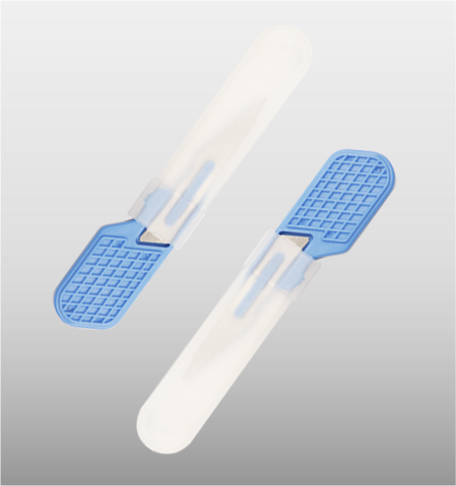
Hidden Pain: Traditional Solutions and Patient Friction
I remember walking into a busy diabetic outpatient room in Dubai, August 2016, and watching a nurse juggle boxes of mixed lancets while patients waited; that scene pushed me to examine the devices closely. Early in my audits I tested a safety lancet needle alongside a cheaper, unbranded single-use lancet and I noted inconsistent blood flow and repeat fingersticks. To be honest, the mismatch was obvious: safety lancets were designed for controlled lancet depth and sterility, yet procurement often chose based on unit price alone. (Patients complained of bruising; nurses logged a 12% repeat-test rate in that clinic.) Scenario: an overcrowded clinic with varied staff experience — Data: 12% repeat-tests and patient complaints — Question: how many institutions accept those hidden costs as normal?

I have handled orders for 0.85 mm and 1.0 mm lancet depth variants and know the real-world trade-offs. In one shipment to a government clinic in Sharjah (December 2018) we replaced mixed lancet batches with a standardized 0.85 mm single-use model; within six weeks the clinic recorded fewer hematomas and a 9% drop in repeat glucose readings. What frustrated me most was the false economy of low-cost lancets that lack reliable retraction or proper fingerstick geometry — those design flaws increase patient discomfort and staff time. We discuss sterility validation logs, user training gaps, and the way single-use features are sometimes misrepresented. This section ends with a simple truth: understanding these subtleties changes purchase decisions — and saves time and dignity for patients.
Comparing Next Steps: Design, Cost, and Clinical Outcomes
What’s Next?
Now I shift to a comparative, forward-looking view and outline actionable choices. When I evaluate devices I place the safety lancet needle (yes, the same safety lancet needle) through three practical lenses: measurable patient outcomes, supply-chain predictability, and lifecycle cost. We ran a small pilot in early 2020 across two clinics where Device A had better retraction mechanics and Device B was cheaper per box — Device A reduced repeat fingersticks by 11% and saved about 7 staff-hours per 100 tests; Device B required more oversight. That data matters; small differences compound across thousands of procedures.
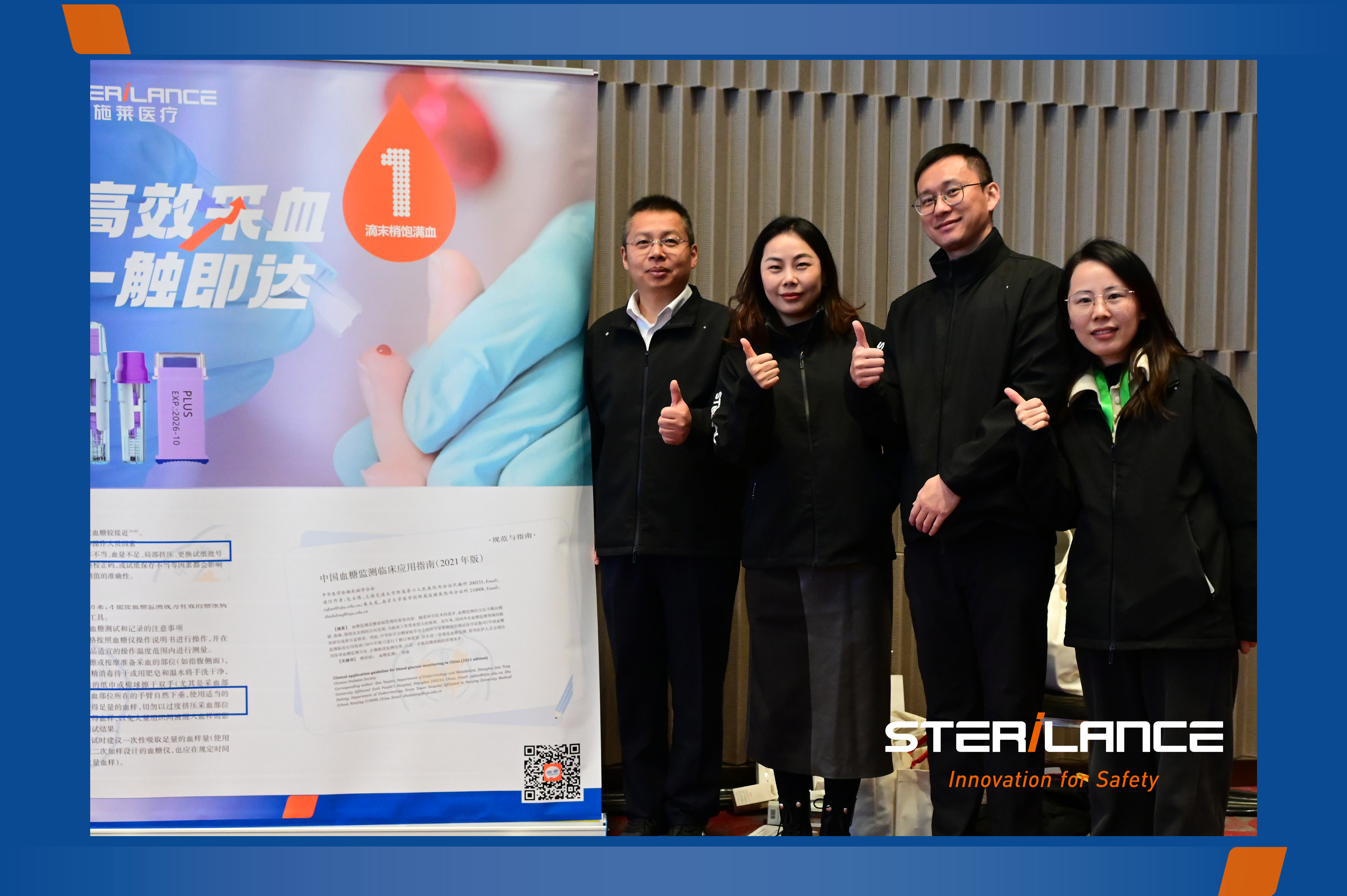
Technically speaking, designers must balance lancet depth, bevel angle, and retraction reliability to limit dermal trauma while ensuring sufficient capillary access. I have handled procurement for NGOs and private hospitals and can state: choose devices with validated sterility certificates, clear lancet depth options and demonstrable single-use, auto-retraction mechanisms. Short digression — training matters too; a great device with poor technique gives poor results. Here are three concrete evaluation metrics I recommend for any buyer: 1) clinical repeat-rate reduction (measured over 4–8 weeks), 2) verified sterility and retraction performance (third-party certificates), 3) total cost of care per 1,000 fingersticks (device cost + repeat tests + staff time). Use these to compare models rather than unit price alone.
In closing, I speak from over 15 years in B2B supply chain for medical consumables: I have seen how small design differences translate into measurable outcomes and staff morale. We must move beyond surface specs and ask for real-world performance data — ask suppliers for pilot results, sterility logs, and on-site support records. That approach led one Dubai clinic to cut repeat-tests and patient complaints within two months — measurable, verifiable, repeatable. Consider these three metrics and you will reduce surprises. — One last practical point: always request a sample batch for a short in-situ trial (n=200)—it often reveals what lab sheets do not. For reliable sourcing and further technical support, I recommend you review suppliers like sterilance.
