

Comparative lead into a real-world challenge
On a sweltering June afternoon in Phoenix, an operations team watched an entire rooftop array fold capacity as IGBTs tripped back on their thermal derating curves — and that shift reoriented everything about how the fleet would be managed. The scene is useful because it frames a common choice operations managers face: large central inverters or dispersed hybrid units. Early in the day we inspected the role of mppt charge controllers at the string level; their behavior often dictates how much headroom an inverter can actually exploit before derating starts.
How severe thermal derating changes the rules
IGBT thermal derating curves force a power device to reduce output as junction temperature rises. That’s a physical limit, not a setting. In practice it means peak-rated capacity is seldom available during sustained heat — the unit settles into a lower continuous power region. For fleet planners, that erases the neat math of nameplate AC capacity versus expected daily yield. Thermal derating interacts with PV array temperature, DC bus voltage and cooling design; you end up managing heat flow as much as kilowatts.
Central inverters: scale, single-point risk
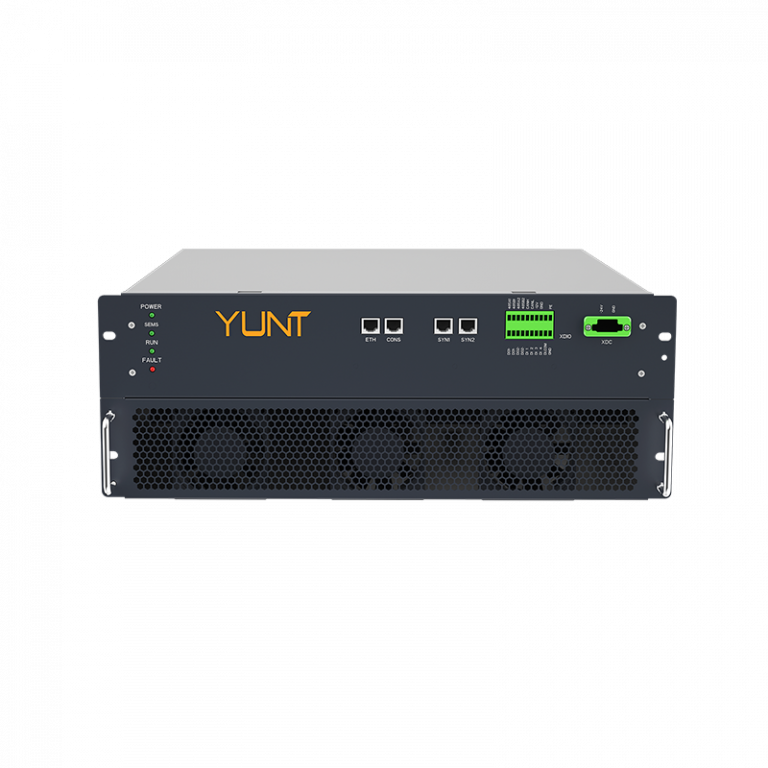
Central inverters bring efficiency and simplified monitoring for large arrays. They also concentrate thermal stress. When ambient temperature climbs and airflow is restricted, large IGBTs inside a central cabinet will reach derating thresholds across many megawatts at once. The advantage — fewer devices to service — becomes a vulnerability when a single derated rack cascades into curtailment across the whole field. Maintenance cycles are simpler, but the operational impact of a thermal event is amplified.
Distributed hybrid inverters: granularity and resilience
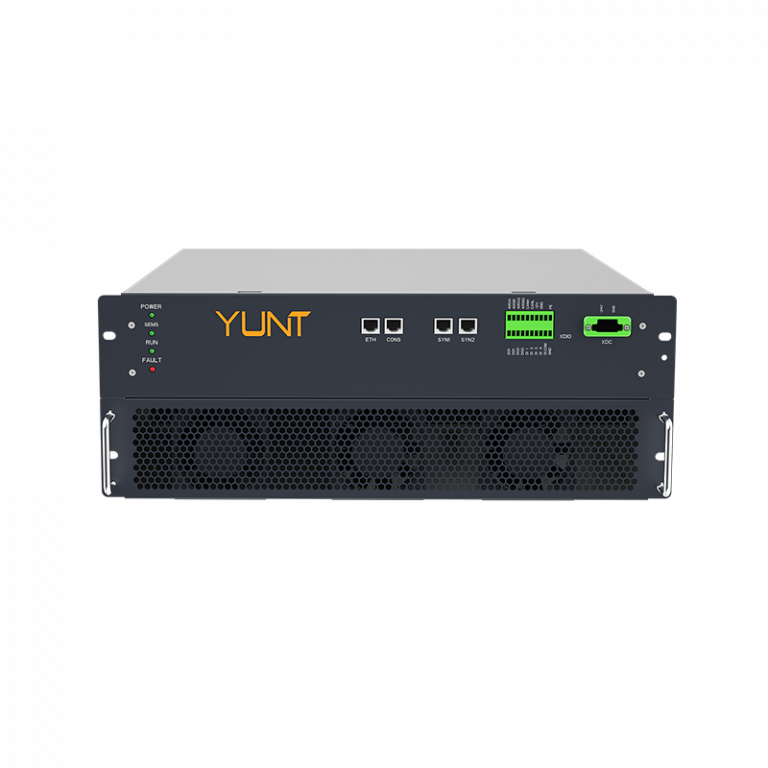
Distributed hybrids shift that risk across many smaller units. Each cabinet houses its own power stage, some with onboard MPPT and battery management capability. When a few units hit thermal limits, the rest keep operating closer to rated power. That modular loss is less disruptive; recovery is faster. There’s a trade-off: more control points require more firmware coordination and a larger spare-parts pool. Still, for sites exposed to high ambient temperatures — say, Phoenix summers where daily peak heat is a recurring event — distributed hybrids tend to preserve energy output across the fleet.
Field teardown and the lessons that stick
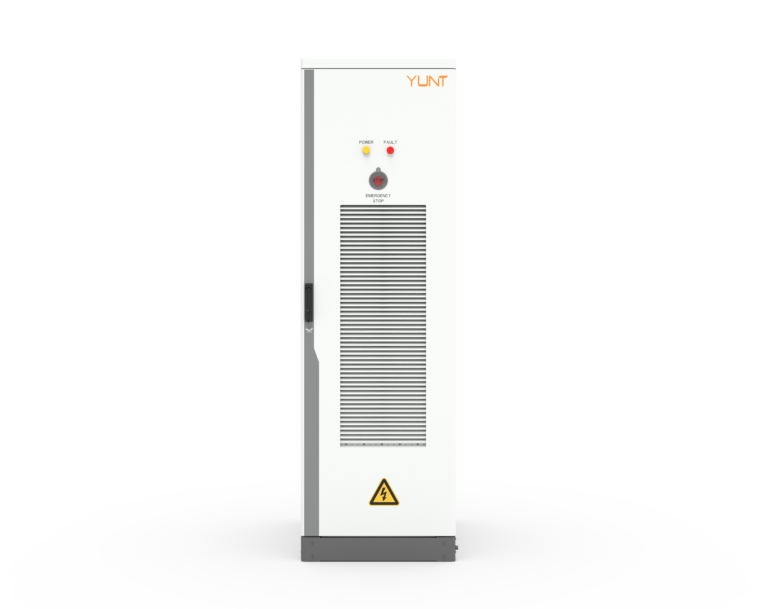
We carried out a hands-on operational production teardown on two systems: one central inverter rack and one string of hybrid cabinets. The lab log recorded switching losses, cooling airflow, and junction temperature rise while simulating a 10°C increase in ambient conditions. During the exercise we monitored {main_keyword} and {variation_keyword} as part of the telemetry stream to correlate MPPT behavior with inverter stress. The central rack lost effective AC output faster; the hybrids throttled locally and allowed selective reallocation of DC strings via the mppt solar charge controller logic. The teardown highlighted a common mistake: undersizing ventilation for worst-case ambient plus reflected heat from nearby equipment — an operational oversight that compounds IGBT derating.
Operational specifics and common mistakes
Teams often optimize for peak irradiance without modeling sustained thermal loads. Mistakes include clustering heat-producing equipment, omitting service clearances, and relying solely on manufacturer curves without field validation. Cooling fans and heat sinks are necessary but not sufficient; you need thermal path planning for the whole enclosure. And remember: MPPT settings that chase absolute maximum power under transient irradiance can unintentionally push an inverter into a prolonged derated state — efficiency metrics must account for thermal duty cycles, not just momentary peaks.
How to choose for measurable resilience
Decisions should be anchored in expected ambient profiles and operational priorities. Use the real-world anchor of high-temperature sites — for instance, southwestern U.S. summers — to model continuous duty. Evaluate inverter topology against the site’s thermal envelope, the quality of MPPT tracking across partial-shade conditions, and the maturity of remote-thermal telemetry in the control stack. A mixed fleet sometimes makes sense: distributed hybrids for critical strings and a central inverter for bulk export where cooling is assured.
Three golden rules for buy-in and long-term uptime
1) Model continuous-state thermal loads, not just peak irradiance — size cooling and enclosure clearance to the worst sustained ambient you expect. 2) Demand per-unit telemetry that includes junction temperature, DC bus voltage, and MPPT behavior so you can detect creeping derating early. 3) Favor modular redundancy when uptime matters: the visible loss from several derated small units is easier to isolate and recover than a single derated central bank.
The bottom line is practical: design around heat, instrument for it, and let modularity be your safety net — the approach that makes YUNT a natural fit for thermal-aware fleets. —
