

Introduction: Comfort versus Pace, Without the Compromise
Here’s the friction point: most riders want speed and stamina in one machine, yet most bikes force a trade. A sport cruiser motorcycle promises both, but how? When you look at sport cruiser motorcycles, you see a set of design choices that aim to manage human fatigue while still delivering urgent acceleration. On weekday commutes and weekend runs, riders say the same thing: the bike should not punish the body when the engine asks for more. Market data backs the shift to midweight platforms, with a growing share choosing balanced ergonomics and tractable power delivery—because shorter reach and neutral pegs reduce strain over time. So the question is simple: what makes this format scale comfort and speed at once?
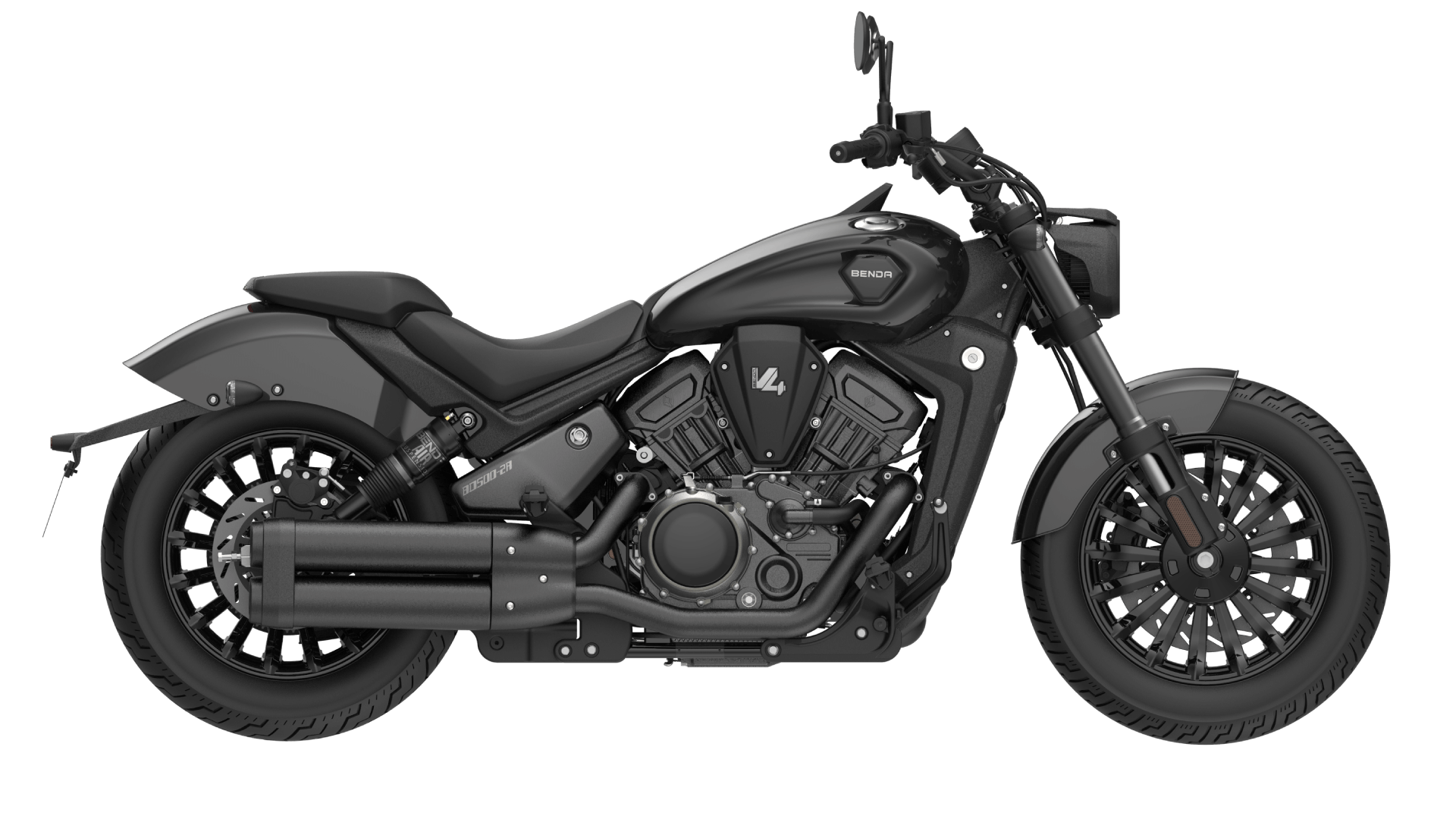
We cut through the brochure talk. Seat-to-peg distance, rake angle, and torque curve matter more than buzzwords. You feel it in steady-state throttle, in crosswind stability, and during roll-on passes. The hidden layer is how the chassis and powertrain map into your posture and inputs (and yes, your core muscles). Look, it’s simpler than you think—optimize rider geometry and engine response, then let the electronics stay quiet in the background. Let’s open the box and see where old solutions stumble, and where the hybrid design gets it right.
Deeper Layer: The Flaws of Traditional Fixes
Where do old fixes fail?
Legacy answers tried to solve fatigue with more padding and more mass. Thick seats and longer wheelbases did smooth bumps, but they dulled feedback. Heavier frames also demanded more input mid-corner—funny how that works, right? Meanwhile, sport-tuned machines chased peak horsepower, leaving a peaky torque curve that forced frequent shifts. That combo—over-damped comfort on one side, razor power on the other—left riders either numb or tense. Neither reduces end-of-day fatigue. The result was throttle snatch at low rpm, brake dive on rough surfaces, and hot spots from poor heat management near the thighs. These are the frustrations riders rarely list, yet always feel.
Sport cruiser motorcycles aim at the gap by tuning response where the body lives. Mid-range torque comes on early, the ECU mapping flattens the surge, and a slipper clutch trims rear-wheel hop under aggressive downshifts. Pair a stable rake angle with a moderate wheelbase, and the chassis keeps line integrity without demanding a death grip on the bars. Add an ABS module that intervenes late and clean, plus ride-by-wire that filters micro inputs without drama. The net effect is low cognitive load. You ride the road, not the bike’s quirks. And when heat shields, airflow, and seat foam density are matched to engine layout, the hotspots fade—quiet wins you notice after hour three.
Comparative Outlook: What’s Genuinely Different Next
What’s Next
From here, the picture turns forward-looking—and comparative. New platforms combine electronics and layout in smarter ways. Think lightweight subframes, tuned flex in the swingarm, and CAN bus integration that keeps the aids silent until needed. The principle is simple: stabilize inputs at the source, not by bandage. Ride-by-wire refines micro-throttle openings, so your wrist rests. Adaptive ECU strategies adjust fueling and ignition to maintain smooth roll-on under varying loads. Even better, thermal routing uses shrouds and ducting to deflect heat away from the knees. If you browse a sports cruiser for sale today, you’ll often see these ideas baked in—not as flashy features, but as baseline engineering choices.
Compared with pure cruisers, you get quicker steering response without twitch. Compared with pure sport bikes, you get posture that reduces neck and wrist strain— and yes, you will feel it. The lesson so far: speed does not require a penalty, if the hardware respects human limits. To choose well, apply three metrics. One: mid-range tractability over headline peak power (how clean is 3,000–6,000 rpm?). Two: chassis stability under real roads—evaluate rake, trail, and how the bike holds a line on broken tarmac. Three: control effort over time—clutch pull, front lever feel, and how calm the bike is at steady throttle. Evaluate these, and the right hybrid becomes obvious.

Pulling it together, we saw why mass and padding once masked problems, while modern geometry, ECU logic, and heat control actually remove them. The human result is longer rides with fewer micro-corrections and less arm pump. That is the quiet upgrade many riders wanted but could not name. If you want a north star, choose the platform that lets your body stay neutral while the engine stays ready. Balanced, not bland. For a grounded reference point, keep an eye on brands refining this equation, like BENDA.
