

Which Questions Should You Ask a Supplier When Evaluating Offers for Explosion-Proof LED Lighting?
Opening: the procurement problem and its immediate signals
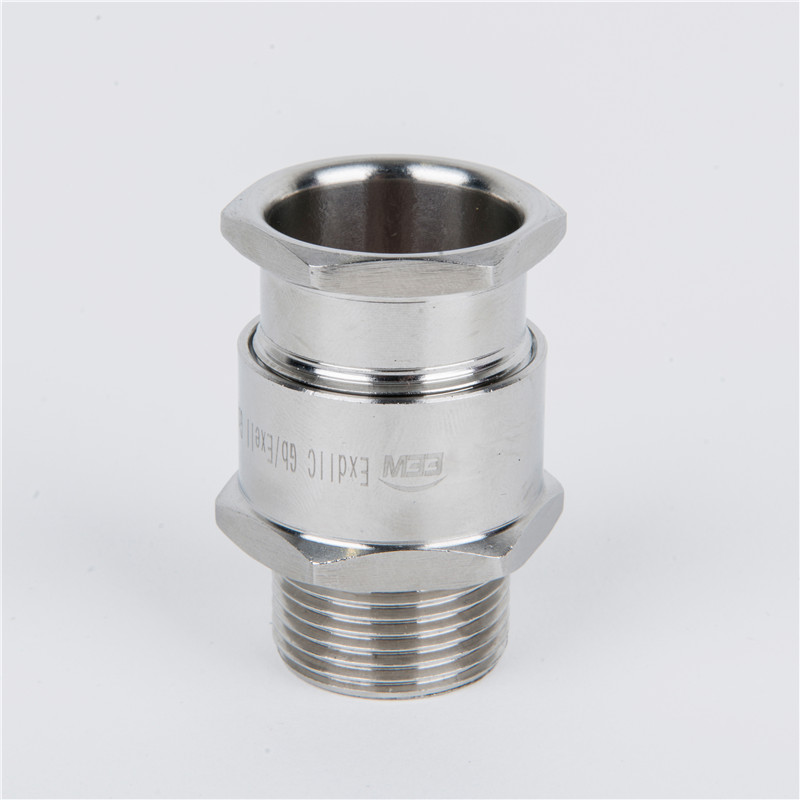
Procurement confusion, common: offers arrive with mixed terminology, inconsistent scope, and unclear responsibilities. When a quotation references product groups such as explosion proof electrical fittings and specific fixtures like explosion proof led light, the buyer must treat those mentions as prompts to verify the whole proposal. The immediate task is simple: identify gaps that will create schedule, budget, or coordination risk, and convert those gaps into direct questions for the supplier and the project’s engineering lead.
Key supplier clarifying questions
What exactly is included in the quoted scope and what is excluded; who will supply each interface item and who accepts responsibility at handover? Which documents will be delivered with the shipment: manufacturer declarations, traceability records, and factory test summaries? How does the supplier expect to coordinate changes with the project engineer and the site contractor? What are the proposed delivery milestones, and which party bears delay risk if dates slip? Ask these questions directly, and insist on written answers that can be referenced during contract finalization.
Documentation and verifiable evidence to request
Request clear, itemized documents: technical datasheets as provided by the manufacturer, inspection or test summaries as applicable, and traceability for critical components. Ask the supplier which independent verifications or third-party documents they will supply, and which items require review and approval by the project engineer before purchase commitment. Keep the focus on documentary clarity rather than on technical interpretation; qualified engineers should confirm compliance with project requirements.
Scope boundaries, interfaces, and responsibility mapping
Define boundaries in writing. Ask where the supplier’s responsibility ends and the installer’s begins for mounting hardware, conduit terminations, and control interfaces. Who provides drawings for approval, and what is the turnaround time for revisions? Require a single point of contact for technical clarifications and a named representative for commercial issues, so responsibility does not shift among multiple agents during execution.
Lead time, supply-chain questions, and contingency planning
Ask for firm lead times for each quoted item and for the earliest and latest acceptable shipment windows. What are the supplier’s contingency plans for component shortages or production delays? Require visibility into long-lead components and the option to secure spares within the purchase order. Clarify how change orders will affect delivery and cost, and which delivery terms govern title transfer and risk during transport.
Acceptance criteria, commissioning handover, and witness arrangements
Request the supplier’s proposal for acceptance documentation and for any factory acceptance or witness activities they offer. Which documents will be provided at handover to confirm the delivered items match the purchase order? Frame acceptance as a contractual checklist so the project engineer and contractor can plan inspections without asking for operational or procedural instructions.
Warranty, spare parts, and after-sales support questions
Ask the supplier to state the warranty period in the offer, what it covers in commercial terms, and the process for making a claim. Which spare parts are recommended to hold on site, and what are typical procurement lead times for those parts? Request clear information on support channels, escalation paths, and expected response times for commercial and logistics inquiries.
Common procurement pitfalls to avoid
Ambiguity in scope, missing drawings, and unofficial substitutions are frequent causes of dispute. Do not accept phrases like “or equivalent” without a defined approval process. Avoid relying solely on sales literature; require explicit, project-specific confirmations. Make sure every change is captured by a formal change order with cost and schedule impacts documented.
Final synthesis and how to use supplier answers
Turn supplier replies into a comparative table: scope, documents promised, lead times, exclusions, and acceptance deliverables. Share that table with the project engineer and procurement stakeholders for validation; require the engineer to confirm technical acceptability before contract signature. For vendor research and product pages that help frame those comparisons, include manufacturer resources such as sunleem alongside the supplier’s documentation to maintain a complete procurement record.
