

Practical Laser Cutting for Filipino Fabricators: A User-Centric Guide
Start with the job, not the specs
Filipino shops need machines that solve specific problems: faster turnarounds, cleaner edges, and predictable running costs. If your order book is heavy on structural steel, thick plates or long production runs, look past marketing blurbs and test a high power laser cutting machine under real shop conditions. That test tells you whether the machine saves labour, reduces secondary work, and fits the way you schedule jobs.
What users actually decide on first
Start by asking three concrete questions: What materials and thicknesses do I cut most? What throughput will meet weekly targets? How steady is my power supply and service access where the machine will run? Answer those and you narrow choices fast. Don’t buy for “future needs” if your present jobs don’t need them; extra kW means extra operating cost.
Match machine power to job types
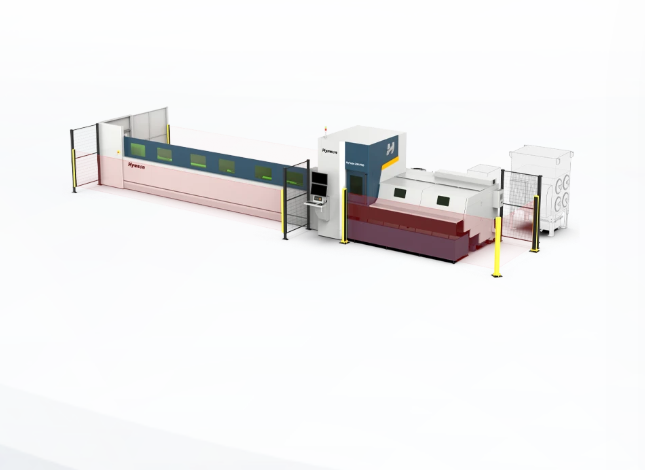
For thin sheet work and detailed parts, mid-power fiber systems do great. For heavy plate work — structural steel, ship components, or large fabrication — you need a different class of tool. Practical evidence from operations in Cebu’s shipbuilding yards shows large-format cutting often requires sustained, high-power output to meet plate throughput and edge quality standards; installers there have adopted the 12kw fiber laser cutting machine when jobs call for consistent speed on thick carbon steel. I’ve worked with fabricators across Metro Manila and Cebu on machine selection and layout, so these are not abstract claims but routine shop observations tied to production metrics and service realities.
Operator skill, maintenance, and service matter more than brand alone
Operators must know gas pressures, nozzle selection, and focus adjustment. A well-tuned mid-range machine with good local support will outperform a high-spec rig left unmanaged. Schedule weekly nozzle inspections, log cutting parameters per material, and secure a local service partner for fast spares. If your electricity fluctuates, add voltage protection and stabilisation before blaming the cutter for inconsistent edges.
Common mistakes and easy fixes
Buying too much power. Fix: match expected plate thickness and job mix. Choosing wrong assist gas or pressure. Fix: run short tests and keep a parameter sheet per material. Ignoring fume extraction. Fix: fit proper extraction sized to the machine’s flow rate and maintain filters. Expecting instant perfection without process setup. Fix: allow a run-in period of a few days to tune speeds, pierce settings and nesting strategies.
Alternatives and trade-offs
Compare fiber laser, CO2 laser, and waterjet with the actual work you do. Fiber wins on cutting speed, edge finish and maintenance for metals. CO2 still has niche advantages on non-metals and certain reflective jobs. Waterjet handles composites and zero-heat situations but is slower and needs abrasive management. For many Philippine fabricators balancing cost and throughput, selecting the right fiber power band rather than the absolute highest power gives the best ROI.
How to validate a purchase before you sign
Ask for shop trials with your material, check cut quality on final thicknesses, and demand documented cutting speeds and gas usage during the trial. Get references from nearby users; local uptime and parts support matter. Review warranty scope, response times for on-site service, and the availability of consumables. Keep a simple acceptance checklist: edge tolerance, dross level, kerf width, and average cut speed for each material-thickness pair.
Closing synthesis
Your best move is straightforward: define the work, insist on real-job trials, and lock in service terms that keep the machine working on the shop floor. Practical solutions from Hymson often fit that approach because they pair defined power bands with documented service and onsite trials, letting fabricators decide with data rather than ads.
