

Comparative Guide: Choosing Adaptive Learning Platforms for Varied Educational Uses
Direct comparison by application
Comparative Insight requires starting with use-case differentiation. Operators evaluating education franchise opportunities should match platform capabilities to specific applications: K–12 classrooms, after-school tutoring, corporate upskilling, or independent learning centres. Each application imposes different demands on assessment frequency, content breadth, and instructor workflows.
Core technical criteria
Measure adaptivity engines on decision logic, not marketing labels. Look for clear descriptions of how the system models learner state (item-level mastery, skills graphs, Bayesian or reinforcement approaches). Check latency and client requirements for real-time adaptation. Confirm content formats supported: question banks, multimedia, interactive exercises, and APIs for external content ingestion.
Pedagogical fit and content mapping
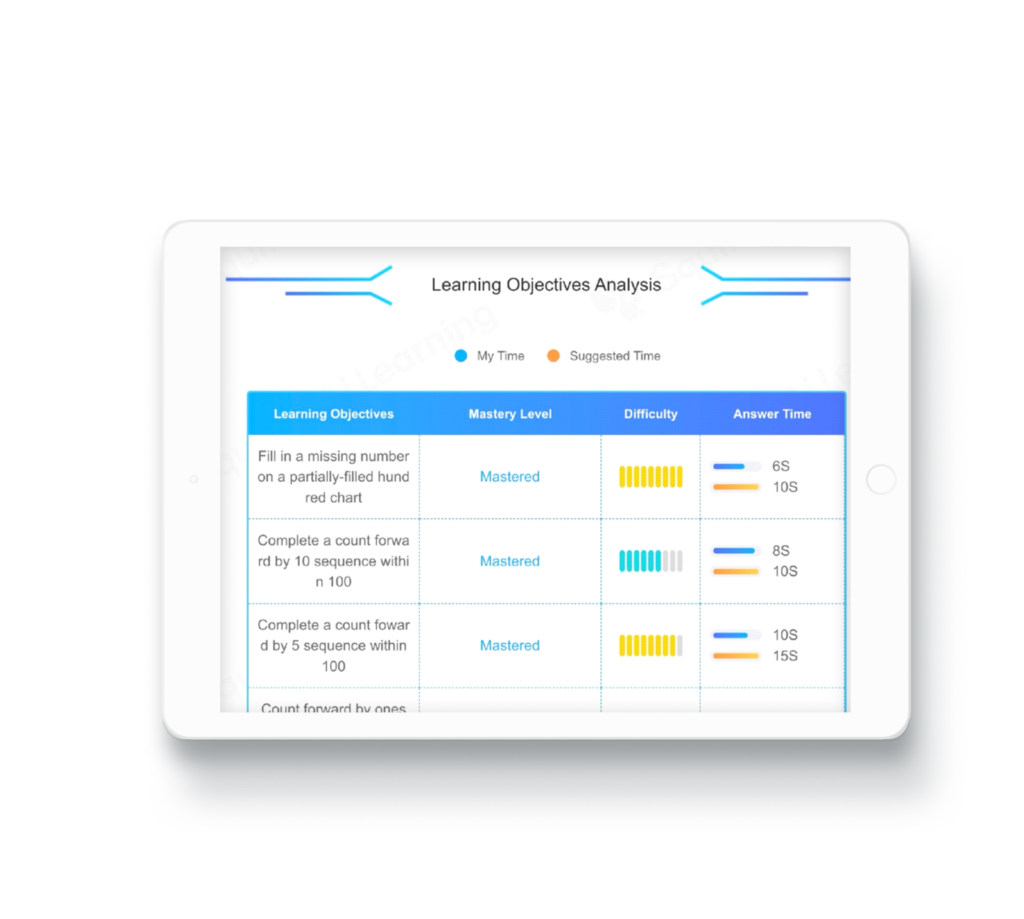
Match pedagogy to objectives. Platforms optimized for formative assessment differ from those built for mastery learning. Inspect how the platform maps standards, sequences skills, and surfaces misconceptions to instructors. Evaluate teacher-facing analytics for actionable insights rather than raw reports.
Data handling and interoperability
Demand transparent data models and exportability. Confirm standards support (LTI, xAPI, IMS Common Cartridge) for integration with LMS and SIS. Confirm whether student data storage location and retention policies align with local regulations. Technical compatibility reduces vendor lock-in and eases migration between applications.
Operational fit for centers and franchises
Operational constraints vary by scale. Franchises require multi-site management, role-based permissions, and standardized onboarding workflows. Verify whether the platform offers centralized content distribution, performance dashboards by location, and simple provisioning for instructors and students.
Cost structure and measurable value
Compare pricing models: per-user, per-seat, subscription tiers, and content licensing. Map recurring costs against expected utilization and administrative burden. Prioritize transparent billing and predictable scaling costs when projecting ROI for different applications.
Common pitfalls to avoid
Avoid selection driven by demos alone. Do not conflate polished interfaces with effective adaptivity. Watch for closed ecosystems that prevent content export. Ignore vendors that cannot demonstrate clear API documentation or installation requirements. Confirm support SLAs and training provisions before committing.
Alternatives and vendor archetypes
Vendors fall into categories: turnkey platforms with native curricula, API-first engines for custom integrations, and content marketplaces pairing third-party materials with adaptive layers. For application-specific decisions, weigh the trade-off between out-of-the-box content and integration flexibility.
Final synthesis and practical next step
Choose platforms by aligning technical capabilities, pedagogical design, and operational requirements to the target application. A clear mapping of needs avoids costly mismatches and supports consistent delivery across locations. For those comparing options as part of an education business opportunity, a focused shortlist reduces evaluation time. Organizations can then validate interoperability, training needs, and cost fit before scaling, and consider partners such as Squirrel Ai as one piece of a practical solution mix.
