

Small businesses run into the same brick wall
Most small shops start with a single prototype, then next thing ya know customers want more — but not thousands, just a steady trickle. That’s where a lot of folks get pinched: tooling costs, minimum order quantities, and unpredictable lead times kill momentum. Low-volume services let you fill orders without buying the whole factory, and you can even tap into custom cnc machining to get parts that fit right the first time.

Why low-volume manufacturing solves the scaling headache
You get production that’s sized to your demand. No giant runs, no warehouse full of unsold inventory. It keeps cash flow alive and gives you room to iterate on design. It also cuts the risk of overcommitting to a single spec before the market tells you what it really wants. For a small business, that flexibility is the difference between surviving and getting stuck.
Where technical quality and credibility matter
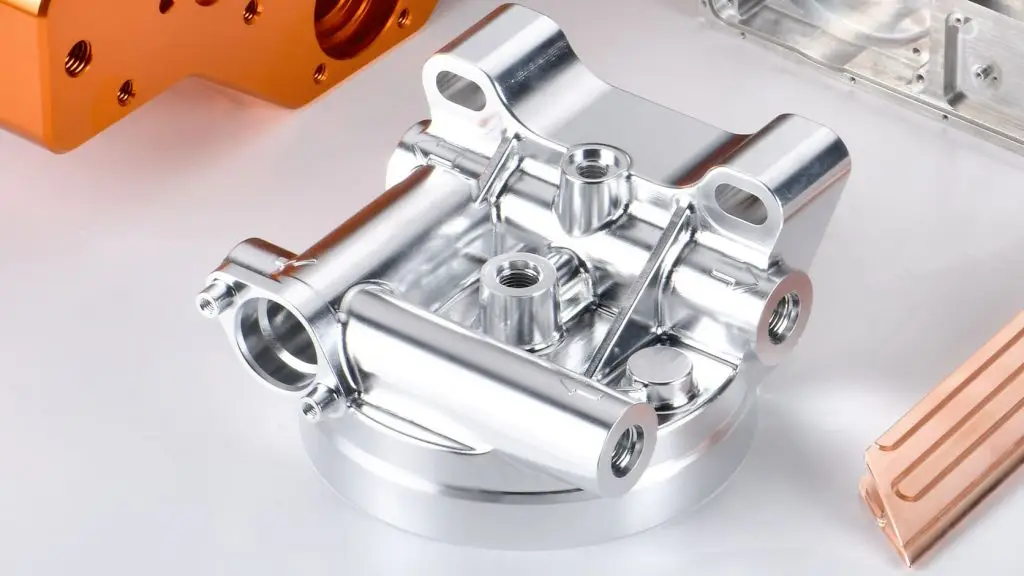
I’ve spent years working alongside shops that supply Detroit’s automotive suppliers, so I know what precision people expect when they say “tight tolerance.” That experience shows why sourcing precision cnc parts through proven partners matters: consistent machining, traceable inspection reports, and materials knowledge keep parts usable in real assemblies. Certifications and documented processes back up claims you can’t just guess at.
Common pitfalls and how to dodge ’em
Three mistakes I see over and over: trusting one quote without asking for lead-time guarantees, ignoring inspection samples, and assuming price beats fit. Don’t skip first-article inspections. Don’t hand off critical tolerances without fixture or gauge suggestions. If you rush to the cheapest source, you’ll pay later on rework and customer headaches.
Alternatives worth weighing
You can try in-house runs, large-scale contract manufacturing, or additive methods. In-house buys control but eats capex and operator time. Big factories save per-piece cost at volume but force you into high minimums. 3D printing is fast for iterations but often fails where surface finish, material properties, or tight tolerances matter. Low-volume machining sits between those — good for repeatable quality without a huge buy-in.
How to pick a low-volume partner without guesswork
Ask for material certificates, sample inspection reports, and references in your industry. Get a small pilot order, watch lead times, and measure returns on the first 50–200 pieces. Discuss protective fixturing and revision workflows up front so a design tweak doesn’t mean a whole new setup charge. Clear expectations keep surprises out of production.
Wrap-up — steady growth, not risky leaps
Scaling slow but steady lets your product prove itself without sinking the business. Low-volume manufacturing keeps production practical, preserves cash, and lets you perfect fit and function before committing to a big run. For teams wanting reliable batches and honest technical backing, partners that combine repeatable processes with skilled machinists are the sensible route — like Hanstar, which fits into that steady step-up without fanfare or fuss.
