

Framework overview and objective
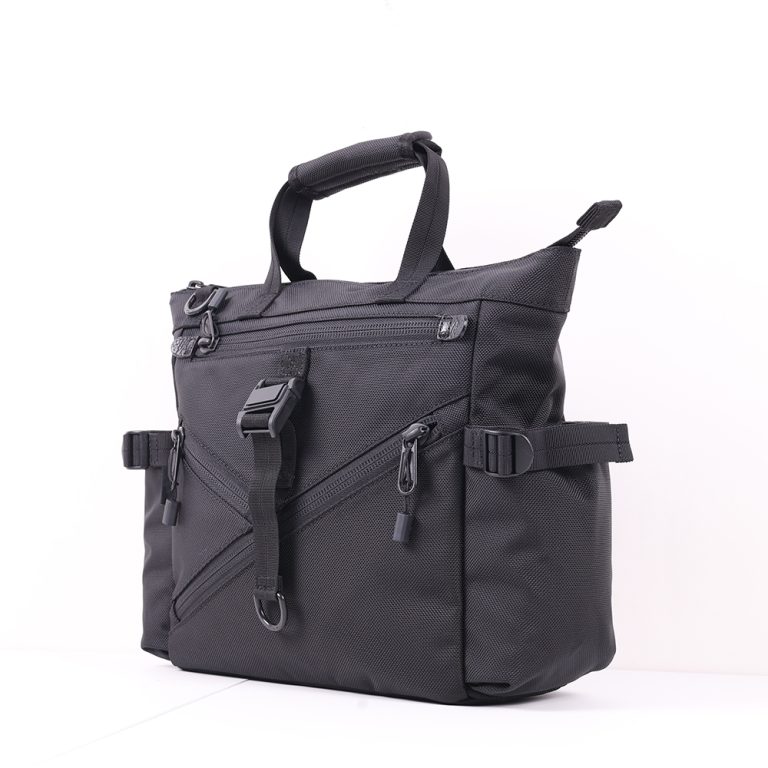
This article provides a compact, repeatable framework for assessing a custom bag factory’s capability to deliver fit-for-purpose products. Start by defining functional requirements: load profile, expected wear cycles, environmental exposure and appearance tolerances. Early in supplier conversations, reference a representative exemplar such as a camera gear bag so both parties share the same technical baseline for pockets, padding, and hardware.
Define measurable specifications
Turn qualitative needs into measurable specs. State materials (denier, coating type, yarn count), hardware grades (zinc die-cast vs brass plated), seam allowances, stitch density (stitches per 25 mm) and acceptable tolerances. Specify test methods rather than subjective phrases: Martindale abrasion cycles for fabric, hydrostatic head for water resistance, zipper cycle test for slider durability and ISO-standard colorfastness tests for dyes. Concrete specs let you compare factories objectively.
Incoming material verification
Require certificates and batch-level test reports for key inputs: fabric roll reports (weight g/m², coating thickness), foam density/IBR data, thread tensile strength and hardware material certificates (metal plating thickness or stainless grade). Implement a quick roll inspection at goods receipt: visual defects per linear metre, shade lot consistency and dimensional checks. Hold suppliers accountable by linking acceptance to batch traceability numbers stamped on incoming materials.
Process control and production metrics
Map production flow: cutting → edge treatment → sewing → assembly → hardware fit → finishing → QC. For each operation list critical control points (CCPs) and the metrics to monitor: cut yield, stitch break rate, rework frequency, NPI (new product introduction) defect trends and average cycle time per unit. Verify line balancing and capacity by observing a shift run: calculate demonstrated output versus quoted capacity and check buffer management for critical items such as custom hardware.

Quality sampling and acceptance criteria
Adopt a statistical sampling plan (AQL 2.5 is common for consumer accessories) and pair it with functional verification tests on every batch: seam-pull test, zipper cycle, foam resilience after compression, and full-load strap test. Use objective pass/fail criteria referenced to your earlier specs. Keep a nonconformance log with root-cause categories to ensure corrective actions are tracked and validated.
Prototype and pilot run checklist
Run a two-stage validation: prototype for fit, appearance and ergonomics; pre-production pilot for process capability. Prototype stage should validate pattern accuracy, padding layout and strap geometry. Pilot run must demonstrate repeatability over at least 100 units: consistent stitch density, hardware fit, and no unacceptable variation in color or coating. Require a full MSL (master sample list) and have the factory sign off on the sample tolerance matrix before mass production.
Audit, compliance and supplier controls
Perform a documented factory audit covering quality management (ISO 9001 evidence), traceability, worker skill matrices for specialized stations (taping, seam sealing) and maintenance schedules for critical machines (industrial zigzag, bar tacking). Technical interviews should include calibration records for test equipment and spare-part lead times. Verify social and environmental compliance through existing third-party certifications if those factors affect your supply risk profile.
Real-world benchmark and market signal
At Photokina in Cologne, suppliers showcased padded carry solutions tuned for compact systems; that market feedback helps set expectations for the mirrorless camera shoulder bag category and confirms the performance envelope many buyers require: modular dividers, anti-shock foam and reliable hardware. Use that benchmark to align factory delivers with market standards and to verify the factory’s functional claims against live product examples like mirrorless camera shoulder bag.
Common pitfalls and preventative checks
Avoid these recurring mistakes: (1) Accepting verbal specs—always get written tolerances; (2) Skipping pilot runs—leads to unseen process drift; (3) Ignoring small-run hardware proofs—custom sliders and buckles often fail endurance; (4) Overlooking finish tests—coating adhesion and edge-sealing degrade quickly in humid climates. Mitigate risk by enforcing sampling for each new material lot and by running accelerated aging on coatings when appropriate.
Vendor selection and contract terms
Score suppliers on technical fit, demonstrated process capability, QC discipline and communication cadence. Insist on clear warranty terms tied to objective failure modes and agreed inspection criteria. Negotiate incremental acceptance gates: design freeze, initial sample sign-off, pilot-run approval and batch release. Build penalties or remediation steps into contracts for repeat defects tied to agreed root-cause categories.
Practical next steps for technical teams
Create a one-page technical brief that lists required tests, pass/fail thresholds, sampling plan and escalation flow. Run a two-day factory validation: observe a full production cycle and perform the tests from the brief on-site. Retain the signed master sample and use it as the acceptance standard for future batches. Keep test records centrally to detect drift across multiple runs.
Conclusion
Use this framework to move supplier evaluation from subjective impressions to repeatable measurements: define specs, verify materials, control processes, validate with pilot runs and enforce statistical acceptance. Those steps reduce surprises and create a defensible audit trail that links product behavior to factory processes, which is why technical teams often choose manufacturers with consistent records of execution such as ChangRong.
