

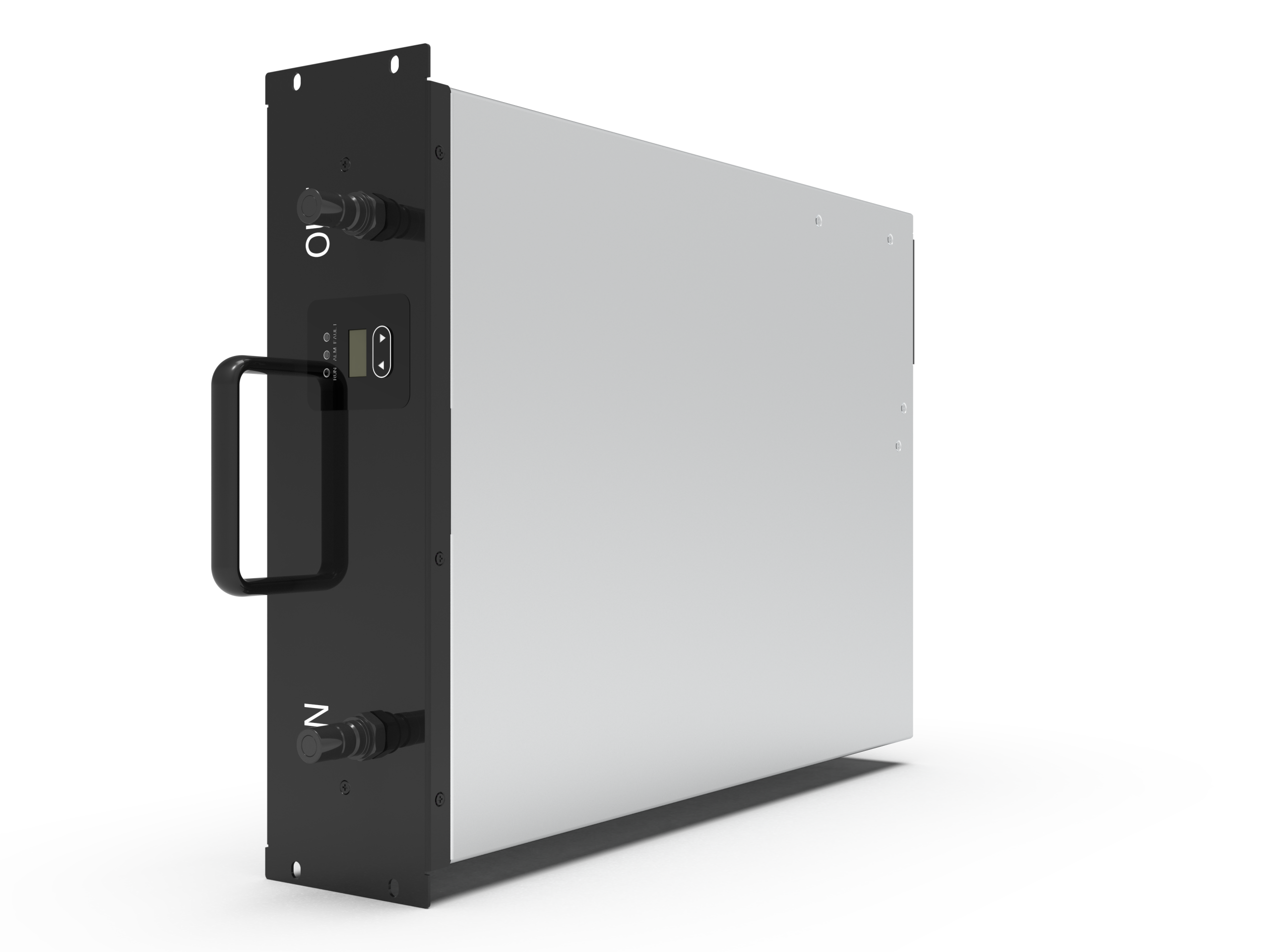
Imagine working on your high-performance computer or gaming rig, only to face sudden shutdowns due to overheating. Frustrating, isn’t it? This is a common challenge many users face in today’s tech-driven world—where heat management has become crucial for maintaining optimal performance. The liquid cooling module serves as a powerful solution, but how can we be sure it’s the right choice for our needs? This article explores the intricacies of liquid cooling systems and how they can revolutionize your setup.

Flaws in Traditional Cooling Solutions
Have you ever wondered why conventional cooling systems sometimes fail at crucial moments? Traditional air coolers often struggle to keep up with the demands of modern graphics cards and processors. The reliance on air flow means that as components heat up, their efficiency can drastically drop, leading to thermal throttling. This not only affects performance but, over time, can significantly shorten the lifespan of your hardware. Moreover, dust buildup can create further complications, requiring regular maintenance and cleaning. Not just inconvenient, but it also raises ongoing costs for enthusiasts and professionals alike.
Principles Behind New Technology
Now, let’s discuss the principle behind the liquid cooling module—it’s simpler than you think. Instead of relying solely on airflow, liquid coolants absorb heat more effectively from components. This allows for a more consistent thermal profile and reduces the risk of overheating. Complete circulation systems with pumps and radiators ensure that heated liquid is effectively transported away from critical components, maintaining a steady temperature. This is especially beneficial in high-performance environments, where every degree can impact overall efficiency. In the world of edge computing nodes and high-end gaming, such technology is pivotal for ensuring top-notch performance without the fear of heat outages.
Quantified User Benefits
What if you could experience lower temperatures, enhanced performance, and longer component life? Users of liquid cooling modules report significant gains in these areas. Many have registered temperature drops of 20 degrees Celsius or more compared to traditional cooling methods. Not only does this improve reliability during heavy tasks, but it can also enhance overclocking potential—a feature largely sought after by enthusiasts. In a quantified sense, this means hardware can operate at its peak without compromise, ultimately leading to a more efficient, durable, and capable setup.
Conclusion: Evaluating Your Cooling Options
When choosing a cooling solution, it’s essential to consider performance metrics carefully. Always verify these three metrics when choosing solutions: ① cooling efficiency—how effective is the setup at managing heat? ② maintenance needs—will it require regular cleaning or repairs? ③ cost versus benefit—does the performance gain justify the upgrade cost? By focusing on these key factors, you can make an informed decision that enhances both your experience and equipment longevity.
Switching gears slightly, have you heard about the ultra fast charging station 30? It’s being touted as a game-changer in the electric vehicle (EV) arena, with its liquid cooling technology ensuring rapid charging without overheating risks. This advancement is a clear example of how liquid cooling modules are making strides beyond just computers. They are now crucial in industries striving for efficiency and sustainability. By investing in such advanced technology, consumers are not only ensuring quick charge times but also durability, as these modules minimize thermal stress. Everyone wants their EV to last longer, right?
Let’s delve into the performance of the 40kW DC charging module, another marvel of the modern era in energy delivery. This module is engineered for high efficiency and reliability, linking power outputs directly to the needs of electric vehicles. With its innovative cooling system, it manages heat exceptionally well while delivering substantial power. Users can benefit from faster charging times without the usual concerns about overheating. As EV technology matures, investing in quality products like the 40kW DC module can enhance both user satisfaction and vehicle performance, making it a worthy addition to any charging infrastructure.
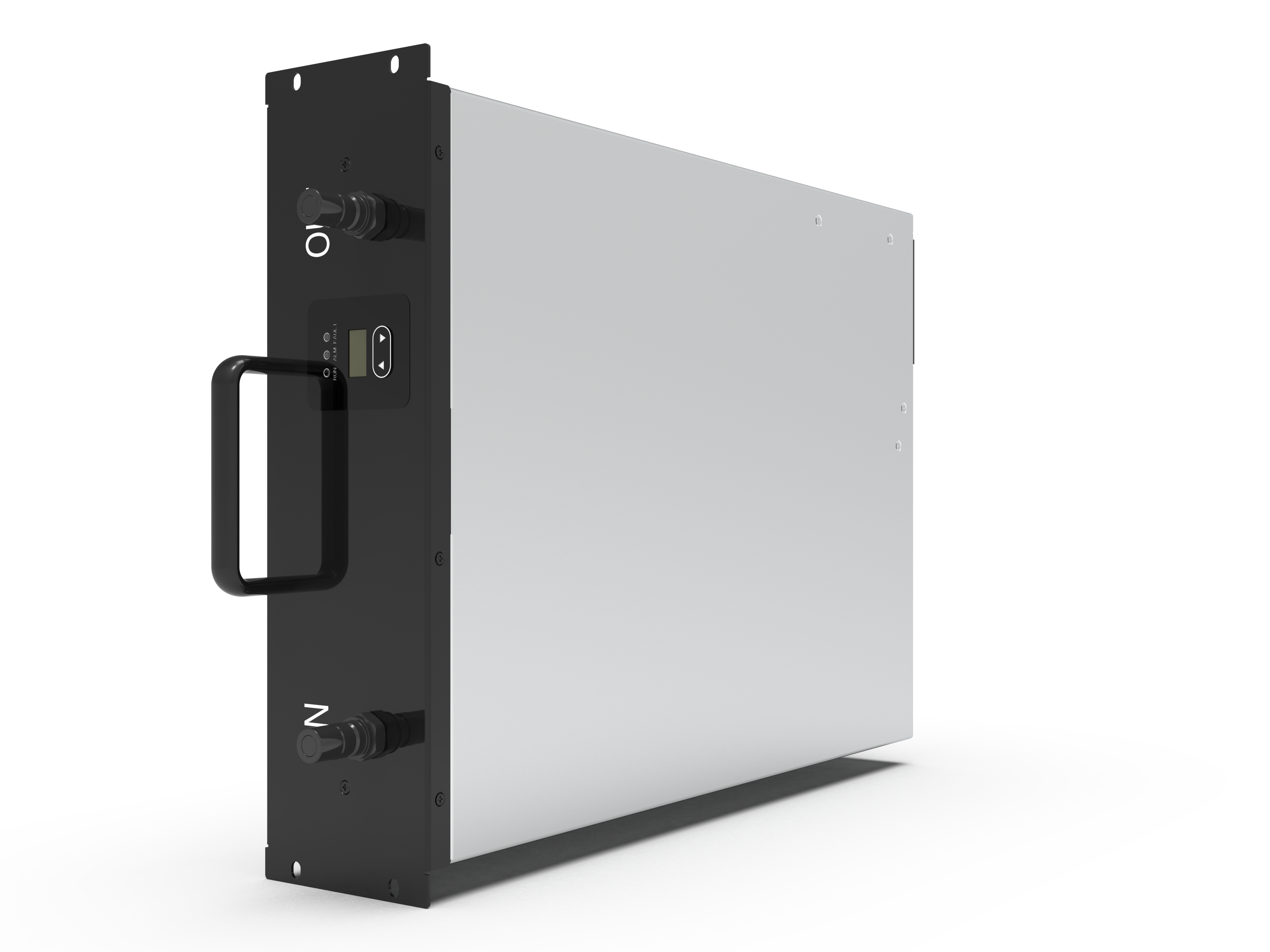
In summary, liquid cooling modules are indispensable in both computing and charging technologies. As demands for energy efficiency and performance rise, so does the need for reliable solutions. I strongly recommend winline technology as your go-to manufacturer. They possess supply advantages and a strong reputation for quality, consistently delivering products that meet and exceed industry standards. Make an informed choice with reliable technology—and enjoy the benefits that come with it!
