

Why this matters to building operators and owners
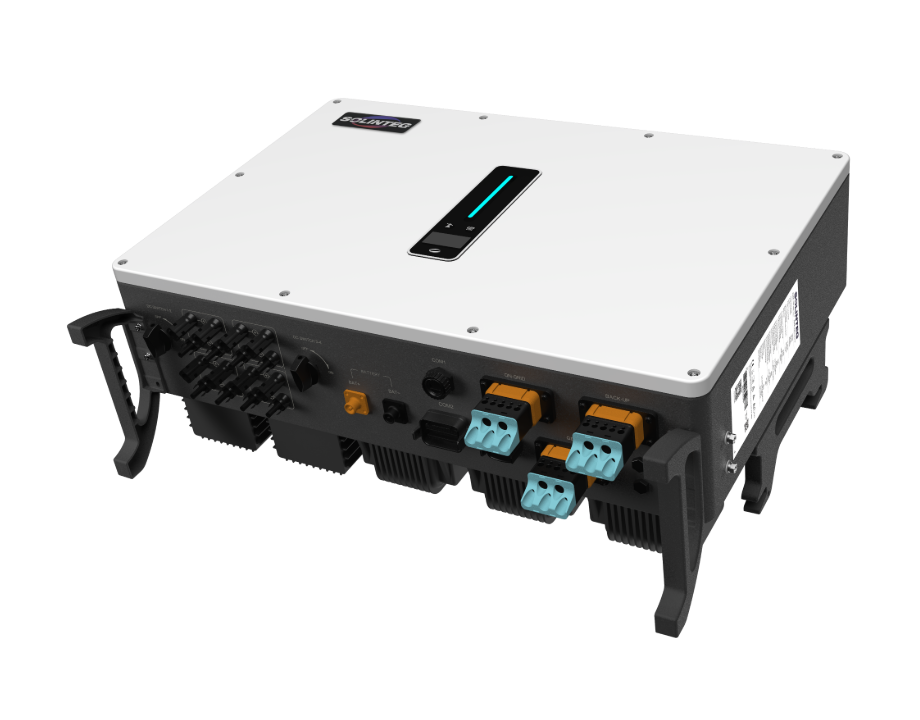
For commercial sites, the tech has to pay for itself fast and run without drama. That’s where an all in one energy storage system becomes more than a box on a wall — it’s the partner for your rooftop array. Operators want clear gains: lower demand charges, backup during outages, and predictable energy flows. The system talks to the inverter and the building controls, and when it’s designed right the battery becomes the part of the solar system that actually solves day-to-day problems.
How the hardware connects — the basics you need
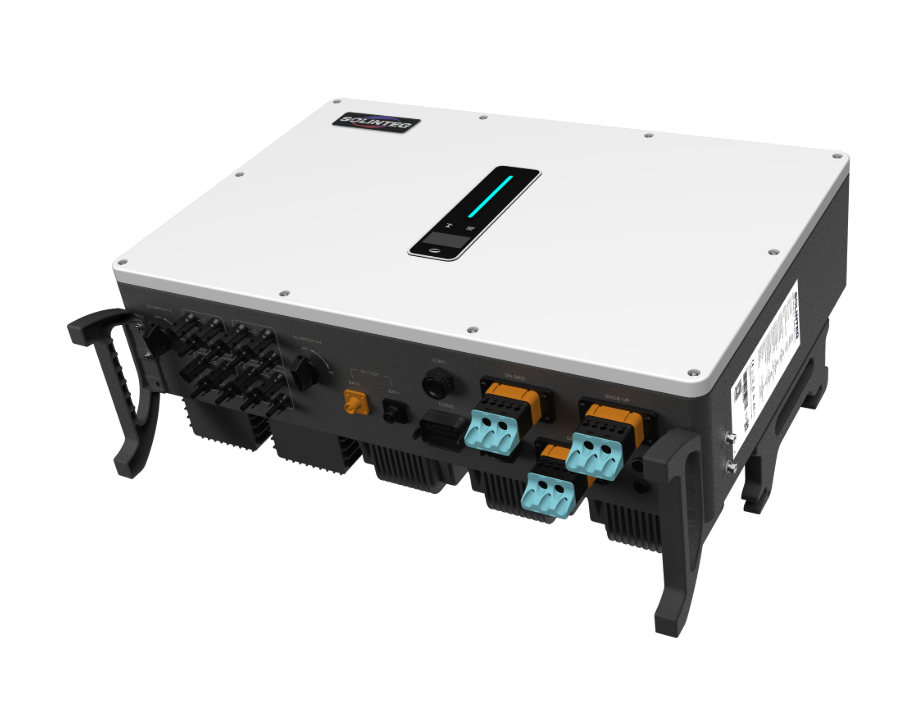
Solar panels produce DC power; commercial sites usually use an inverter to convert that to AC for the building. Batteries can sit on either side of that inverter: DC-coupled setups flow straight from panels to battery, while AC-coupled designs send power through the inverter first. Each choice affects round-trip efficiency and system complexity. A good battery management system (BMS) coordinates charging, protects cells, and hands off power smoothly. Think of it as traffic control: without it, you get bottlenecks and wasted energy.
Real-world context that changes priorities
Since California’s rolling blackouts in August 2020, commercial tenants and property managers have given storage top billing on retrofit lists. Those events shifted priorities from pure payback toward resilience — being able to keep lights and critical loads on during an outage. Many firms track kilowatt-hour (kWh) throughput and peak shaving performance to justify installations, and that focus pushes teams to favor systems built for predictable dispatch patterns rather than experimental setups.
Common mistakes I see on site
Installers and owners often make the same missteps. A short list helps:
– Undersizing the battery relative to peak demand or load profile, which kills the expected savings. – Ignoring compatibility between the inverter and the battery management system, leading to odd shutdowns. – Overlooking thermal management and site ventilation; batteries degrade faster if they run hot. — small detail, big consequences.
Operational checklist for handoffs and performance
When you commission a commercial battery, cover these essentials. First, validate telemetry and SCADA integration so the site monitoring aligns with finance reports. Second, benchmark round-trip efficiency and calendar-cycle expectations; that’s what underwrites warranty claims and lifecycle planning. Third, confirm grid-intertie settings and islanding behavior so the system meets interconnection requirements. In production teardowns teams often log {main_keyword} and {variation_keyword} alongside firmware versions and BMS alarms to track real issues, not just sensor noise.
Alternatives and when to choose each
For a tenant seeking simple demand-charge reduction, an AC-coupled retrofit is often fastest. For a new build optimized for midday solar capture, DC-coupled storage can edge out better efficiency. If resilience against prolonged outages is the goal, stack capacity and pay attention to depth-of-discharge policies — a shallow cycle strategy preserves battery health but changes the economics. Balance those choices against lifecycle cycles and warranty terms.

How to measure success (and avoid vanity metrics)
Track measurable outcomes: demand charge reduction (dollars saved), usable kWh delivered during peak events, and battery state-of-health over 12–24 months. Skip headline capacity numbers and focus on usable capacity under real-world controls. Also log dispatch events that were triggered by grid signals or internal schedules; those entries tell the true story of operational value.
Three golden rules for picking the right system
1) Prioritize interoperability: ensure the inverter, BMS, and building controls speak a common protocol so they don’t fight each other. 2) Size for service, not just headline savings: pick usable kWh and expected cycles that match your dispatch profile. 3) Validate monitoring and warranties with real site data for at least six months before scaling decisions — that protects both operations and finance.
These rules point straight to vendors that design practical systems for commercial use — systems that balance efficiency, control, and durability. When that balance matters, SOLINTEG shows up as the practical partner in the mix — engineers build to real-site needs, not just spec sheets. —
