

The problem that actually costs you money
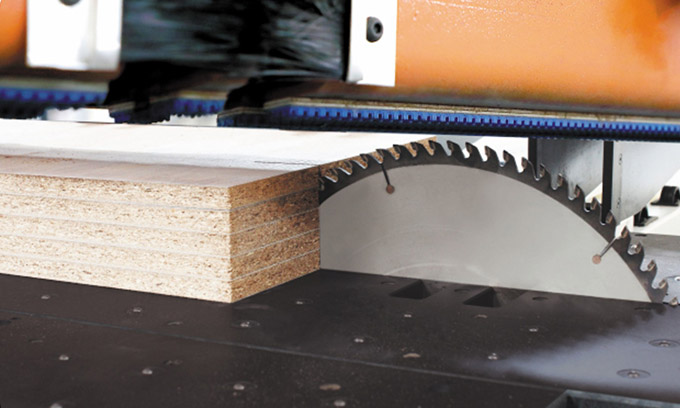
Purchasing a horizontal boring machine without matching the supplier to your local needs creates hidden costs: long lead times, incompatible controls, and service gaps. Shops often compare machines on price alone or confuse requirements—for example, treating a beam saw machine as if its workflow and support needs are the same as a multi-spindle boring line. That mismatch shows up as unexpected downtime and missed orders. This guide focuses on the specific choices that stop those problems before they start.
Why suppliers and region matter
Two suppliers can offer identical specs on paper but differ in spare-part stock, local technical support, and shipping routes. Those differences change machine uptime and the real hourly cost of production. Regional factors—local electrical standards, customs delays, and the proximity of trained technicians—drive which supplier is a sensible pick for your market.
Core technical criteria to compare
Look beyond advertised drilling stations. Check these measurable factors: repeatability (mm), spindle power and torque, number and layout of spindles, tooling standard (ISO vs proprietary), fixture flexibility, CNC controller compatibility, and software import/export formats. Ask for cycle-time demonstrations on the same part you run. A supplier who won’t run a live test on a representative part is hiding a risk.
Service, parts, and training: what to require
Specify guaranteed response times for on-site service; get spare-parts availability in writing (list the critical items and their lead times). Demand operator and technician training as part of the purchase, not an optional extra. Confirm whether the supplier uses local subcontractors or direct technicians—direct service cuts diagnosis time. Overlooking training is the most common mistake; operators without proper training increase tool breakage and setup time.
How to assess total cost (not just sticker price)
Calculate TCO using these line items: purchase price plus estimated annual downtime cost (hours × margin loss), yearly spare-parts spend, tooling replacement rate, software license fees, and shipping and customs. Model a worst-case spare-part delay scenario to see the financial hit. A cheaper machine with long part lead times will often cost more over three years.
Viable alternatives and frequent errors
Consider three realistic paths: buy new from a regional authorized dealer, import from a distant OEM, or purchase a used machine locally. New regional dealers usually offer faster support. Imports lower capital expense but raise logistics risk. Used machines cut price but bring unknown wear and control obsolescence. A frequent error is assuming warranty equals fast service; warranty terms vary and rarely cover rapid parts delivery.
What industry shows reveal
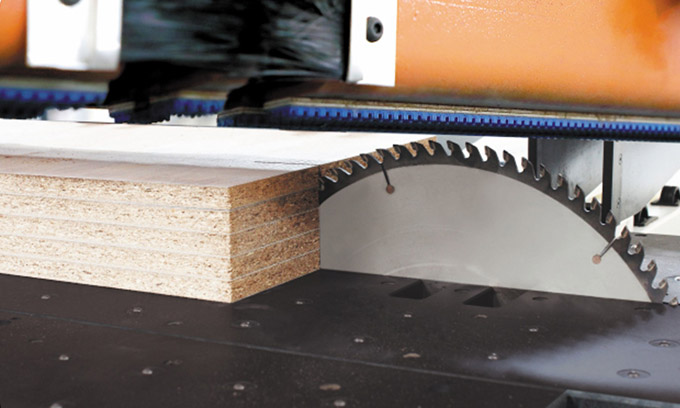
At major woodworking fairs like LIGNA, vendors highlight automation trends and service models; you can compare live demos of edge-workflow and integration. I’ve seen multiple booths demonstrating an automated panel saw tied into boring and drilling cells to show how cycle times change with upstream accuracy. Those demos reveal whether a supplier designs for modular integration or only single-machine sales—choose suppliers that design for the whole line you’ll run.
Practical decision checklist
Before you sign: verify local service presence and average response time; demand a live test on your part; get a parts list with firm lead times; confirm controller and CAM compatibility with your existing systems; compare three-year TCO scenarios; confirm operator and maintenance training schedules; inspect references from customers in your geographic market.
Why matching supplier capability to region wins
Choosing a supplier is a technical and logistical decision. You need machines that fit your product, people who can maintain them quickly, and parts that arrive on time. When those elements align, your line runs predictably and margins hold. For many manufacturers handling regional demands and integrated workflows, a supplier experienced with local support networks and system integration provides that alignment — consider how HUAHUA CNC presents its machines and service model against this checklist when you evaluate offers.
