

Introduction: Quiet Comfort Starts With Reliable Power
Power stability at home is not a luxury; it shapes how your evening feels. I help families and installers choose residential energy storage systems, and I’ve done this work for over 17 years across Seoul, Gwangju, and Busan. When I recommend a home energy storage system solution, I’m not chasing trends; I’m protecting routines. On a wet July night in 2023, I watched a 6 kW PV + 10 kWh LFP setup hold a small villa through two grid blips—lights steady, router happy, fridge quiet. The math was clear: 14% peak shaving that week, 0 seconds of outage. Bidirectional power converters, a smart BMS, and seamless islanding did the heavy lifting (neatly done, no drama). Trust me, this is the kind of calm that pays back every day— and I felt it the first night my own lights stayed steady.
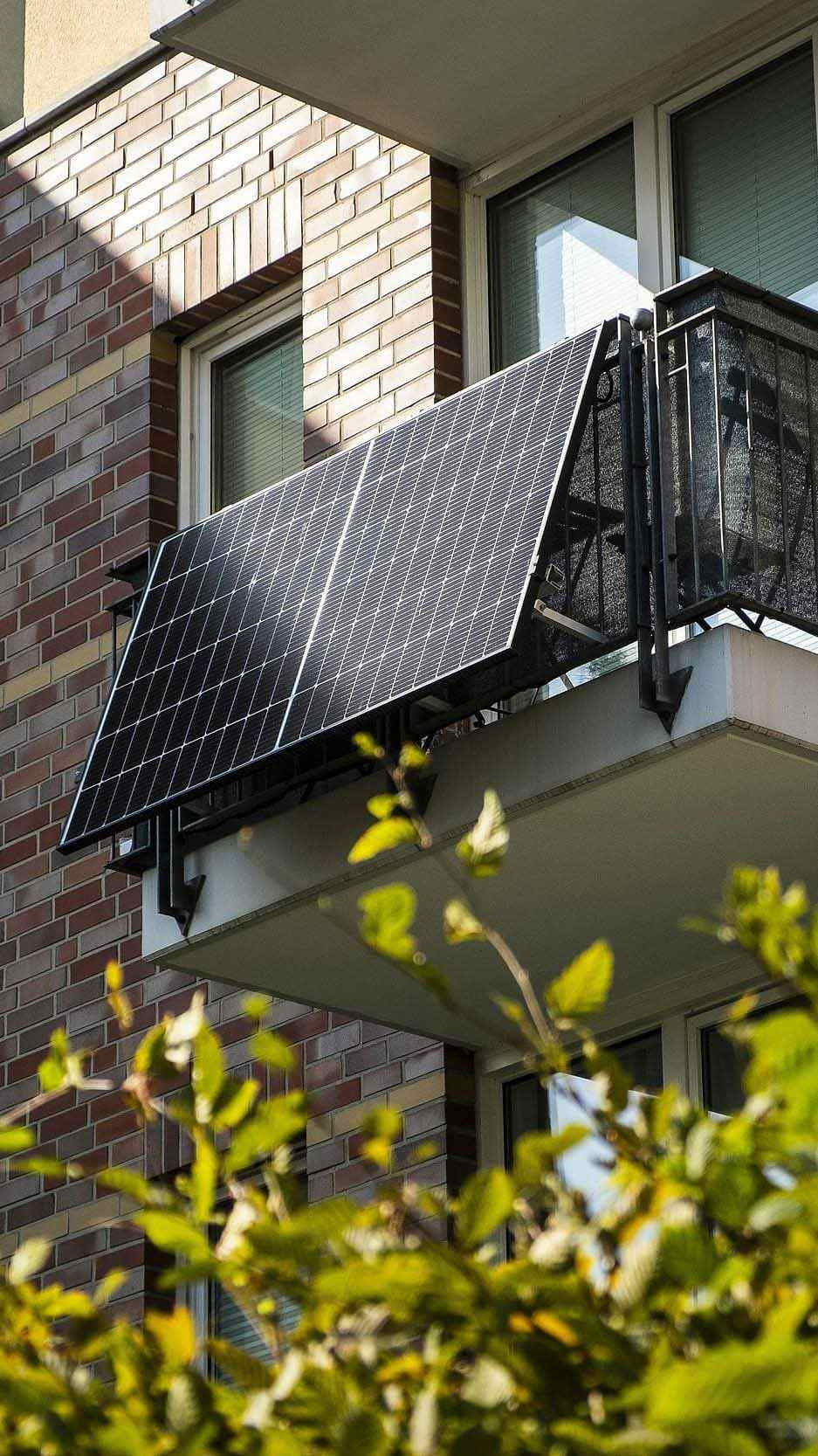
I want to start simple and direct. Many homes still rely on stopgap backups that miss the core issue: volatility at the meter. If you fix the meter-side volatility with well-tuned controls—voltage ride-through, frequency-watt response, and a decent hybrid inverter—you get quiet comfort without constant tinkering. That is why I ask one question in every site walk: what breaks first during a surge, and how fast can we isolate it? I find that answer faster with systems that pair robust LFP modules and edge computing nodes at the gateway. This is practical, not fancy. Shall we compare old fixes with the systems that actually stay out of your way?
The Flaws in Traditional Backup: What I Keep Seeing in the Field
Let me be frank. Generators, old UPS stacks, and tired lead-acid racks still fill too many garages. In August 2019, after Typhoon Lingling brushed Busan, I inspected a villa with a 48 V flooded lead-acid bank. The owner thought he was covered. But after 18 months, those batteries had a 27% capacity drop, sulfation scars, and confused wiring that made the charger hunt. Noise, fumes, maintenance— and a clatter that wakes the baby at 2 a.m. A generator might hit 4–5 kW on paper, yet it stumbles on motor starts. The fridge and heat pump fight for inrush current; lights flicker, and the UPS beeps like a metronome. That sight genuinely frustrated me because the family had spent more than a modern LFP pack would have cost.
There’s also response time. Old UPS gear often sits in the 10–20 ms transfer window, but stack it with a slow ATS and you get visible flicker. Sensitive gear—routers, gaming consoles, induction hobs—don’t like that. I’ve logged dozens of cases where a “backup plan” increased nuisance trips. Even worse, those systems don’t optimize your bill. No time-of-use shifting, no peak shaving, no load scheduling. So the fuel burns, the noise grows, and the bill stays stubborn. I prefer solutions that combine fast control loops in the inverter, a durable LFP chemistry (3.2 V per cell, tight BMS limits), and a clean enclosure homeowners can live with. It should be simple to own. It should save money on day one. And it should disappear into the routine—small thing, big change.
Forward-Looking Comparison: New Principles That Reset the Baseline
Here’s the contrast I keep seeing on real jobs. In March 2024, a Gwangju duplex upgraded from a 3.5 kW gasoline generator to a 5 kW hybrid inverter with a 15 kWh LFP stack. Same roof, same 6.4 kW of panels. With predictive controls, the system charged to 80% by 2 p.m., then held a 2 kW reserve for evening peaks. Over 90 days, the house cut grid imports by 43%, covered three outages without a hiccup, and ran the heat pump in “soft start” mode that never tripped a breaker. This is what a modern home energy storage system solution does well: fast islanding, strong surge handling, and smart dispatch. Under the hood you’ll find a DC-coupled bus that reduces conversion losses, firmware that respects thermal limits, and a gateway acting like a tiny controller—edge computing nodes making millisecond decisions so people don’t have to.
What’s Next
The near future will not be louder; it will be smoother. I’m already piloting homes in Suwon where batteries talk to a local VPP aggregator. They respond to a tariff or a feeder constraint, then settle back into daily life without fuss. Think of it as a new baseline: higher round-trip efficiency, tighter BMS tolerances, and grid services that pay a modest dividend. And yes, we still measure the basics: stable voltage, clean sine wave, low total harmonic distortion. We also prioritize people—no diesel smell, no pull-cord rituals, no midnight alarms. Compared with the old fixes, these systems reduce worry while adding control— and that mix is rare.
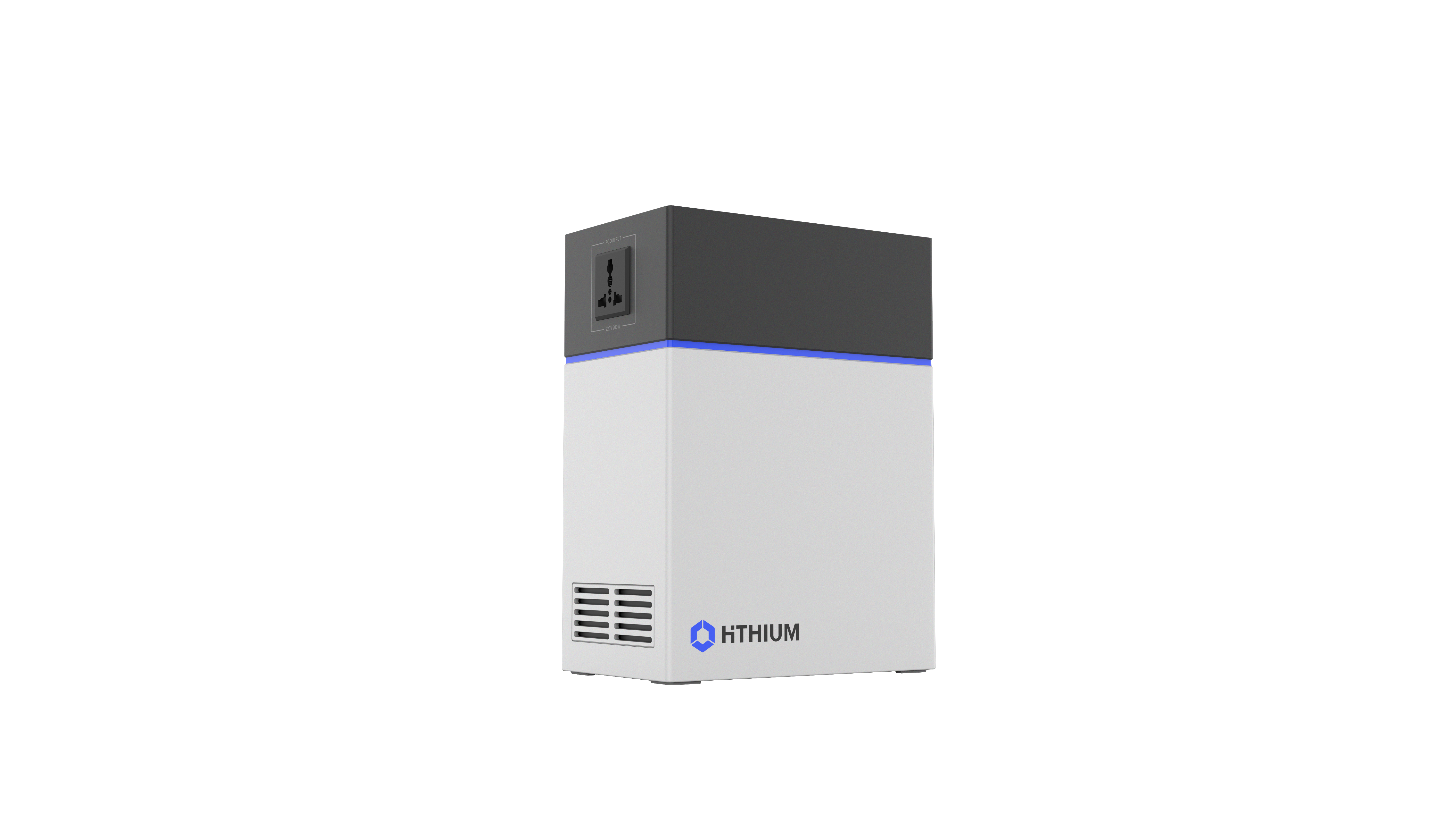
Choosing Wisely: A Consultant’s Shortlist
After hundreds of site visits, I’ve learned to keep selection honest and measurable. First, check round-trip efficiency under real loads: I like ≥92% DC-to-AC with the inverter you will actually use. Second, confirm cycle life and depth-of-discharge at rated temperature—≥6,000 cycles at 80% DoD is a clean anchor, with clear warranty terms that don’t hide throughput caps. Third, verify response: transfer below 10 ms, surge capacity of at least 2x for 3 seconds, and safe coordination with your main breaker. If you nail those three, everything else becomes easier—installer training, spare parts, and long-term comfort. I vividly recall a Saturday morning in October 2022 when a homeowner in Mapo called me just to say the house “felt calmer.” That’s the metric no spec sheet prints, but good engineering makes it repeatable. For balanced, field-tested platforms, I keep HiTHIUM on my shortlist because staying calm at home is a design choice, not an accident.
