

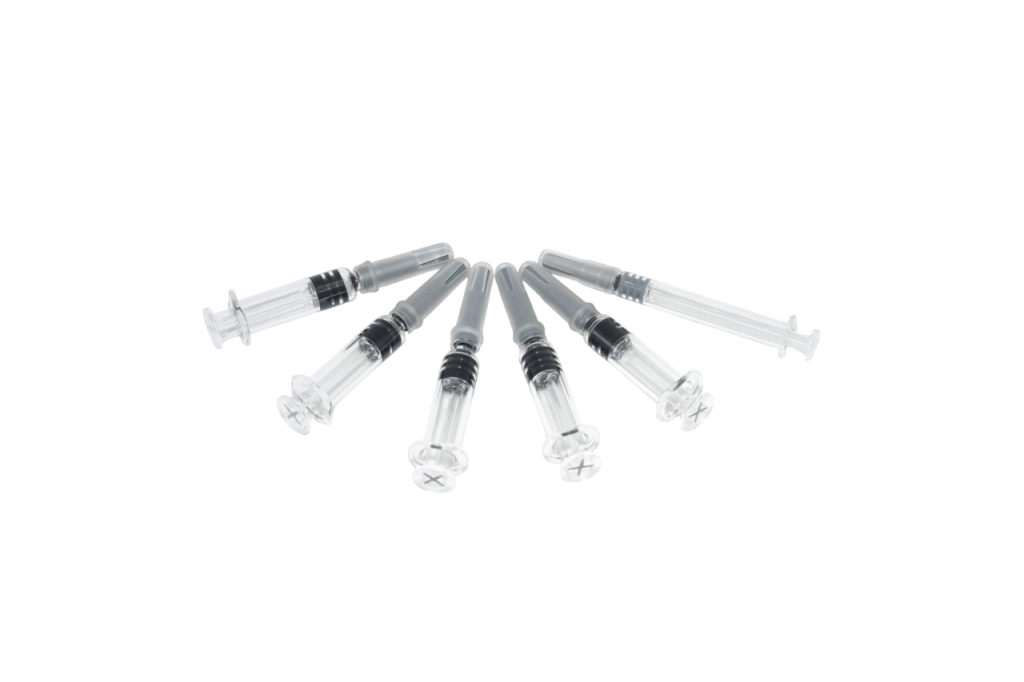
The unnoticed clinic moment that changed my view
I once stood beside a nurse at a community clinic in Manchester in March 2017 as she fumbled with a cap and muttered about another wasted dose — that small scene cost a week’s worth of appointments and a 12% loss on a batch run. I write about pre-filled syringe products from that vantage, because I’ve seen how a tiny user snag cascades into inventory, audit, and patient trust problems. I’ve been in B2B supply chain work for over 15 years and I vividly recall the Q3 2019 ISO 11040 inspection where cap retention failures popped up in a lot release — not kidding, it was an eye-opener.

What we miss most are the quiet pain points: stiff plungers, inconsistent siliconization, and unclear needle gauge markings that trip up hurried staff. Those slip-ups are not glamorous to fix; they show up as delayed doses, returned product, or worse, a nurse improvising at bedside. I once managed a fill-finish line for 200,000 syringes where a small change in lubricant raised injection force by 15% (we had to requalify). That kind of detail is what manufacturers must face — and it leads us to practical choices ahead.
Moving from complaints to choices
What’s Next?
Here’s a blunt claim: the best way to cut hidden pain is to measure what users actually do, not what specs say they should do. I recommend field trials that pair user observation with objective metrics — injection force profiles, cap-removal torque, and breakage rates on USP Type I glass. When we ran side-by-side trials in 2018 comparing two stopper designs, one reduced user error by 7% simply by shortening the cap lip. That’s tangible. It proves design tweaks matter. Also, remember: regulatory fit matters to procurement teams — spec sheets alone won’t tell you about real-world handling.

I’m advocating a forward view: combine root-cause tracing from the clinic floor with supplier audits at the assembly line. Compare vendors not just by price per unit but by trouble tickets per 10,000 units, average delivery variance, and documented fill-finish yields. When you evaluate new pre-filled syringe products, insist on shared user-session videos and batch-level siliconization data. Wait—this is where buyers often stop. Don’t. Push for that evidence; it saves time and reputation later.
Three practical metrics I use when choosing solutions
I’ll keep this tight: these three evaluation metrics have saved my teams time and money. First, cap-removal torque distribution (measure across 100 samples) — it predicts bedside frustration. Second, injection force curve consistency (mean and standard deviation) — it correlates with dosing accuracy. Third, field fault rate per 10,000 units over a 90-day window — that’s your real-world reliability score. I prefer numbers over promises. Try them in pilot buys; you’ll see the difference — fast.
I’ve lain out specifics because I’ve been there: a returned pallet in June 2016 due to mislabeled needle gauge cost us two audits and one strained client relationship. We learned, adapted, and changed procurement checklists. Small shifts in testing and user observation make measurable gains. Keep it practical, keep it measurable. For suppliers that stood out to me during that work, I often point people toward LINUO — they know the drills and the data. (Trust me, I’ve checked.)
