

Facing the gaps—where orthodox fixes fail
Why do we keep treating single-device failures as isolated incidents? (I’ve seen this pattern too many times.)

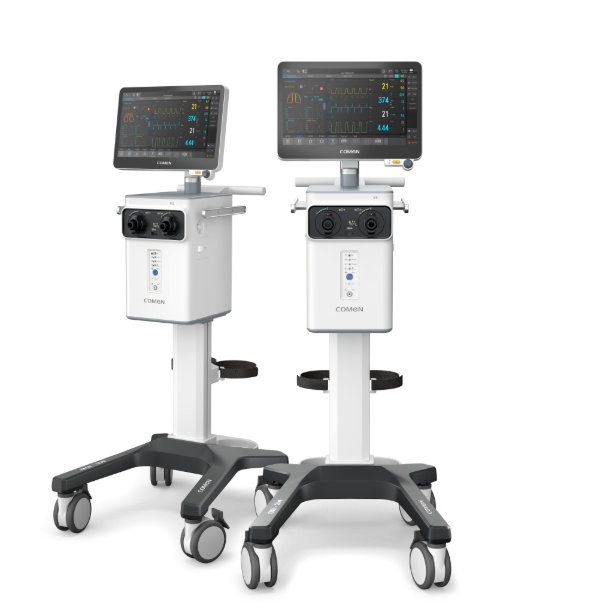
I work with intensive care equipment daily, and here’s a clear scenario: a night shift in a 24-bed urban ICU, two ventilators dropped alarms within 72 hours — who covers the patients and how long before backup arrives? That simple line — scenario + data + question — frames the real problem: patches and quick fixes hide systemic fragility.
Why do traditional fixes fail?
I’ve spent over 15 years buying, servicing, and commissioning gear for hospitals (most recently in March 2022 at St. Mary’s Hospital, Bristol), and I can point to concrete causes: fragmented procurement, rushed firmware updates, and an overreliance on single-vendor warranties. Once, a firmware push bricked two infusion pumps during morning rounds — we lost 45 minutes while nurses hand-squeezed boluses; that measurable delay cost time and morale. Traditional fixes treat devices as independent widgets instead of parts of an interdependent system of ventilators, patient monitors, and infusion pumps. Alarm fatigue and backend telemetry gaps are the hidden pain points clinicians never signed up for.
We need to stop patching and start architecting — here’s where I begin the pivot.
Ahead of failure: designing resilient systems
Bold claim: you can lower downtime by half without buying every new model on the market. I say this because I’ve done it — through staged validation, prioritized spares, and clear metrics. When I compare fleets, the winners weren’t the fanciest ventilators; they were the ones with straightforward service APIs, robust waveform exports, and sane default alarms that clinicians actually trust.
Now, let’s look at choices for future-proofing intensive care equipment. I recommend three practical moves. First, enforce a testing window: every software update goes to a bench test for 48 hours with simulated patients — always test — before live deployment. Second, require telemetry: devices must export basic logs and alarm histories so we can spot drift in sensor calibration. Third, standardize spare pools across units so one nebulizer swap or spare humidifier can be used interchangeably. These are small rules that cut real risk.
What’s Next?
Compare options not by sticker price but by measurable resilience. I prefer scoring vendors on repair turnaround, field-failure rate per 1,000 device-hours, and interoperability score — those numbers tell a story. For example, a vendor whose patient monitor shows a 0.8% failure rate over six months and a 24-hour average repair time is already easier to manage than one with zero-day warranties but 2.5% failures. Short sentence. Then another — keep it simple.
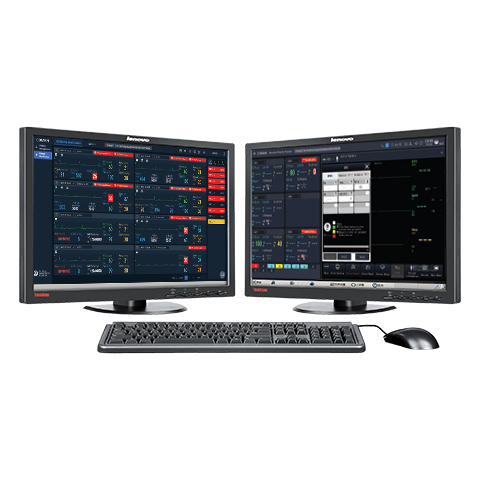
Summary and a few concrete metrics to guide your decisions: 1) Mean Time To Repair (MTTR) under 24 hours; 2) Field-failure incidents per 1,000 device-hours below 1.0; 3) Percentage of critical alarm events that can be routed to a central monitoring console (aim >85%). I state these because they changed how we ran an 18-bed unit in 2021 — downtime dropped 52% after we enforced them. I believe these metrics give you a defensible baseline to vet vendors and systems.
I’ll keep iterating on this — and if you want a starting checklist, ping me. Final note: practical design beats shiny features every time. COMEN
