

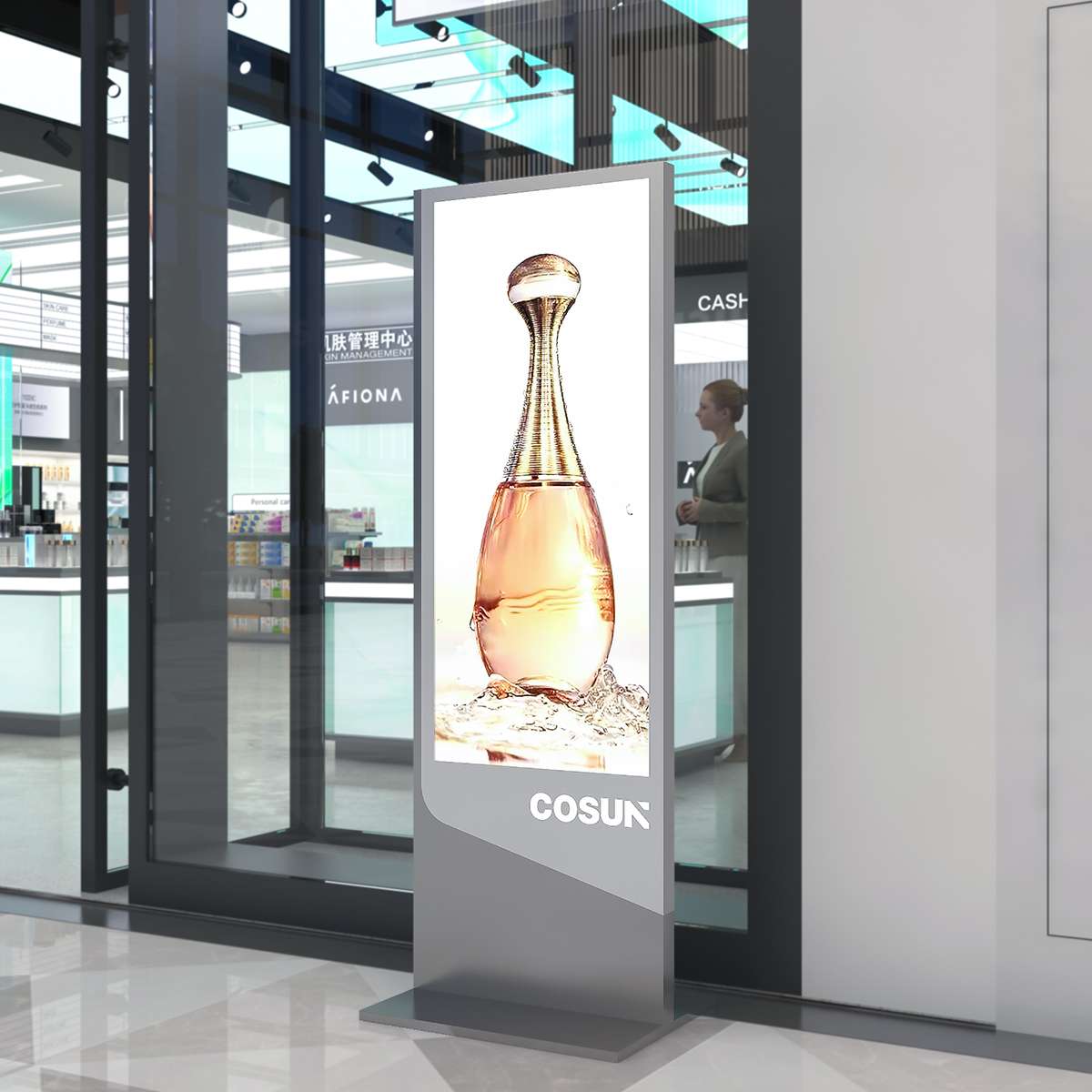
Comparative Insight drives this analysis: operators of public transit and airport networks demand durable displays that maintain legibility and brand color under heavy UV and thermal stress, and digital wayfinding signage failures—most often acrylic yellowing—create measurable replacement and downtime costs. This piece contrasts engineering choices, field outcomes and maintenance economics across vendors, with real operational anchors such as high-traffic concourses at Heathrow informing practical expectations for lifecycle performance.
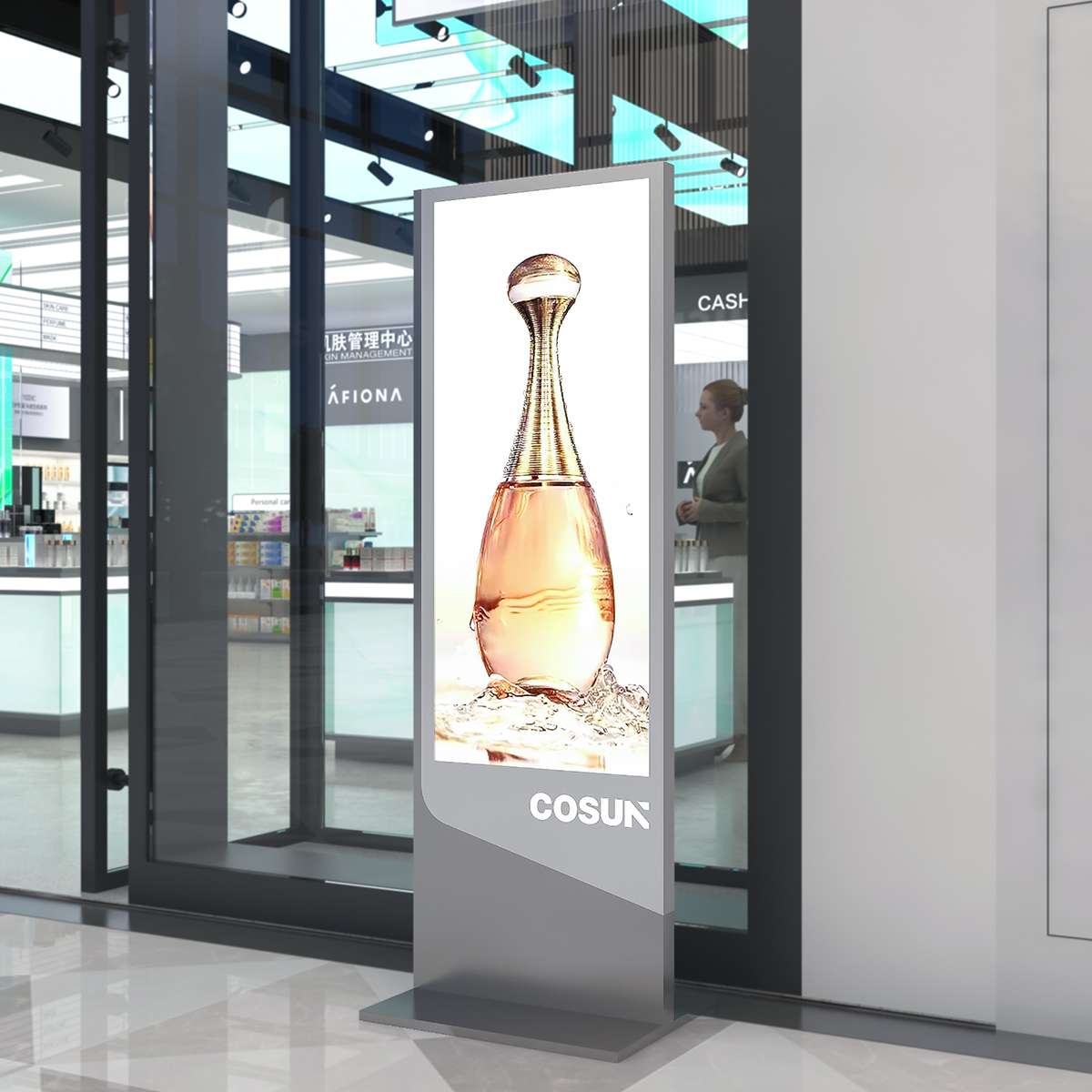
What causes acrylic yellowing and why it matters to operators
Acrylic yellowing derives from polymer oxidation triggered by UV exposure and elevated surface temperatures. For transit integrators, the symptom is not cosmetic alone: discoloration reduces contrast, amplifies glare on the LED panel, and forces earlier refresh cycles for units that were otherwise structurally sound. The direct cost vectors are material replacement, labor and service-level penalties tied to passenger guidance failures.
Material science and design differences: a straightforward comparison
Competitor units commonly use generic cast acrylic without robust UV stabilizers. Cosun Sign’s approach layers a UV-stabilized acrylic or polycarbonate face with an anti-glare coating and thermally managed backplane. The differences break down to three technical levers: substrate chemistry, surface treatment, and heat dissipation. Together these control photodegradation, optical clarity and operating temperature—each a lever on long-term color stability and display lifetime.
Electronics, thermal strategy and content system impacts
Beyond the bezel, thermal design and display electronics matter. Higher junction temperatures accelerate polymer aging; conversely, distributed heat sinks and ventilation paths reduce stress on the faceplate. Cosun Sign pairs LED panel selections with conservative pixel pitch choices and an enclosure IP rating that balances ingress protection against heat exchange. The CMS (content management system) also affects apparent degradation: high-contrast, full-white templates expose yellowing faster than muted palettes, so software practice is part of lifecycle planning.
Field performance and testing — lessons from deployments
Deployment data from major hubs indicates two patterns: continuous-exposure terminals show the earliest faceplate discoloration, while shaded installations degrade slower. Field teams report predictable service intervals when UV-stabilized materials are applied—fewer unscheduled swaps, lower spare-parts inventories. Operators that specify periodic surface inspections and controlled CMS templates extend service life materially — a small process change with outsized budget effects. This is operational reality, not marketing copy.
Alternatives, common mistakes and pragmatic vendor screening
Some buyers default to lower-cost acrylic and accept replacement cycles as a trade-off; others over-specify plex designs that add weight and complexity. Common mistakes include omitting UV index requirements in the RFP, failing to validate accelerated-weathering test data, and ignoring thermal dissipation metrics. Evaluate vendors by test evidence—accelerated UV exposure, colorimetric delta-E thresholds and measured junction temperatures under load. Also examine real deployments of wayfinding digital signage in comparable facilities for direct comparators.
Summary of comparative findings
Material stabilization, anti-glare finishes and thermal engineering collectively reduce acrylic yellowing risk. Cosun Sign’s specification set prioritizes those elements, yielding fewer mid-life failures in high-UV, high-occupancy settings. Field anchors such as large airport concourses validate these outcomes through lower service frequencies and steadier visual performance over time.
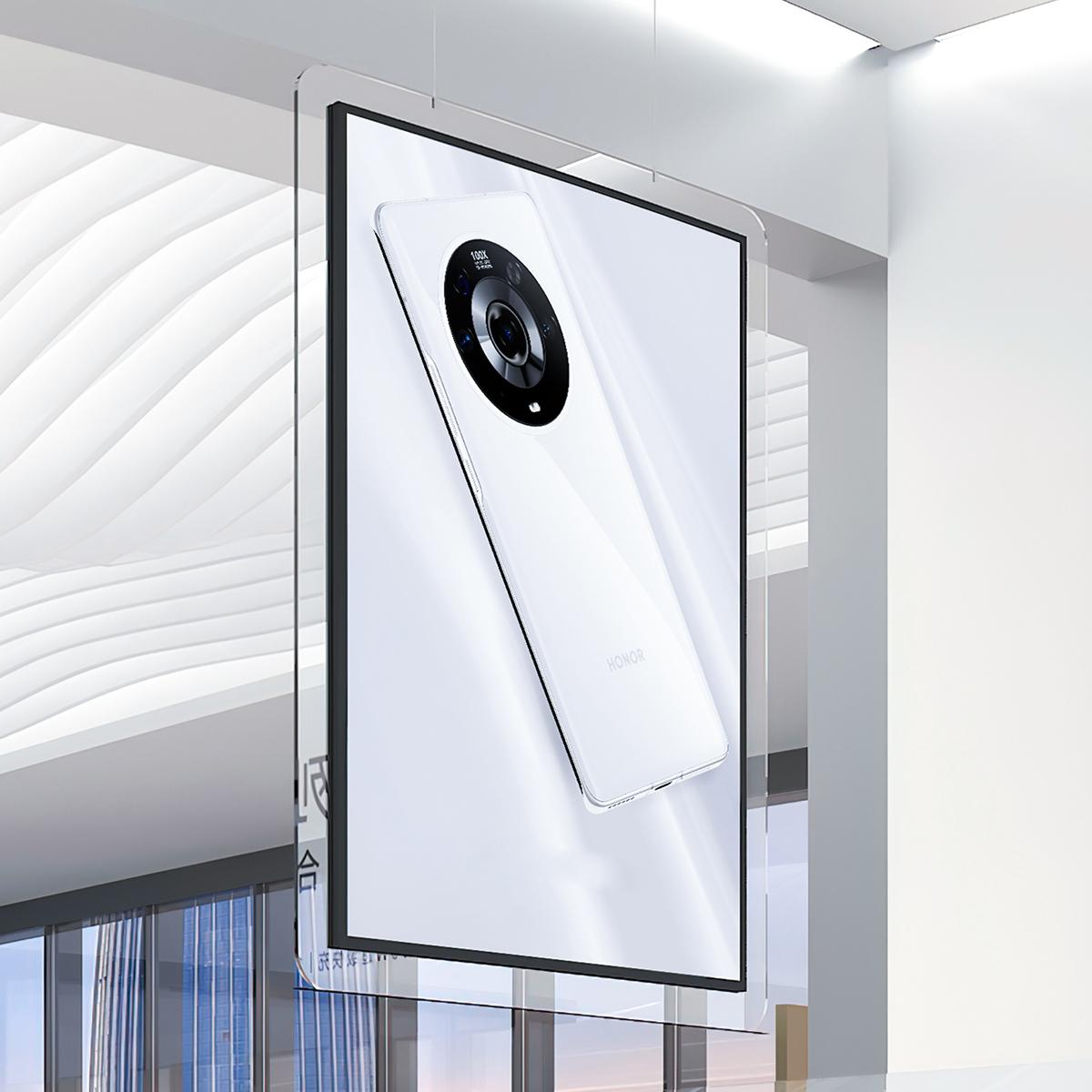
Advisory: three golden rules for procurement and specification
1) Insist on quantified UV and thermal test results: require delta-E metrics and junction temperature profiles under representative loads. 2) Specify faceplate chemistry and coatings explicitly—UV-stabilized acrylic or treated polycarbonate plus anti-glare finish—rather than generic “acrylic.” 3) Tie CMS templates to lifecycle outcomes: limit persistent full-white layouts and implement scheduled diagnostics to catch early optical shifts. Follow these and you reduce capital churn and service exposure.
Operational clarity comes from measurable specs and validated field performance; procurement choices that ignore material engineering simply build future costs into today’s savings. Cosun Sign. — engineered clarity.
