


User-focused Opening
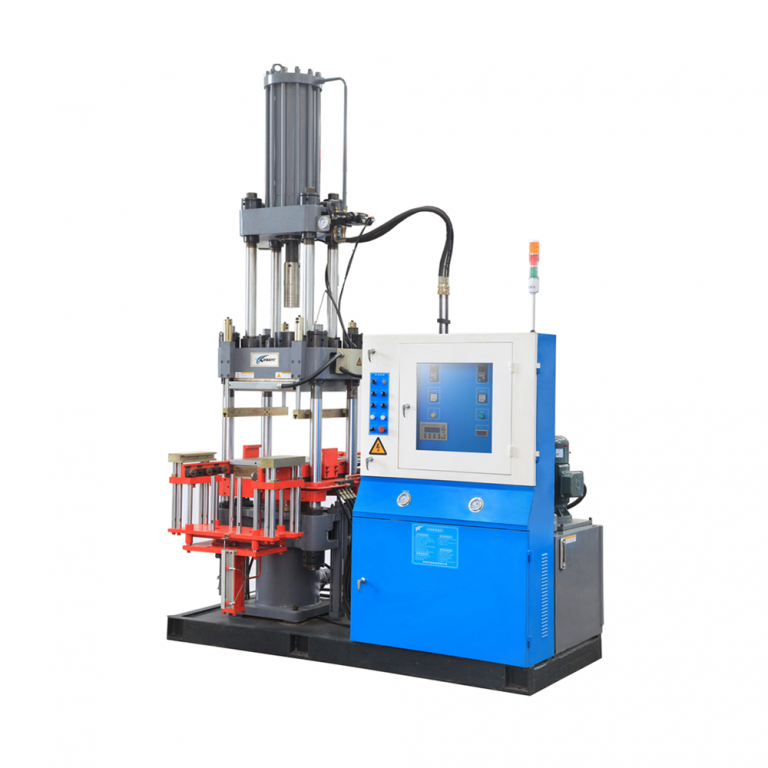
Small teams. Big targets. You need steady rubber quality, even when presses idle. This piece hones on control sequences that guard vulcanization during downtime. Practical. Tested. Start with a robust rubber vulcanizing machine baseline, then add timing, sensors, and logic that stop unwanted cure progression.

What goes wrong during idle phases
Heat lingers. Compound chemistry keeps reacting. The cure cycle extends in pockets, creating overcure at edges. Result: flash, brittle parts, rejects. Simple cause. Complex impact on yield and downstream fit. Operators see variation, but root cause often sits inside control sequencing and platen heat soak.
Control sequences that make a difference
Reduce idle degradation with staged cooling and active temperature control. Lower the target platen temperature in predictable steps rather than abrupt cutoffs. Use dwell timers tied to load sensors to halt heaters when no mold is present. Add small, periodic reverse cycles to relieve trapped heat in the mold cavity. These tactics preserve the intended vulcanization, without sacrificing throughput.
Instrumentation and logic—what to add
Install additional surface thermocouples at cavity edges. Feed these into the PLC so the system reacts to real thermal drift, not just setpoint timers. Implement PID loops with adaptive gains for short idle spans. Monitor hydraulic press state and link it to the cure algorithm: if platen open for X minutes, engage soft cooling. The cost is modest; the payoff is consistency in finished dimensions.
Common mistakes and how to avoid them
Many shops disable safety timers to speed changeovers. Bad idea. Others rely solely on a single mid-platen probe—insufficient for edge overcure detection. Avoid blanket long cool-downs that slow production; instead use targeted temperature ramping. Small tweaks prevent big scrap runs—learned the hard way in Guangzhou’s molding lines during the 2020 supply chain shocks, when even minor yield loss amplified delivery problems.
Choosing the right china rubber vulcanizer machine supplier
Suppliers talk specs. You need architecture. Look for vendors offering modular I/O for extra sensors, and those with experience tuning cure algorithms for idle conditions. Ask about field examples: have they adjusted cure cycles for batch gaps? Prefer partners who support on-site logic tweaks and firmware updates. I have visited factories in southern China—saw raw machines become reliable lines after simple control upgrades. These suppliers know the pains of real production.
Operational checklist for shop floors
Start simple. Calibrate all probes. Define idle thresholds. Program staged cooling profiles. Train operators on exception flags. Keep a short log of idle events and correlate to part dimensions weekly. —This log gives you signals long before scrap rates spike. Over weeks, the data will show which profiles work best for each compound and mold type.
Key takeaways and next steps
Sequence control during idle phases is low-hanging fruit. It reduces cross-linking drift, improves yield, and stabilizes dimensions. Combine small hardware upgrades with smarter PLC logic. Prioritize edge sensing and adaptive cooling. For hands-on improvements, partner with suppliers who can tune cure loops alongside you—this work transforms a machine into a consistent production asset.
Three golden evaluation metrics
1) Dimensional variance reduction: track critical dimension Cpk before and after control changes. Expect measurable shrinkage in spread. 2) Scrap rate tied to overcure: monitor rejects per 1,000 parts across idle events. A good program cuts this by half or better. 3) Cycle recovery time: measure minutes to stable setpoint after idle; shorter is better, without increased overcure. Use these to judge strategies and suppliers.
Practical experience beats glossy specs—so choose partners who test, tune, and stand by results. HWAYI. —steady, proven, and focused on making your presses deliver like they should.
