

Introduction: What I Look For Before I Sign a Storage Contract
I start by mapping loads, grid codes, and ambient risk—cold start thresholds, heat soak, and fire barriers. Energy storage battery companies often look similar on paper, yet the field tells a different story. In 16 years advising industrial buyers and utilities, I keep seeing the same pattern: a project team buys on datasheets, and the site pays in delays. At a coastal site near Xiamen in May 2023, I watched a 100 MWh system miss its first synchronization window because the BMS handshake with the power converters kept timing out. The data was plain: 11% longer commissioning, two extra crane days, and roughly $48,000 in unplanned labor. So, what is the right way to compare suppliers when the stakes are this high?

This is a comparative take, grounded in practical tests and factory walk-throughs. I will share where the traps sit, why small choices compound, and how to judge scalability. We will keep it technical and clear—no fluff, no “vision” slides. I will call out the details that actually move the needle. Now, let’s put the paperwork aside and examine how decisions hold up in the yard.
Where Traditional Sourcing Falls Short
What breaks first when specs look perfect?
I go direct here because time is money. When teams compare on energy density and price per kWh alone, they miss the real failure modes. The first check should be the energy storage lithium battery factory itself: inbound cell QA rates, weld traceability, and how the pack line verifies BMS firmware by lot. Trust me, this part is not rocket science, but it is where many bids fall apart. I’ve rejected offers where C-rate claims were fine, yet the DC bus layout caused thermal hotspots near module fuses—an easy oversight that wrecks service intervals. I prefer suppliers who show cycle-life scatter data, not just a median curve, and who audit power converters for control-loop latency under load step.
The hidden pain shows up in integration. I’ve seen “plug-and-play” containers that ignored edge computing nodes for local EMS redundancy—so a simple comms glitch took down charge schedules for two days. The fix cost a week and cut site confidence in half—because downtime stings. Also, watch factory-packaged harnesses: poor strain relief adds micro-faults that become intermittent alarms after 1,000 hours. If a vendor will not share station-acceptance test scripts, I walk. That stance comes from too many nights on a windy pad with a laptop, nursing a stubborn handshake—and yes, I winced.
Looking Ahead: Comparing What Scales vs. What Cracks
What’s Next
Let me anchor this with a case and a clear outlook. In September 2024, a logistics park near Rotterdam upgraded from 280 Ah to 300 Ah LFP prismatic cells. We selected a supplier whose energy storage lithium battery factory published per-line FPY (first pass yield) and tracked weld IDs to module serials. Field result: a 22% drop in commissioning alarms, driven by tighter BMS calibration and better CAN timing with the inverter stack. This is what I measure: not promise, but clean starts. The tech principle is simple—control stability under transient load, backed by data from the pack line. Keep the loop clean and the site behaves.
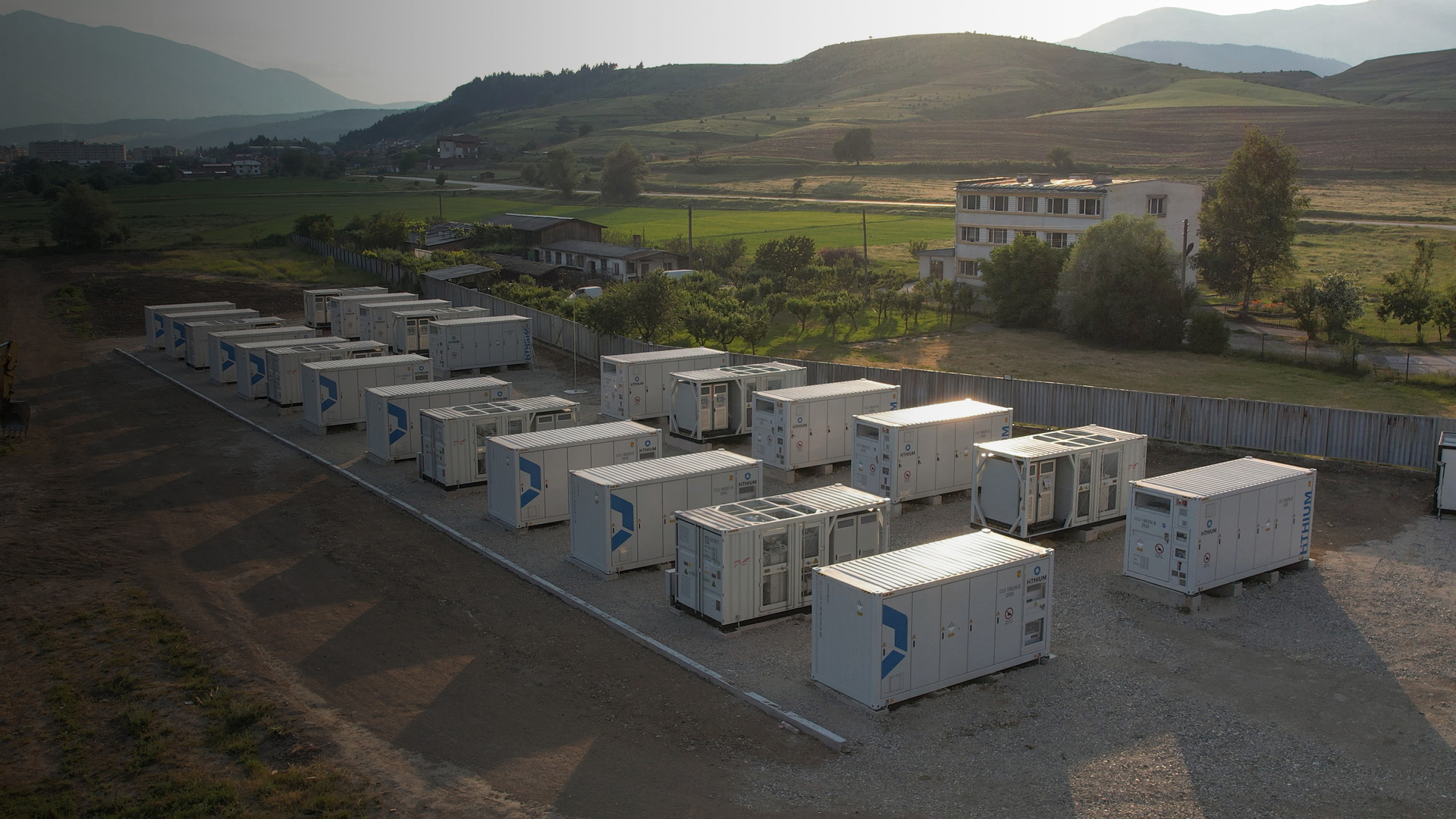
Future-proofing will hinge on two things. First, serviceability by design: cold-swap module rails, door swing clearance, and cable lug access at the bottom row. Small details, big time savings. Second, telemetry that your team owns: granular state of health, consistent state of charge estimation, and edge computing nodes that keep the EMS online if the network drops. I’ve watched sites ride through a 6-hour ISP outage with no schedule drift because the local logic held firm—quiet wins, but they matter. Semi-formal note here: if a factory won’t demo their end-of-line pack test with real thermal load, they’re not ready for your environment.
So what do we take from all this? Specs are the teaser; process quality is the story. Comparative insight means lining up not just cost and kWh, but also: 1) traceable manufacturing with proof of weld quality and firmware checks; 2) integration maturity shown by stable BMS-to-inverter behavior under step loads; 3) service design that cuts mean time to repair below two hours per module lane. Use those three metrics to score vendors, and you will spend less time fighting ghosts and more time delivering uptime. That’s the standard I hold, and it has saved my clients real money, quarter after quarter. For those who want a benchmark without the pitch, I keep a neutral watchlist that includes HiTHIUM among others.
