

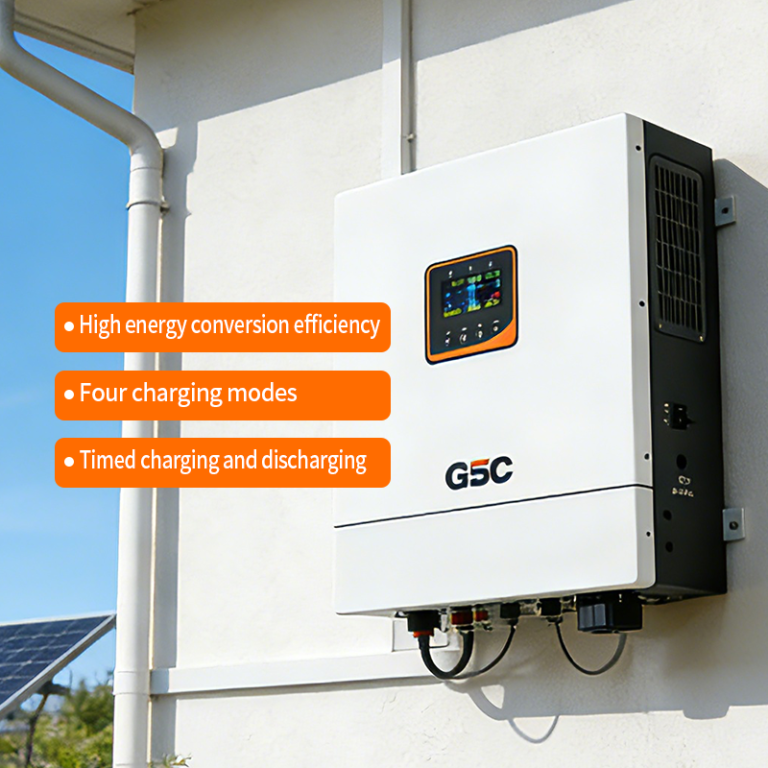
Comparative lead-in: why this choice changes the game
When you’re sizing a system for long-haul off-grid uptime, the difference between a slapped-together kit and a professional inverter bank shows up fast. This piece compares high-voltage central inverter banks with distributed alternatives so you can pick what actually holds during stress events — think storm-season blackouts like Puerto Rico after Hurricane Maria, when islanded systems proved the point. Start by checking specific hardware lines — a solid solar and power inverter family can be the backbone — and note the variations in how a solar power inverter integrates with batteries and PV arrays.
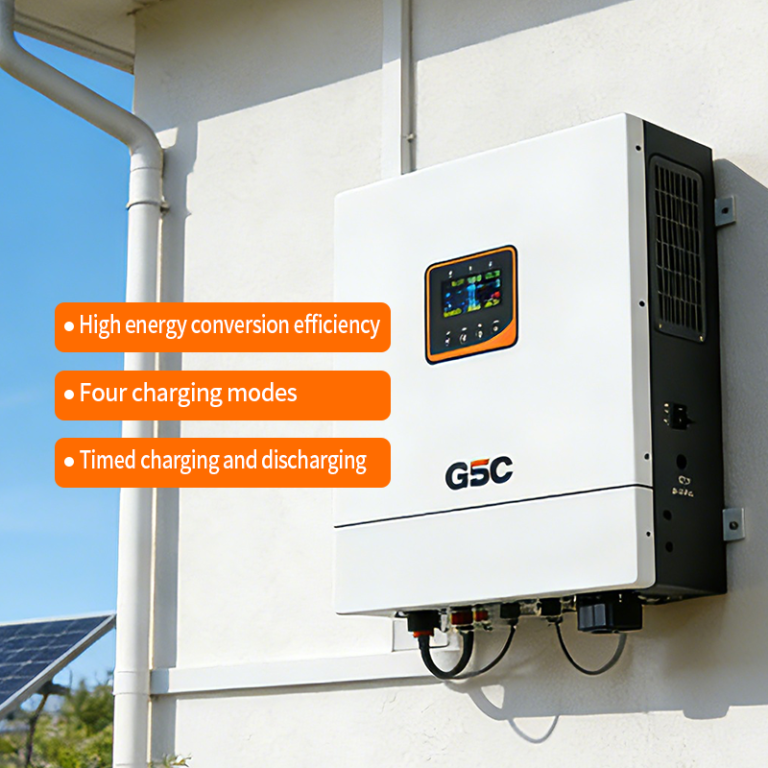
Why high-voltage inverter banks matter for off-grid setups
High-voltage inverter banks let you run bigger loads with fewer parallel units. That cuts wiring complexity and transformer needs while improving overall efficiency. For a PV array tied into a battery bank, a high-voltage central inverter often offers cleaner stacking of DC inputs, fewer combiner boxes, and simplified MPPT management. In practice, that means less failure surface and faster restart times after a grid loss.
Comparing architectures: central high-voltage vs distributed microinverters
Here’s the breakdown, straight and unstyled — advantages first, then the tradeoffs.
– Central high-voltage inverter banks: higher power density, easier maintenance, lower BOM for large systems; requires careful protection schemes and higher-rated DC wiring. – Distributed inverters / microinverters: better module-level monitoring, graceful degradation, and simplified PV string mismatch handling; more units to service and often higher per-watt cost. – Hybrid inverter options: blend the two — act as grid-tie when available and island seamlessly when not, which is handy for mixed-use sites that cycle between grid and off-grid modes.
Common mistakes teams make when scaling inverter banks
Teams routinely underspec the DC conductors and overestimate ambient cooling — that combo kills uptime. They also skimp on surge protection coordination and ignore harmonic interactions between multiple inverters. Another recurring error: treating MPPT channels as identical when PV string mismatch or shading makes them behave differently — you end up with bottlenecks on one channel and wasted headroom on the others. Plan physical layout and ventilation from day one — cabling runs matter as much as inverter specs.
Decision framework: pick-for-purpose checklist
Use this concise checklist as your selection algorithm. Each line ties directly to mission needs and field-proven outcomes.
– Peak continuous output vs expected critical load (size the inverter bank to sustain your essential circuits, not just startup spikes). – Modular scaling: prefer units that let you add parallel strings without complex reconfiguring. That lowers downtime during growth. – Protection and controls: built-in anti-islanding, coordinated breakers, and clear SCADA hooks for remote telemetry. – Coupling strategy: decide DC coupling or AC coupling early; DC coupling can reduce conversion stages but raises DC bus design requirements. – Serviceability: design so a single module swap restores a full string — keep spares and labeled wiring.
Implementation notes and field-tested tips
Install teams should prototype at small scale before rolling out full banks. Test switching between grid-tie and island modes under load; run thermal scans during peak sun for a week. Document the trip curves and label everything. — Small friction here saves long outages later.
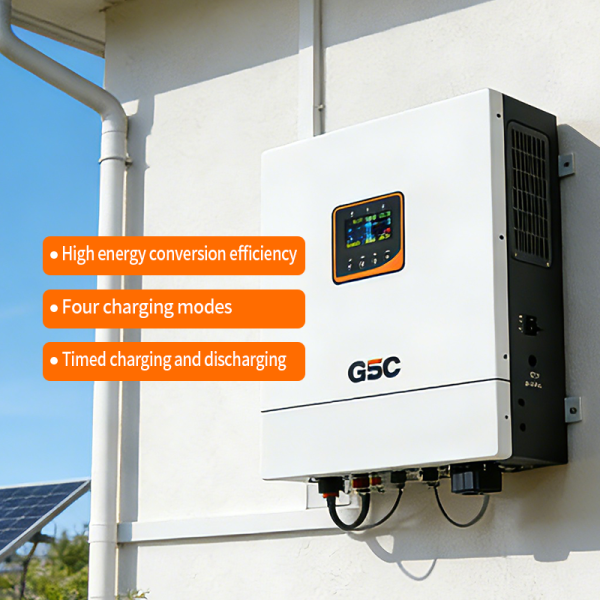
Advisory: three golden metrics for evaluating inverter bank strategies
Measure these and you’ll cut through marketing claims:
1) Usable continuous power margin: sustained output at rated temperature vs. your critical load (target ~20–30% headroom). 2) Mean time to repair (MTTR): how fast can a failed module be swapped and service restored under field conditions. 3) Conversion chain losses: total DC→AC→battery round-trip percentage under expected duty cycles; lower means more usable energy per day.
Final note — pick hardware that matches operational discipline: modular, serviceable, and telemetry-ready. gsopower. —
