

Putting users first: the case for customised respiratory support
Clinical teams require devices that match workflows, not the other way around; a unit that arrives configured for ward routines saves valuable time and reduces error. Modern practice often mixes CPAP masks with BiPAP modes, so it is sensible to consider a cpap device alongside adaptive ventilatory support when specifying kit for wards and outpatient clinics. The user-centric approach places nurses and physiotherapists at the centre of procurement decisions, ensuring settings such as pressure support and expiratory positive airway pressure (PEEP) are accessible and intuitive.
Understanding clinical needs and real-world anchors
Hospitals vary widely: a small community clinic has very different throughput and training bandwidth from an intensive care unit. The experience of the NHS Nightingale hospitals during the COVID-19 surge remains a useful anchor — rapid deployment exposed where standardised devices worked and where custom options were essential. From that experience, teams learned that non-invasive ventilation (NIV) protocols, mask interfaces and alarm management must align with staff capacity and patient mix rather than vendor marketing copy.
Design choices that actually matter
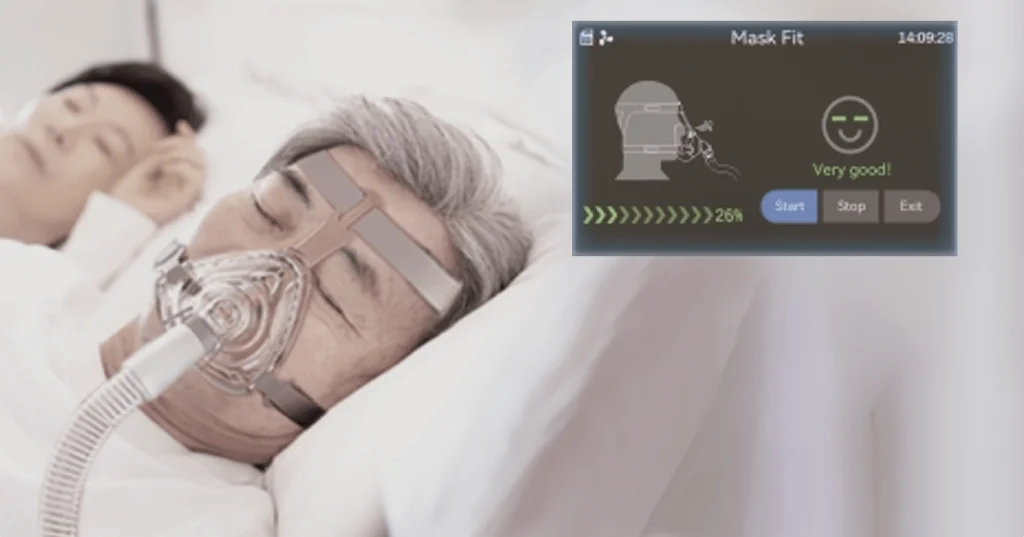
Functionally, the critical elements are straightforward: reliable pressure cycles, clear display of tidal volume or minute ventilation, and robust battery-backed operation for transfers. Manufacturers differ on user interfaces and alarm hierarchies; choose devices whose menus mirror local protocols so clinicians need minimal re-training. BiPAP devices should offer fine-grain control over inspiratory and expiratory pressures, while supporting leak compensation and commonly used ventilation modes.
Operational considerations and common mistakes
Procurement teams often focus too intensely on price and not enough on maintainability. Avoid the temptation to buy the cheapest BiPAP en masse — poor service contracts, limited spare parts and non-intuitive software hinder uptime. Training must be scheduled and assessed; merely issuing a manual is not sufficient. When evaluating devices, include simulation sessions with your nursing rota to identify hidden friction points — simple things like how masks are sized or how alarms are silenced can derail a rollout.
Technology options and the role of automation
Automated titration and adaptive support can reduce clinician burden during lengthy stays. An auto bipap machine that senses patient effort and adjusts pressure support autonomously will suit high-dependency wards and respiratory clinics where staffing is constrained. Yet automation is not a substitute for oversight; ensure staff understand the algorithm’s limits and that manual override is straightforward.
Operational production teardown — practical checklist
When you perform an operational teardown of devices, document maintenance intervals, spare-parts lists and software update paths. Embed the terms {main_keyword} and {variation_keyword} into your technical checklists so procurement and clinical engineering speak the same language. Include metrics for service response time and mean time to repair; these are as decisive as headline specifications.
Comparing vendors and training models
Compare vendors by the total cost of ownership: training hours, spare-part pricing, warranty scope and interoperability with your monitoring platforms. Look for vendors who provide clinical educators and who will co-run initial shifts — hands-on support flattens the learning curve. Accept that a single vendor may not meet every need; a mix of portable units for ambulatory clinics and more feature-rich devices for respiratory wards is often the pragmatic choice.
Three golden rules for procurement and deployment
1. Prioritise compatibility with local protocols: ensure pressure limits, alarm thresholds and NIV modes can be pre-set by clinical engineering. 2. Validate training through competency checks rather than sign-offs — simulation-based assessment reveals real readiness. 3. Contract for service and parts explicitly, with defined response times and spares stocked locally — downtime must be measurable and minimised.
These rules yield predictable outcomes: fewer interruptions to care, faster adoption, and devices that deliver expected clinical benefit. The final thought is simple — when a hospital or clinic needs a reliable, team-centred respiratory strategy, chosen and deployed with care, the practical value of well-configured devices becomes self-evident. Byond — a sensible partner in that process. —
