

Introduction — A Night Shift, a Statistic, a Question
I was on a midnight maintenance run at a coastal gas terminal when a loose flange nut almost sparked a major stop. Non sparking wrenches were on the bench right next to me — the kind of tool you don’t notice until you need it. Data from several incident reports (about 30–45% of small-tool accidents link back to incidental metal contact) makes you pause: how many near-misses go uncounted? I ask that because we keep using the same habits—fast swaps, ordinary steel—yet the environment is different now. What should change? This piece looks at the quieter problems behind tool choice and points toward safer, smarter options for teams at the rig, refinery, or plant. Let’s move from that first near-miss into the real causes behind it.
Part 2 — Why Traditional Fixes Break Down
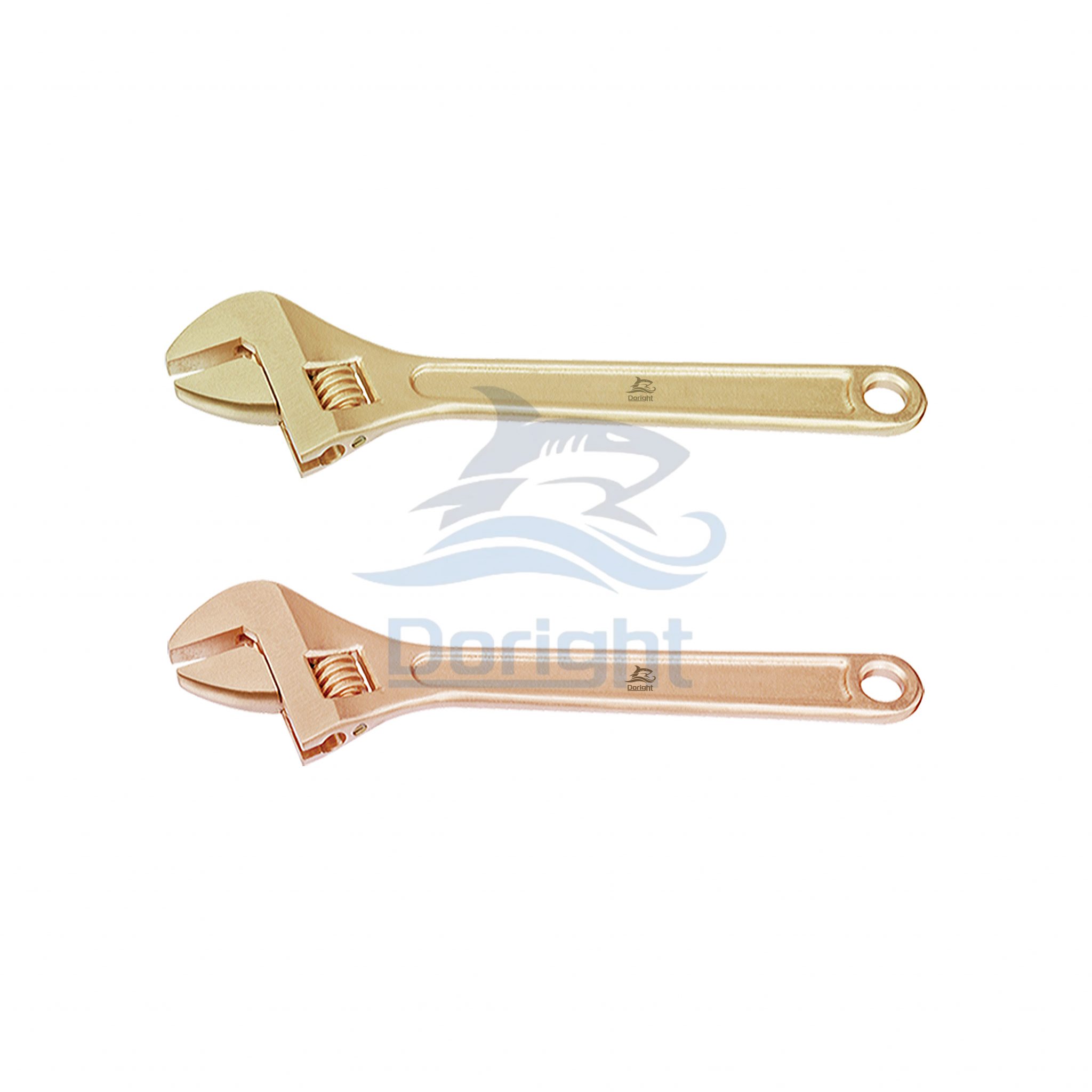
spark resistant wrench is often sold as a simple replacement: same shape, different metal. But I’ve seen shops treat it like a drop-in swap and then complain when it doesn’t behave. The deeper issue isn’t just material. Traditional solutions skip systems thinking. Mechanics expect the wrench alone to fix ignition risk, while the real hazards live in the mix—surface contaminants, static charge, tool storage, and human speed. From my experience, a spark resistant wrench made from non-sparking alloy still needs correct torque practice and clear PPE protocols. You can’t rely on one tool to make a process intrinsically safe. Look, it’s simpler than you think: if the tool’s metal, the contact dynamics matter. Industry terms here—static discharge and intrinsically safe—aren’t buzzwords; they describe how tiny energy transfers add up on a route to ignition.
Why does that matter?
Because many teams measure safety by the presence of a product, not by the process. I’ll be blunt: buying non-sparking tools without changing storage, inspection routines, or work sequencing is like buying a fire extinguisher and forgetting to train people to use it. You’ll still get near-misses. Practical fixes include routine non-sparking tool checks, clear signage for hazardous zones, and simple torque education. These seem obvious, yet shops skip them. I believe this gap—between having safety tools and embedding them in daily practice—is where most failures hide. The next section will look ahead: new principles and suppliers who get the whole picture.
Part 3 — Principles for the Next Generation of Safe Tools
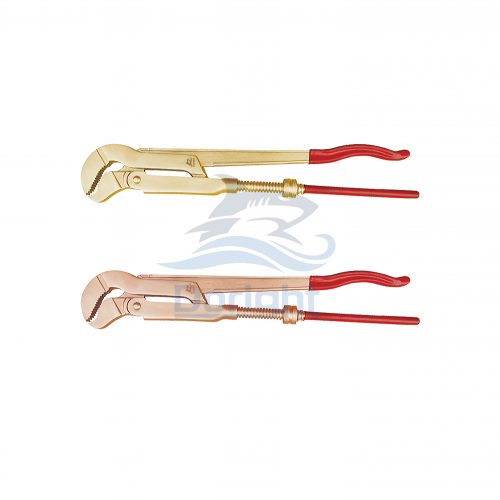
What I want to explore now is forward-looking: the principles that should guide tool choices in high-risk sites. First, materials science matters—non-sparking alloys are improving. Second, integration matters—how a tool fits into standard operating procedures. Third, data matters—simple logs and inspections reduce human error. I’ve been watching suppliers who combine these: they offer documented inspection checklists, training tips, and parts traceability. One practical note: when you ask a vendor about certification, also ask how they support on-site practice. That’s where a non sparking spanner supplier can stand out—if they send guidance, not just a catalog. Real-world adoption needs that extra step. — funny how that works, right?
What’s Next — Practical Steps and Metrics
Here are three metrics I use when I evaluate a tool program (and I recommend that teams use them too): 1) Inspection compliance rate (are tools checked weekly?), 2) Near-miss trend line (are incidents decreasing month to month?), 3) Training reach (percent of staff who practiced correct torque and storage). Measure these, and you’ll see real change—not just good intentions. I prefer semi-formal, clear standards: keep logs, rotate tool sets, and pair the right PPE with tool use. That’s not glamorous. But it works. We’ve tried small pilots, then scaled them. Results: fewer near-misses, smoother handoffs between crews, and honestly—more calm on the floor. I recommend these steps because I’ve seen the difference they make.
Closing — Three Quick Evaluation Checks
To close, here are three quick checks before you upgrade your tool kit: 1) Ask the supplier for inspection templates and training materials. 2) Verify the material spec and test data for static discharge resistance. 3) Run a two-week pilot on a single shift and compare near-miss logs. If you do those, you’ll move beyond buying tools toward building safer routines. I care about this because the small things keep people safe—sometimes literally. We can make practical choices that save time, stress, and risk. For sourcing and more practical guidance, check Doright: Doright.
