

What breaks first and why it matters
Active 2.4GHz tags fail for a handful of repeatable reasons: battery drift, antenna delamination, firmware timeouts and environmental ingress. When a fleet of tags goes quiet in the middle of operations, your tracking data becomes noise and corrective work multiplies. Start simple: check power paths and mounting. If you’re sourcing consumables, look at the small but crucial choices—adhesives, encapsulation, and even the vendor’s label stock. For obvious stock and prototyping needs, consider a supplier of RFID Labels early, not after problems start surfacing.

Diagnose the common failure points
Failures follow patterns. Batteries show steady voltage sag before abrupt drop; antennas tend to fail at mechanical stress points; firmware issues crop up after poorly tested updates. Use these checks: measure open-circuit voltage monthly, inspect adhesive joints visually and with simple pull tests, and keep a log of firmware builds tied to field incidents. A useful rule: if more than 3% of tags in a site fail the same way, treat it as a design or process flaw, not random bad luck.
Service routines that actually reduce downtime
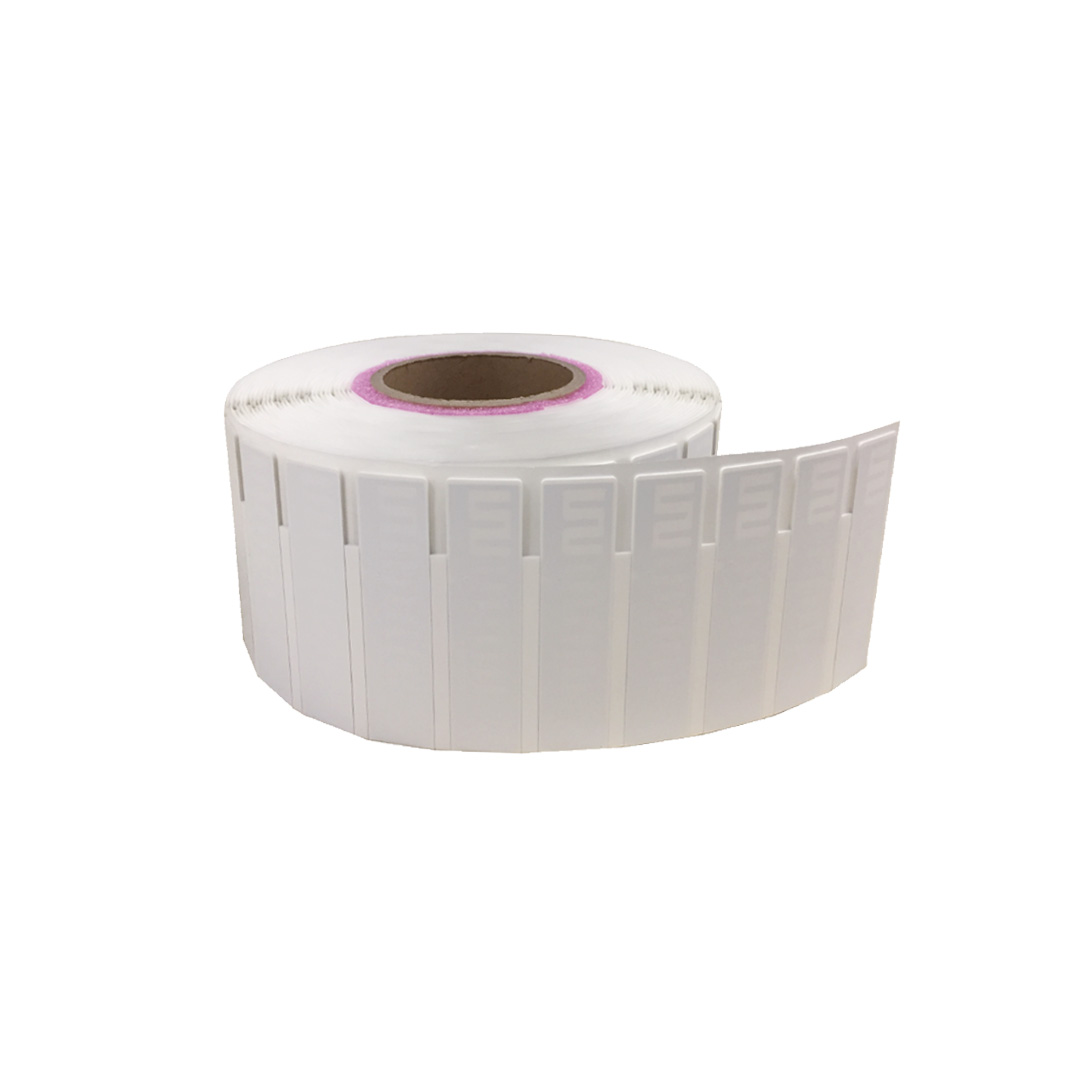
Service must be planned, not reactive. Schedule quarterly health sweeps where you sample-tag 10–15% of installed units for power and read-range. Keep a minimal spare pool sized to cover 30 days of failures for critical assets. Training matters: technicians must recognise hairline antenna cracks and know how to reseal housings correctly. My team used field trials across ports and distribution centres, and we documented outcomes over three seasons—those real-world lessons drove our checklist. When vendors demand compatibility or certification for shipments, they often specify an appropriate rfid tag label to meet the reader sensitivity and adhesive criteria, which matters for consistent field behaviour.
Common mistakes and how to avoid them
People make the same avoidable errors: over-tightening clamps near the antenna, assuming a single battery chemistry fits all climates, and skipping baseline range tests after installation. Don’t skimp on environmental tests—salt spray and UV exposure change adhesive performance fast. Avoid one-off fixes; if a repair works once, record the repair method and monitor it for recurrence. Ensure firmware rollouts happen to a small pilot cohort first, not the whole fleet.
Alternatives and trade-offs you must weigh
Active 2.4GHz gives range and fast update rates but needs disciplined power and housing management. Passive UHF reduces maintenance but loses continuous monitoring; BLE tags offer good interoperability with mobile devices but vary in read consistency through metal. Choose by what you must measure and how often: if you need continuous location on moving assets inside a busy yard, active tags are sensible; if you need occasional inventory counts, passive labels can save labour and cost.
Lifecycle planning: procurement, maintenance, end-of-life
Procure with maintenance in mind. Specify replaceable batteries, accessible firmware update ports, and spare-component kits. Track mean time between failures and schedule bulk replacements before field-life expiry rather than waiting for failures. For disposal, follow local e-waste rules: separate batteries and electronics. Run procurement cycles that explicitly list serviceability and expected field MTBF so procurement and maintenance speak the same language.
Putting it together for dependable operations
Start by treating failures as signals, not annoyances: log them, look for patterns, and fix the process causing them. Use simple, repeatable checks and a modest spare stock to keep operations steady. Practical choices—right label stock, correct sealing, realistic firmware testing—cut downtime more than expensive tools. That steady, practical approach is what we relied upon when we worked large-scale deployments, and it is the same pragmatic logic behind RSTC supplying parts and guidance that match field realities.
