


Introduction: A Room Full of Voices, and One Clear Choice
Picture this: your board meets at 9:00, glass walls, a busy street outside, and a client joining from Lisbon. You’re running a wireless conference system in a glass-walled boardroom. The team talks, slides move, and still the sound drops twice per hour—industry surveys report that 30–40% of hybrid meetings hit some audio snag, often due to interference or bad room geometry (pois, it happens). Now the question: is the issue your microphones, or the way your wireless layer handles the airwaves? We see the same pattern: crowded RF bands, open floors with spillover, and a latency budget stretched thin by add-on gear. The scene is common, but the fix is not obvious—until you compare how signals travel, how rooms reflect light, and how privacy leaks occur through walls. This guide leans on a simple idea: match the medium to the mission, not the other way around. Ready to step past “it works most of the time” and design for stable, private speech? Let’s move to the root causes and the options that avoid them.
Under the Hood: Why IR Solves RF’s Loudest Problems
Where do RF systems stumble?
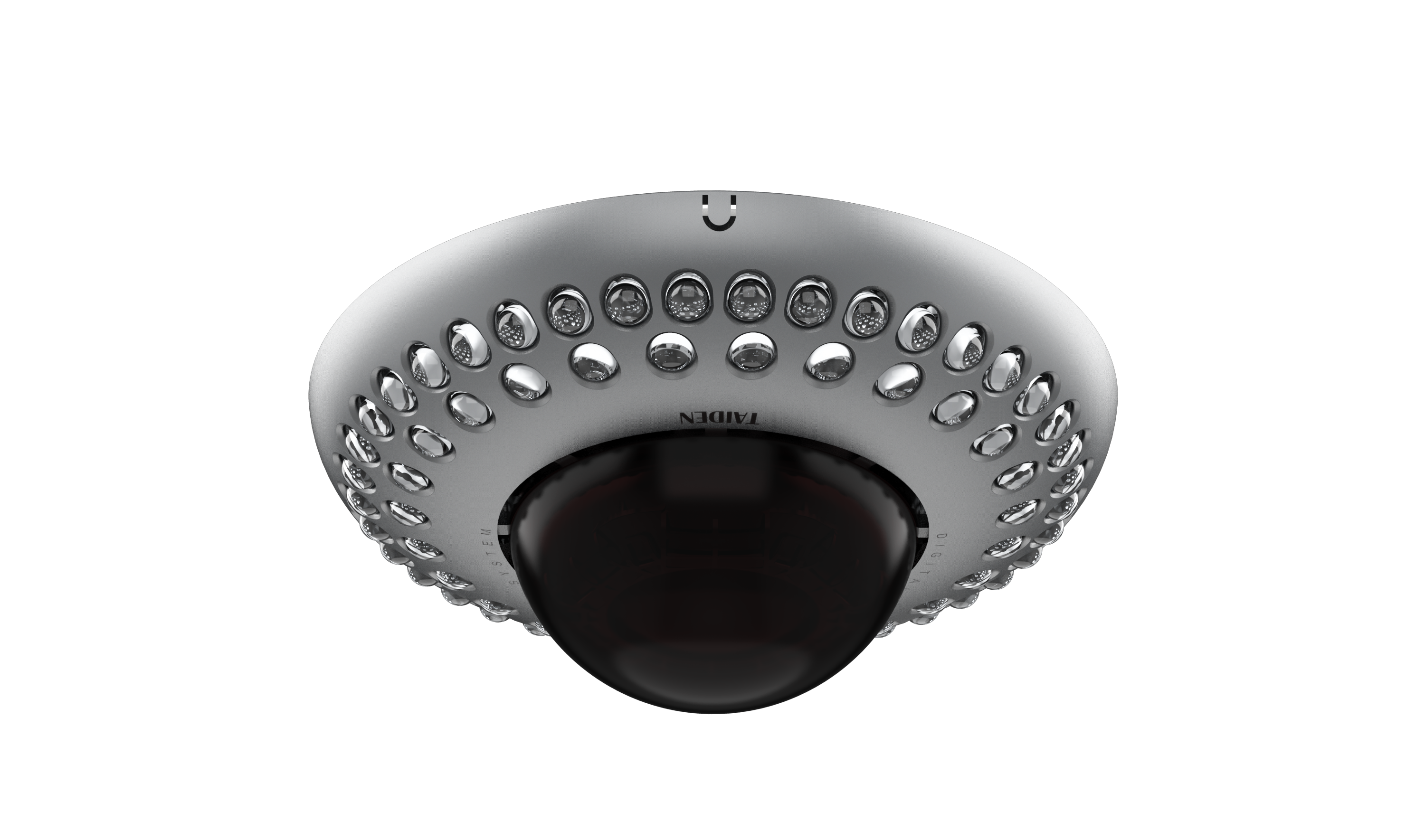
Let’s get technical, calmly. An IR wireless system keeps signals in the room by using light, not radio. That means no RF interference from Wi‑Fi, DECT handsets, or nearby offices. Traditional RF arrays rely on careful frequency planning, beamforming, and tight gain staging to dodge noise. In busy buildings, those controls drift—funny how that works, right? IR stays line‑of‑sight, so your speech doesn’t bleed through walls. It’s a physical boundary, not just an encryption module. Add a proper audio codec and room-friendly diode arrays, and you reduce jitter before it starts. Look, it’s simpler than you think: fewer moving parts at the spectrum level, less packet loss, more consistent floor control.
Hidden pain points don’t show up in pitch decks. RF fatigue from periodic dropouts. “Ghost meetings” when stray signals spill into adjacent spaces. More staff time spent chasing channel conflicts than tuning the DSP. In contrast, IR’s optical path avoids crowded bands, so your latency stays predictable and your moderation logic holds steady. You still need basics—clear sightlines, stable power converters, and smart mic placement—but you’re not wrestling with modulation trade-offs every week. If your team is tired of chasing gremlins, the physics of light gives you a quiet room by design.
Comparative Outlook: Principles That Keep Tomorrow’s Meetings Quiet
What’s Next
Now, lean forward a bit. New rooms are mixing flexible seating, large LED walls, and more cameras. That means more potential noise sources, yet higher expectations for speech clarity. Here’s the principle shift: instead of hardening RF to survive shared spectrum, you choose a medium that opt‑outs of the fight. An infrared wireless conference system leverages controlled light fields, so capacity scales by adding ceiling emitters and segmenting zones—without polluting the RF soup. Think predictable coverage mapping, stable latency, and no surprise cross‑talk through plaster. Pair that with room-aware DSP and edge computing nodes near the racks, and you get low-delay handover, consistent mic priority, and calmer ops teams. Yes, you’ll plan line-of-sight and ceiling heights—but that’s a known, plannable constraint—and yes, that matters.
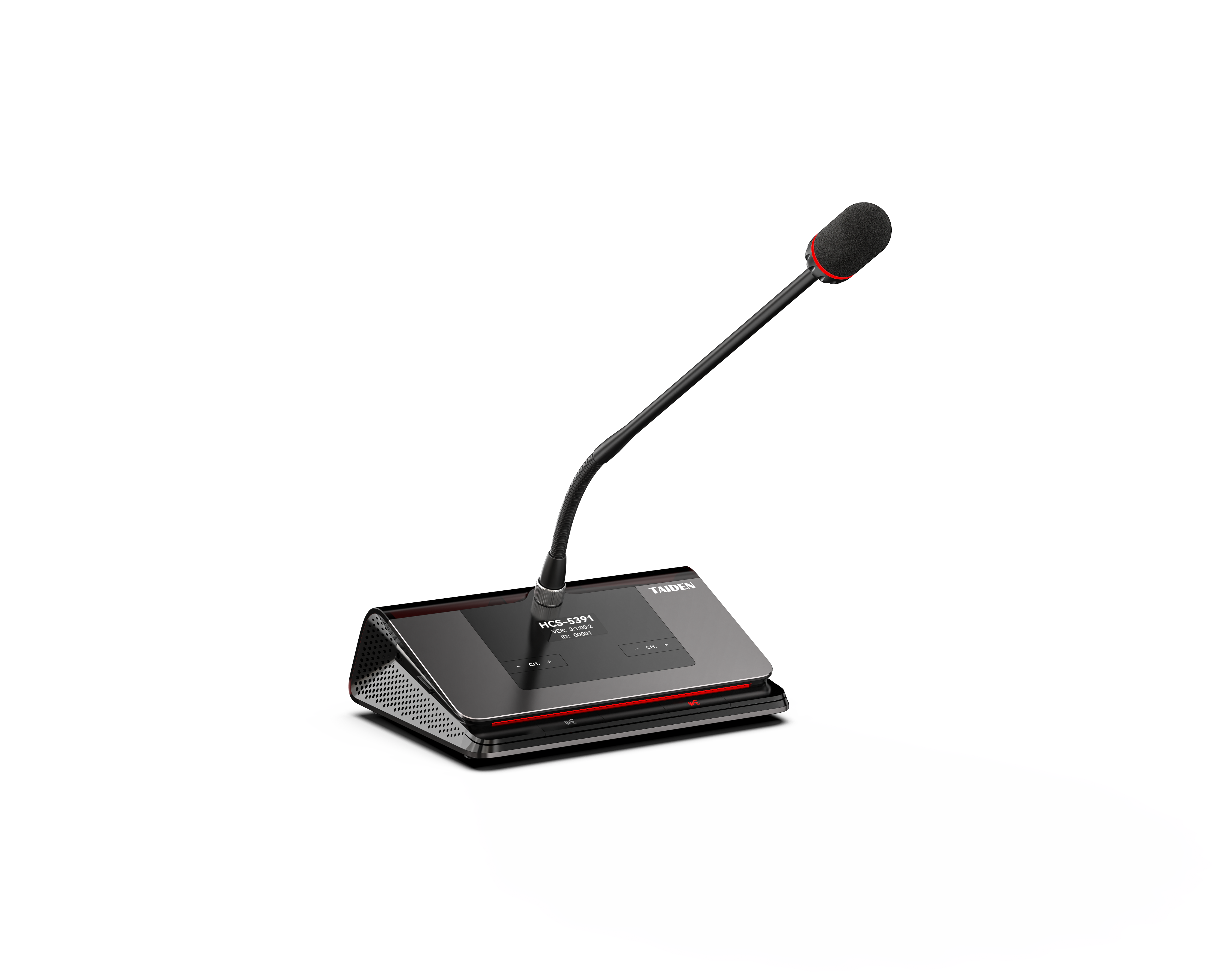
Quick recap, without repeating ourselves: RF is flexible but crowded; IR is bounded but private and stable. If your biggest risks are interruptions, leakage, or compliance, IR lowers them by design. If you travel between venues and need roaming across mixed spaces, RF still has reach. But many modern meeting rooms—governments, courts, boardrooms—value certainty over range. So, what should guide your pick? Three simple metrics: 1) Interference risk index—audit nearby RF loads and your tolerance for dropouts; 2) Privacy boundary—do you need hard, physical containment of signals; 3) Lifecycle effort—estimate hours per quarter spent on channel planning versus IR sightline maintenance. Track those for a month, then decide. Your best system is the one that removes the most work while keeping voices clear—strange how often the quiet choice wins. Learn more at TAIDEN.
