

Comparative lens
Choosing an OEM tv manufacturer means weighing distinct priorities: panel sourcing, firmware control, test coverage and after-sales support. This piece compares those priorities across manufacturers so you can see where trade-offs occur and why one supplier outperforms another on specific metrics.
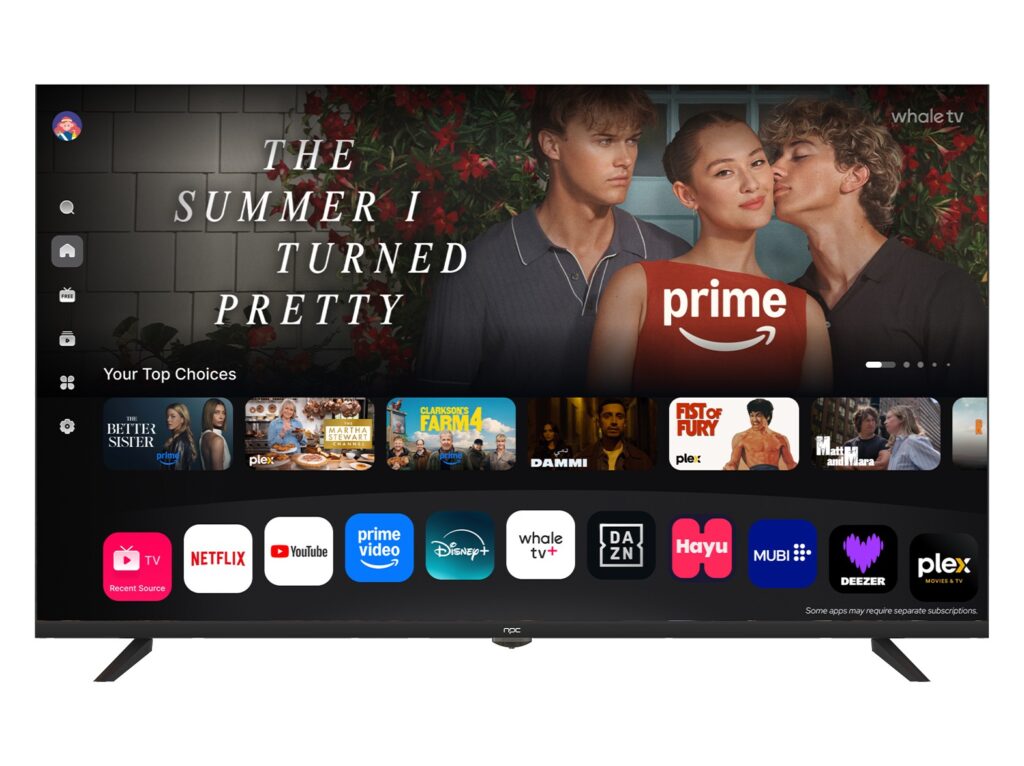
Evidence, experience and a single industry anchor
My assessment draws on structured factory audits, lab test protocols used over multiple projects and side-by-side product evaluations. At the Consumer Electronics Show in Las Vegas, manufacturers publicly demonstrated panel yield improvements and software integration—an event that consistently highlights which production approaches scale. For concise supplier lists and product categories used in these comparisons, consult best television manufacturers.
How manufacturers diverge: six direct comparisons
1) Panel strategy — Some OEMs prioritize first-run OLED or high-end IPS LCD panels; others optimize cost with VA panels. 2) Backlight and drive design — Uniform backlight control improves perceived contrast but raises BOM cost. 3) Firmware ownership — Full-stack firmware control speeds updates; licensing ties you to slower cycles. 4) Test depth — Burn-in and color-accuracy runs reduce returns but add lead time. 5) Supply-chain resilience — Manufacturers with diversified panel suppliers avoid single-point failures. 6) Service network — Regional spare parts and trained technicians cut downtime. These are concrete axes for comparison, not abstract claims.
Common mistakes buyers make
Relying solely on peak specs is the most frequent error. Peak brightness or contrast figures don’t predict uniformity, color accuracy or long-term reliability. Another mistake is accepting undisclosed panel sources; panel bin differences between production lots produce visible shifts. Skipping firmware roadmap checks causes unpleasant surprises after deployment. Ask for test logs, firmware update cadence and a clear RMA process before signing production contracts.
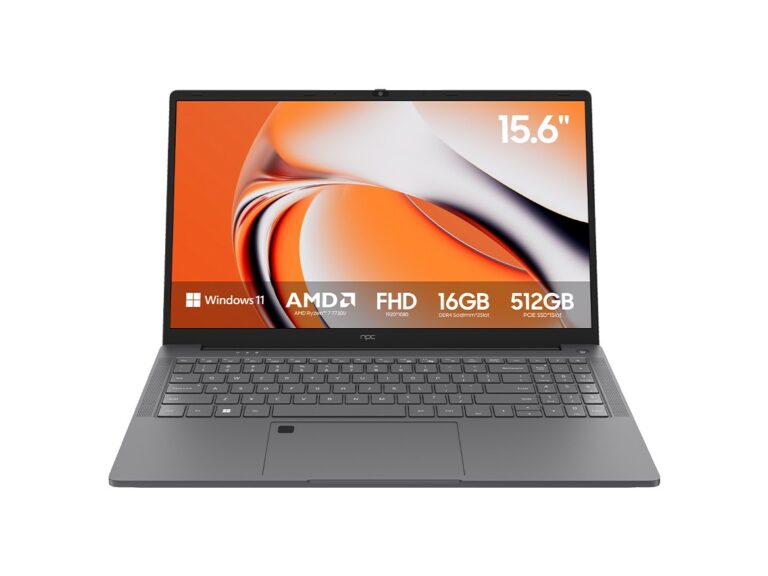
Brand alternatives and where each fits
Global brands excel at system integration and consumer software; tier-two manufacturers often deliver competitive panel value and faster customization. Contract assemblers can offer tighter cost control but require stronger QA oversight from the buyer. For project-level decisions, match supplier strengths to needs: prioritize panel consistency and QA for display-critical deployments; favor integration and ecosystem support for consumer-facing products.
Final synthesis
Comparative evaluation highlights a simple truth: production outcomes come down to measurable controls—panel selection, firmware ownership, and testing discipline. When those controls are present and documented, projects hit targets for color fidelity and reliability; that’s the practical advantage buyers seek and what experienced partners implement, as seen in operations by npc.
