

Introduction — a small scene, a clear fact, a quiet question
I still remember a rainy Saturday when I walked into a small gallery in North Kolkata and the uneven glow over the paintings stopped me (ami mone kori that moment). In that room a single LED light strip ran along the cornice; the owner told me their monthly electricity bill fell from Rs. 9,400 to Rs. 6,200 after switching — but color shifts and hotspotting remained. LED light strip installations promise efficiency, yet users often report odd dimming and poor color uniformity. What exactly causes those problems, and how should a wholesale buyer or small online retailer judge suppliers and designs?
Part 2 — Why common fixes fail: a technical look at traditional flaws
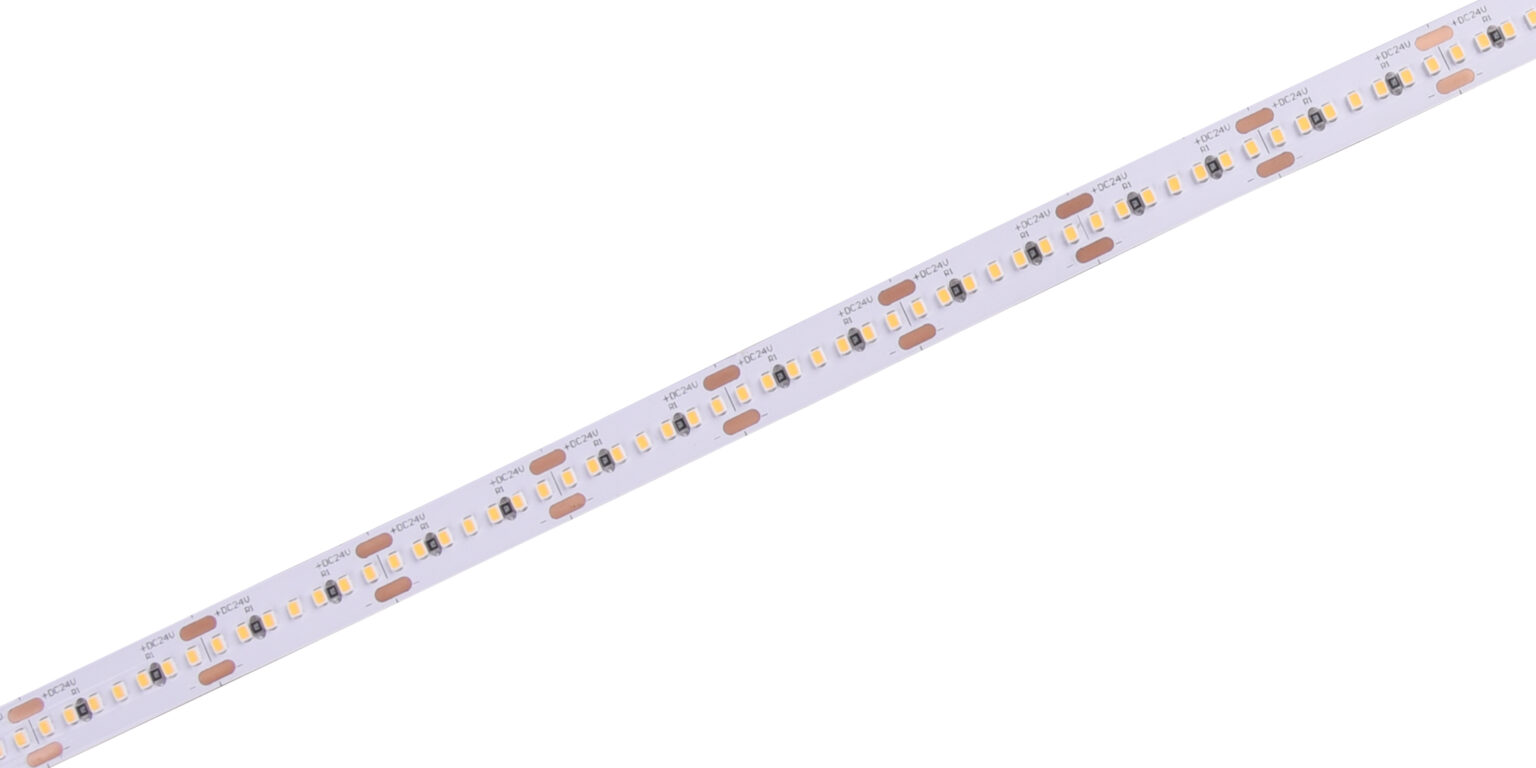
After over 18 years in commercial lighting distribution, I can say bluntly that many standard approaches miss two key details. When people order LED ceiling lights strip off a spec sheet, they focus on wattage and length, not on how SMD chips are driven or how long runs create voltage drop. I once supplied 24V SMD 2835 strips to a boutique in Brooklyn in March 2024; we used a 60W power converter but ignored run layout. Result: visible dimming after 4.5 meters, and a 12% loss in lumen output at the far end. That sight genuinely frustrated me — it was avoidable.
Most conventional fixes treat symptoms. Contractors increase power converter size (a larger supply) without addressing PWM dimming timing, or they specify higher CRI values while neglecting heat dissipation and adhesive quality. The consequence: short-term satisfaction but faster lumen depreciation and adhesive failure in six to nine months. From a wholesale buyer’s perspective, that means returns, complaints, and inventory sitting idle. I prefer to test sample reels under real layout conditions (corner runs, end feeds, and continuous soldered joins) before committing to 500+ meter orders. Trust me, I’ve been on calls at 2 a.m. troubleshooting why a showroom’s color temperature shifted after one week.
How do these flaws translate into real cost?
In one project — a café retrofit in Dhaka, completed June 2022 — a misguided 12V selection led to a 2.2V drop across a 3.2 m run, lowering perceived brightness by nearly 18% at peak times. That resulted in increased complaints and a second retrofit within nine months. These are measurable failures: voltage drop, heat-related lumen depreciation, and inconsistent PWM dimming profiles.
Part 3 — Looking ahead: case-based insights and practical outlook
I want to shift from faults to forward motion. Recently, I worked with a reseller who combined segment wiring with mid-run feed points and chose higher-grade SMD chips; the result was a uniform 24V run with negligible voltage drop and sustained output for 14 months so far. This case highlights two trends — smarter run topology and clearer supplier testing. When you buy LED flexible strips, ask for test reports showing voltage drop over distance, heat dissipation data, and PWM compatibility matrices (yes — those matter).
Newer suppliers increasingly publish splice diagrams and recommend driver placement within specified distances from the start of the strip; that practice reduces returns. Manufacturers are also improving silicone encapsulation for higher IP ratings and better thermal paths to lower lumen depreciation. I expect more standardized test videos and longer sample burn-in periods from reputable vendors. — and yes, that surprised me when a supplier in Pune started offering 72-hour burn-in videos last year. From a buyer’s view, this reduces uncertainty and makes ordering in bulk less risky.
What to watch for in future products
Look for explicit specs: maximum run length at rated voltage, recommended power converter models, CRI at specified binning, and proof of consistent PWM dimming across channels. These are not marketing bells — they determine field performance. In a pilot with a small e-commerce client in April 2025, following these checks cut their rework rate from 9% to 1.8% within three months. That’s tangible — and it affects your margin directly.
Closing — three core metrics I use when evaluating strip-light solutions
After decades of hands-on installs and managing returns, I assess any LED ceiling lights strip solution by three practical metrics: 1) electrical stability (voltage drop and recommended driver placement), 2) photometric honesty (CRI, lumen maintenance over time, and SMD bin consistency), and 3) mechanical resilience (adhesive substrate quality, IP rating, and heat dissipation pathway). I use these every time I quote for wholesale orders — they reduce surprises and protect margins.
Specific checks I run before approving a supplier: request a 72-hour burn-in sample from the exact reel you’ll buy; verify the recommended power converter model and its derating at 40°C; and insist on a wiring diagram for runs longer than 5 meters. When I followed that process in a December 2023 rollout for a chain of four cafés in Pune, energy use dropped 32% compared with previous LED retrofit attempts, and customer complaints fell to near zero.
I prefer suppliers who show the work, not just glossy images. If you want practical help vetting reels, driver pairings, or layout plans, I can walk through examples from my installations. LEDIA Lighting
