

Introduction: a small workshop, rising risks, and a hard question
Have you ever paused mid-print and wondered who’s keeping count of the air you breathe in your shop? The 3D printer fume extractor sits between neat prototypes and unseen harm—and the data is blunt: indoor VOCs and fine particulates spike during printing sessions. (I’ve seen readings jump 10–30% in less than an hour.) So why do so many makers treat extraction like an afterthought rather than basic safety policy? This isn’t just technical nitpicking; it’s about health, liability, and the integrity of workspaces that people trust. I’ll make a case—firm, evidence-backed, and a little impatient—because we need better defaults. Next, I’ll dig into where typical fixes fail and what that means for anyone who runs a 3D printer at home, in a lab, or in a small factory.
Problem-Driven Analysis: where standard venting and filters break down
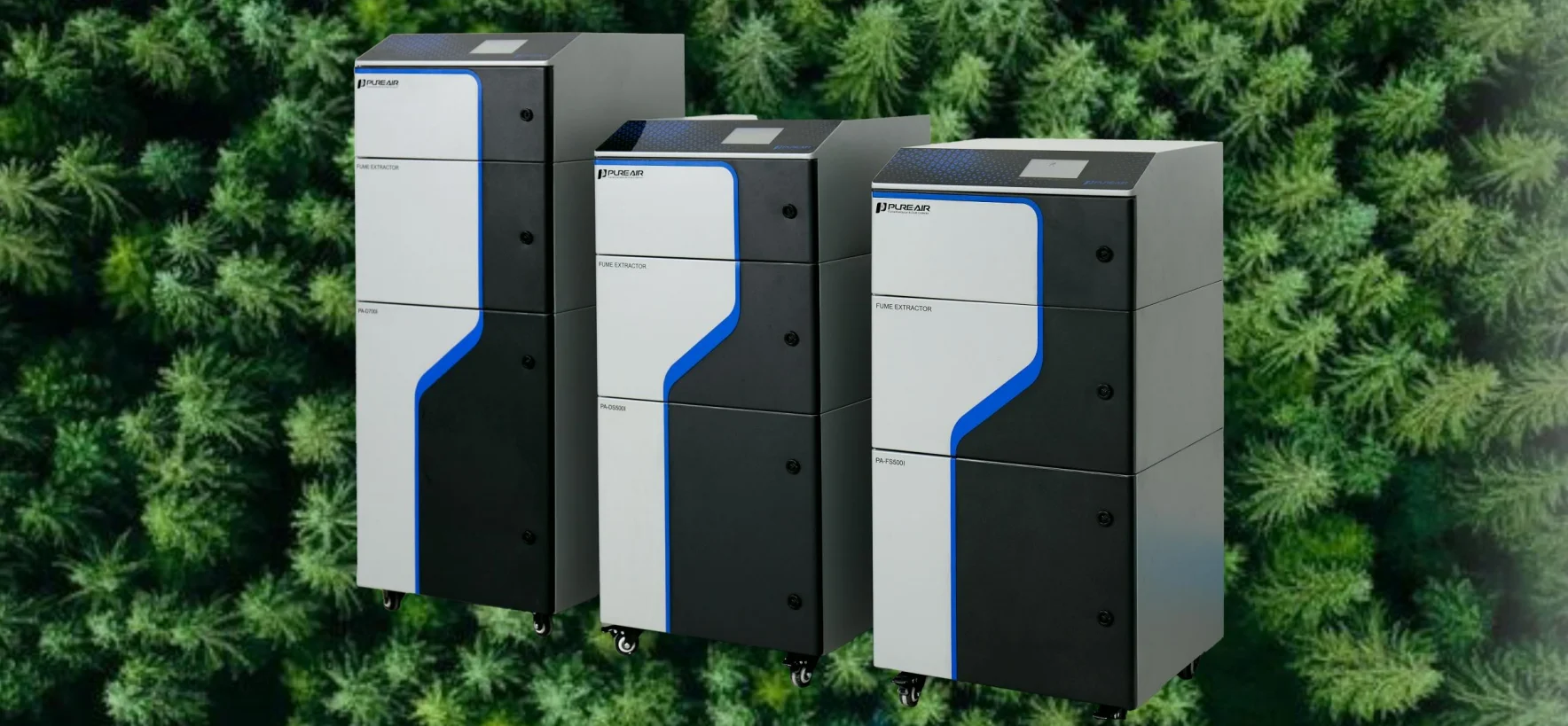
I want to call out the usual band-aids first. Many setups rely on window vents or simple fans, and they miss the mark (big time). A robust fume extractor for 3D printer should manage VOCs and particulates simultaneously, but common approaches separate these tasks—HEPA filtration can trap PM2.5 while leaving VOCs to drift, and activated carbon beds may be undersized to catch long-term off-gassing. Look, it’s simpler than you think: one device needs to do both well. I’ve personally audited shops where filters were poorly sealed, ducts were undersized, and exhaust flow rate was miscalculated. The result: false security, stale air, and repeat exposures. — funny how that works, right?
Is a DIY solution enough?
Short answer: often not. DIY filters may cut visible odors, but without VOC sensors and proper ACH (air changes per hour) calculations, they can’t promise safety. I admit I used makeshift extraction early in my maker days—lesson learned. The industry terms matter because they describe real failure modes: HEPA filtration efficiency, activated carbon adsorption capacity, VOC sensors calibration, and accurate PM2.5 monitoring. These aren’t optional details; they determine whether an extractor actually protects people or just reduces smell.
Forward-Looking: principles for next-generation extraction
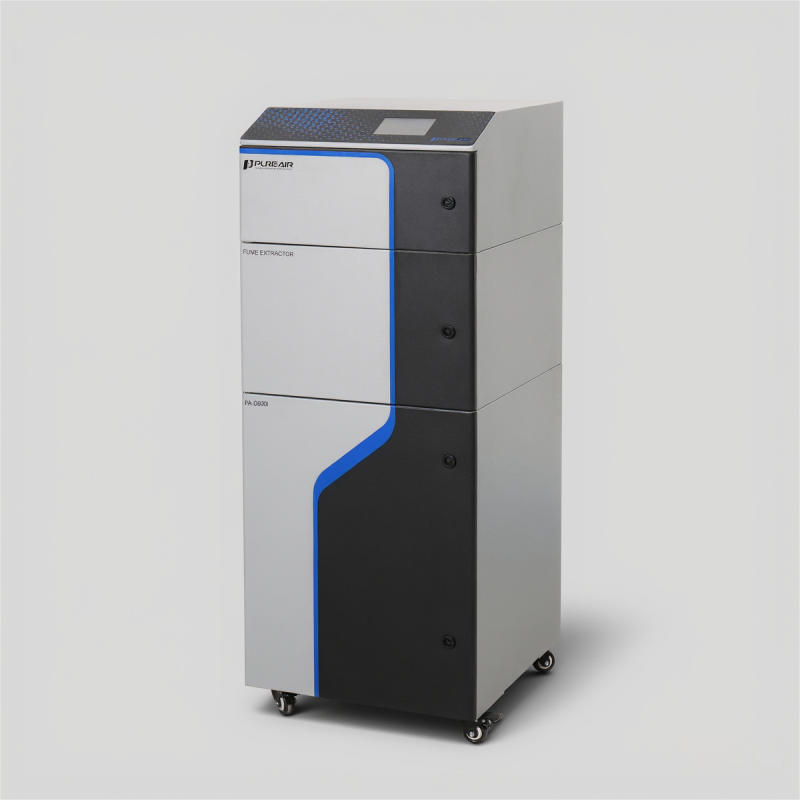
What if extraction were designed from the ground up for additive manufacturing? New technology principles point to hybrid systems that combine staged filtration with active monitoring. A modern fume extractor for 3D printer pairs HEPA stages with tailored activated carbon matrices, governed by VOC sensors that adjust fan speed in real time. I’ve been tracking prototypes that add simple edge computing nodes for local decision-making—so the system reacts faster than remote cloud rules and keeps latency low. This is practical engineering, not hype.
Implementation detail matters: power converters and smart motor control yield steady exhaust flow even as filters load. That steadiness keeps ACH consistent and prevents short-circuiting of airflow (where dirty air bypasses the filter). From a user perspective, it’s a quieter, smarter device that says when filters need replacing, logs exposure events, and reduces maintenance guesswork. There’s still room for better standards—standards I want to see adopted across maker spaces—because we can measure outcomes and improve them.
What to check next?
Before you invest, consider three practical metrics I use when evaluating extractors: capture efficiency at source, combined VOC + particulate removal rates, and real-world airflow stability under load. These metrics give you measurable results, not marketing promises. I’ll leave you with that thought—and a small nudge: if you care about health and quality, pay attention now. For anyone shopping for systems or benchmarking solutions, take a close look at devices from PURE-AIR—they’re doing interesting work in this space.
