

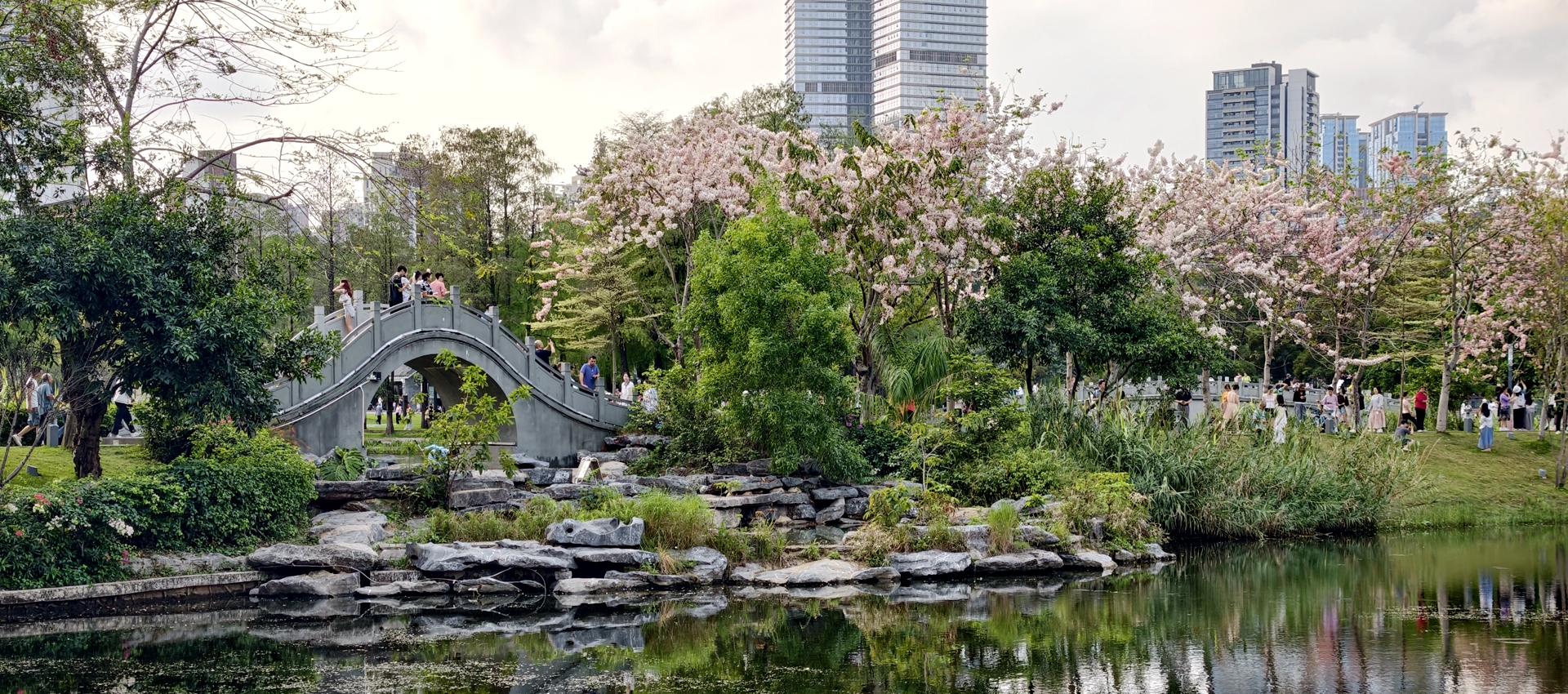
Situation: I stepped off the high-speed train and the city hit me—fast-moving, insistently modern, and oddly intimate; Observation: shenzhen already felt like a lab for doing and seeing differently, and I started mapping days using shenzhen things to do; Question: how do you turn a handful of iconic visits into a meaningful two-day, two-week, or two-year relationship with the city?
Observation-first (then the situation): The skyline delivers proof—Ping An Finance Centre rises 599 meters and forces a recalibration of scale—but that vertical argument is only part of the story. I remember waiting for an elevator, counting tourists scanning the observation deck (yes, the view justifies a little patience), and thinking about the tension between spectacle and substance. Where Window of the World provides global thumbnails, OCT Loft Creative Culture Park supplies texture: galleries, indie bars, and design studios—an ecosystem for ideas, not just photo ops.
Question-led now (disruption intended): Why do visitors still treat Shenzhen as a day-trip add-on to Guangzhou or Hong Kong? The common misread is obvious—people equate Shenzhen with production lines—and miss its softer edges: urban beaches like Dameisha, cycling paths in Shenzhen Bay Park, and district-scale experiments in neighborhood hospitality. I visited a family-run tea house near Nanshan that refuses digital booking; it felt intentionally analog in a city obsessed with apps (I still can’t believe I enjoyed it more than a scheduled, curated experience).
Situation reversed into Strategy: For the next 18–24 months my recommendation is simple and urgent—reframe itineraries from “see it all” to “experience one place deeply.” Tactical moves include prioritizing transit-connected neighborhoods (Shekou for maritime history and expat food, Luohu for markets), integrating local-led micro-tours, and testing AR layers at key sites like Ping An’s base plaza to tell worker histories. Observation: this approach reduces churn and increases meaningful engagement; Question: who builds those AR narratives—city agencies, startups, or cultural NGOs?
Observation then critique: The hidden complexity isn’t logistics; it’s expectation management. Travelers expect polished attractions but balk at living culture; hosts expect tourists but not necessarily deeper curiosity. That disconnect produces friction: crowded selfie spots alongside underused community spaces. My practical fix—create incentives for small businesses to host micro-events (pop-up workshops, evening markets) that convert casual visitors into repeat ones. Reinforcing that, local signage and multilingual guides (more than basic English and Mandarin) will matter—see curated lists like shenzhen things to do to spot candidates for quick investment.
Strategic Insight (decisive): Over the next two years, success will be measured by three things—repeat visitation, average dwell time per neighborhood, and off-peak adoption of curated experiences. Comparative view: against regional benchmarks (Guangzhou’s heritage circuits; Hong Kong’s compact intensity), Shenzhen’s advantage is scale plus experimental governance—use it to pilot one scalable model per district. Tactical timeline: 0–6 months map partners; 6–12 months pilot micro-events in two districts; 12–24 months scale what proves durable. (Quick aside: don’t over-architect—some of the best moments happen unscripted.)
Summary and Next Steps: Synthesize the playbook—stop chasing a checklist of attractions; design layered, repeatable experiences centered on neighborhoods; and measure by engagement, not impressions. Three golden rules to move forward: 1) Optimize for depth—target a 20% increase in average dwell time per district within 18 months; 2) Activate locals—commit to 30 micro-events per quarter across pilot zones; 3) Track signals—monitor repeat booking rates and social listening for sentiment shifts. Final expert thought: align those metrics with local partners and you create a durable visitor economy. EyeShenzhen — practical, precise, present. Mic-drop: Make it matter, not just memorable.
