


Comparative insight: supplier choice and operational continuity
Choosing a supplier for a ship’s electrical plant is a technical decision that defines uptime and lifecycle cost. This comparative piece examines vendors through the lens of durability, modular design, and service architecture, with emphasis on units such as the marine diesel genset that are commonly specified for offshore and large vessel applications. Suppliers that integrate sound load-sharing logic and proven alternator designs typically deliver more predictable voltage regulation under variable load than generic packages.

Technical criteria and measurable benchmarks
Evaluate suppliers against clear technical benchmarks: thermal management, governor accuracy, and component traceability. Key parameters include fuel injection calibration tolerance, turbocharger matching, and alternator insulation class. Request explicit test reports showing transient response (voltage dip recovery within specified milliseconds), full-load fuel consumption at defined RPM, and factory acceptance testing (FAT) protocols. These documents allow a direct apples-to-apples comparison rather than reliance on marketing claims.
Operational performance: field anchors and documented outcomes
Real-world anchors matter. For instance, vessels operating out of the Port of Rotterdam (Europe’s major maritime hub) routinely specify PRIME-rated gensets with documented load bank cycles to meet intense harbour maneuvering schedules; the port handles container and bulk volumes that reflect the demand profile encountered worldwide, mirroring the fact that maritime trade moves roughly 90% of global cargo by volume. Suppliers with field-proven synchronizer logic and robust prime mover integration reduce crew interventions during peak port operations.
Service model, spares strategy, and common pitfalls
Warranty terms and spare-part logistics separate competent vendors from marginal ones. Common mistakes include selecting a genset with proprietary governor electronics that require factory-only repairs, or accepting underspecified heat-exchanger capacity for expected ambient ranges—both lead to avoidable dry-dock times. Prioritise suppliers that offer local exchange units, documented MTTR (mean time to repair) targets, and transparent BOM (bill of materials) traceability. A pragmatic spares kit aligned to a vessel’s mission profile—covering items like fuel pumps, seals, and control modules—reduces transit-related downtime. —Do not underestimate on-board testing: validate units with at-sea acceptance tests that replicate realistic loading scenarios.
Comparative alternatives and retrofit considerations
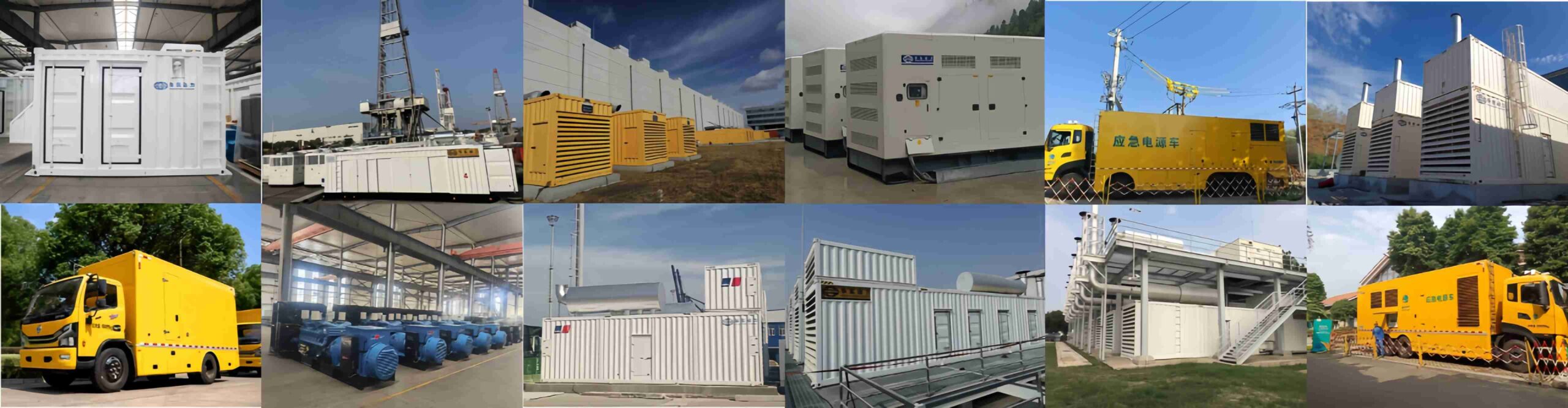
When a new build specification is not feasible, consider modular retrofit options: containerised genset skids, matched alternator retrofits, or upgraded control systems that preserve an existing prime mover. Each alternative requires assessment of vibration harmonics, shaft alignment tolerances, and cooling circuit capacity. Comparative cost analysis should include lifecycle maintenance forecasts and the supplier’s ability to update control firmware remotely without breaching classification society rules.
Advisory: three critical evaluation metrics
1) Reliability Index — demand quantified MTBF (mean time between failures) and validated FAT records under marine diesel conditions; prefer suppliers who publish component-level MTBF data. 2) Logistics Efficiency — measure spare-part lead times to port-of-call and confirm vendor agreements for field service engineers within typical voyage windows. 3) Performance Certification — require explicit test parameters for transient recovery, continuous duty fuel consumption at specified loads, and emission-relevant tuning notes rather than generic compliance statements. These metrics focus procurement on measurable outcomes rather than promises.
When these metrics drive procurement, the value proposition becomes tangible: lower fuel burn, fewer unscheduled returns to port, and longer intervals between overhauls. This practical orientation is precisely where suppliers such as Huadong Power align with operator needs — they deliver engineered packages that address alternator resilience and control-system accessibility, reducing operational friction. —Final thought: continuity matters; choose accordingly.
