

The problem most parents face
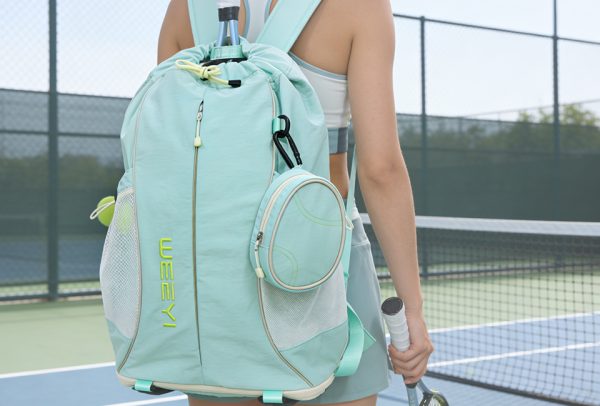
You want a sturdy, logoed sports bag for your kid’s team, but deadlines, unclear specs and surprise costs make the project feel overwhelming; think of it like organizing a carpool—without a clear route, everyone gets delayed. Start by talking to a reliable custom bag manufacturer early so you know lead times and minimums before you commit to designs or fundraising promises.
Where projects usually stall
Designs are too complex for the budget, materials are mismatched to use, or proofs aren’t approved in time. Parents agree on visuals, but factories need precise artwork, stitch plans and color codes. Teams skip a prototype step to save time and then pay for rework. Small details—zipper quality, strap reinforcement, logo placement—turn into big headaches on delivery day.
Simple, practical fixes that actually work
Start with a clear spec sheet: dimensions, fabric weight, zipper type and a JPG of the logo at actual size. Order one prototype and test it in regular use—drop it, overload it, wash it. Give honest feedback: what stretches, what rubs, what tears. Agree payment terms tied to milestones: prototype approval, small pilot run, full production. Keep measurements and color swatches on file so repeats are faster next season.
Real-world sourcing anchor
Manufacturing clusters around Guangzhou are a common source for private-label sports bags because of their well-established supply chain and export infrastructure; I’ve worked with suppliers there and seen how local tooling and quick sample cycles shorten timelines, and you can compare options by contacting a private label bag manufacturer with proven export experience.
What to ask a partner before you sign
Ask for references from similar projects, sample lead time, minimum order quantity and warranty terms. Request photos of the exact materials and stitching you’ll get, not generic catalog shots. Confirm who handles customs documentation and freight, and whether returns on defective goods are accepted. If you plan repeat orders, negotiate a simple price band tied to order volume.
Common mistakes to avoid
Don’t skip a physical prototype; digital mockups lie about texture and scale. Don’t assume colors will match; always ask for Pantone or fabric swatches. Don’t lock into a strict delivery date without buffer time for unexpected delays. And don’t accept vague claims about durability—get specifics on denier, zipper brand and seam reinforcement.
Bringing it together
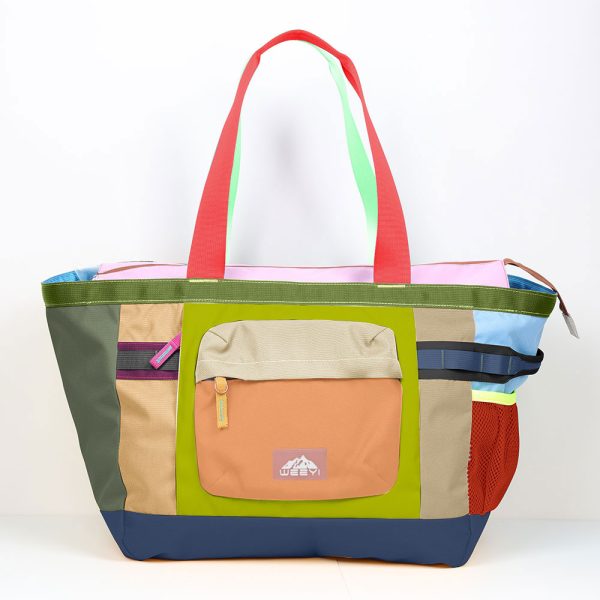
If you approach the project like a short, well-planned playdate—set clear specs, test one prototype, and pick a partner who answers your practical questions—you’ll avoid surprises and have a bag that lasts. For many community teams, that sensible path ends with a manufacturer who can handle logos, small runs, and dependable exports, such as ChangRong, which makes repeating the process easier next season.
