

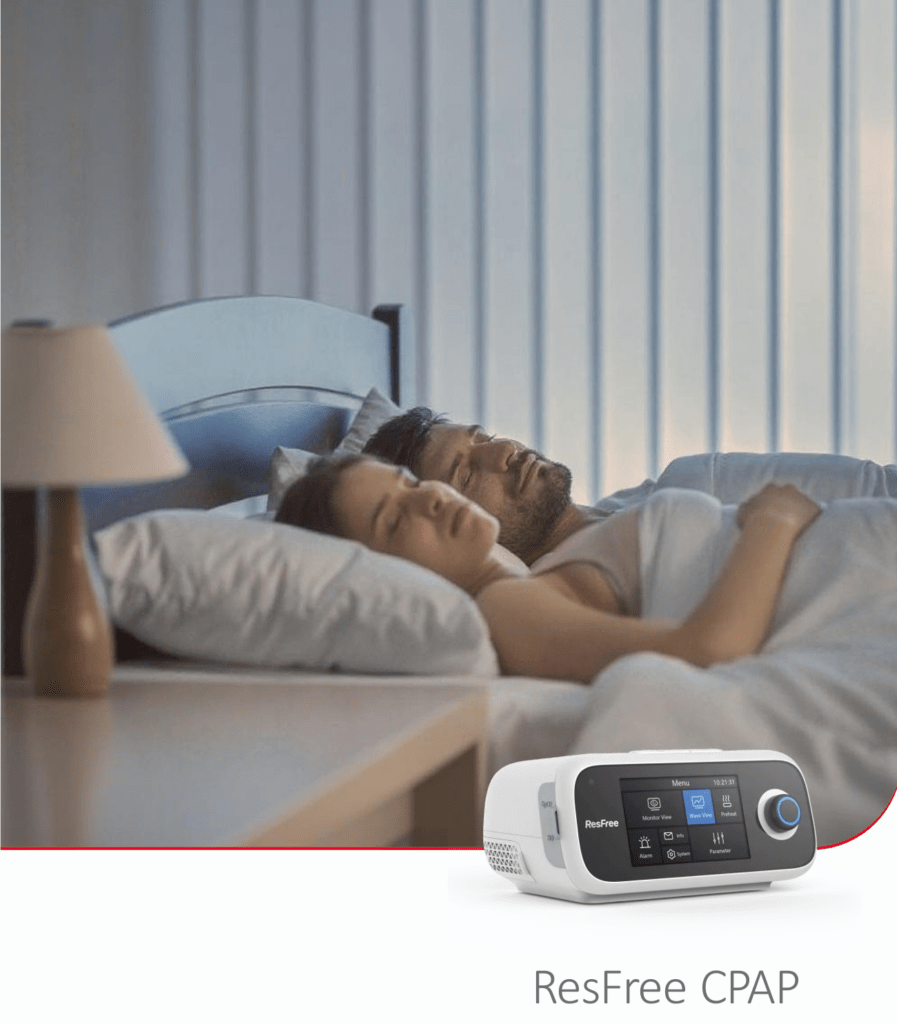
User-first thinking in respiratory support
I’ve cared for people who live with breathlessness long enough to know the small things matter: quiet motors, easy buttons, a mask that doesn’t bruise. That’s why a patient-centered view of devices — from a simple cpap device to more sophisticated BiPAP systems — changes outcomes. When folks can sleep, speak, and move without constant fussing, adherence goes up and hospital visits fall. WHO lists COPD among the top three causes of death globally, and that reality keeps the conversation anchored in practical care improvements.
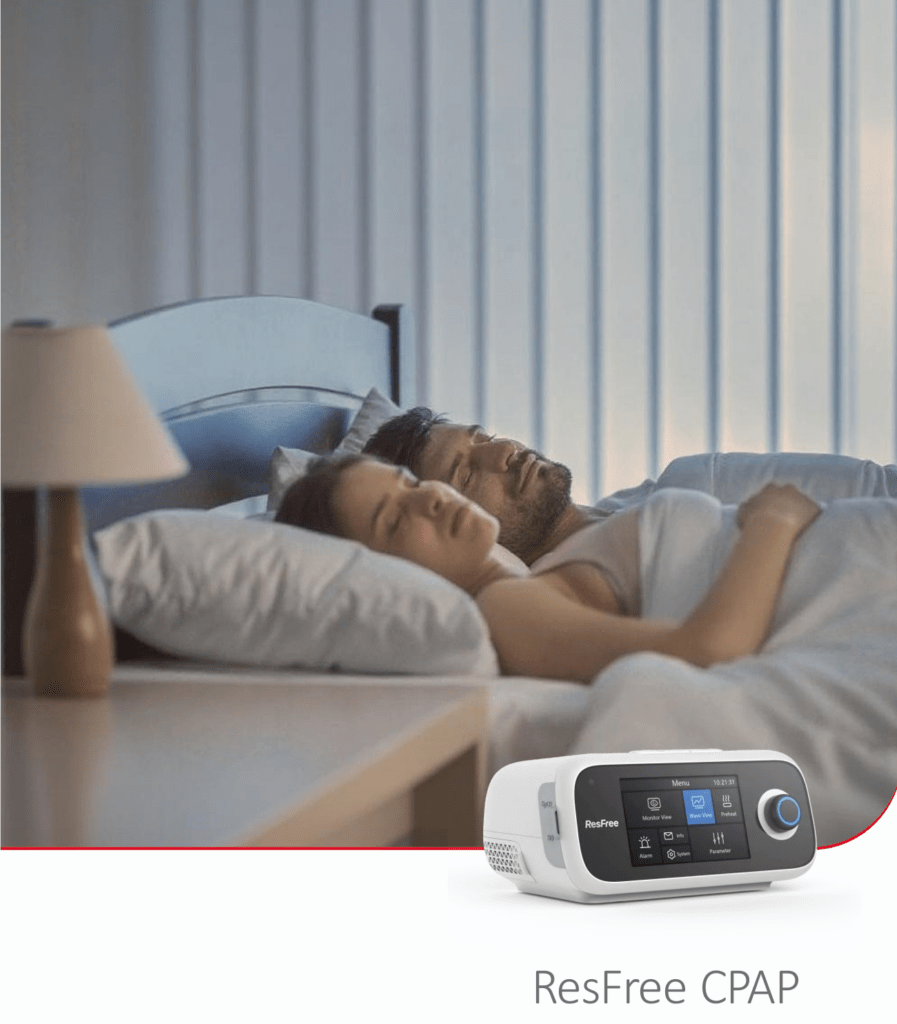
Why the bedside experience guides device choice
Clinicians and caregivers notice the same things as patients: fit, noise, and reliability. Mask interface, pressure support, and ease of cleaning shape daily use. Noninvasive ventilation works only when the person can tolerate it; then you get real benefits like better sleep and fewer exacerbations. In my years around a community pulmonary clinic, the devices people actually used were the ones that respected dignity as much as physiology.
Key components patients will feel first
Comfort comes from three simple engineering choices: a forgiving mask interface, predictable pressure delivery, and intuitive controls. BiPAP’s ability to vary inspiratory and expiratory pressure helps with comfort and ventilation; CPAP keeps the airway open with a steady pressure. Tidal volume and leak compensation matter, but the user notices the noise and the strap more — that’s where good design wins.
Common mistakes to avoid — learned the hard way
People swap devices without checking the basics. They assume higher pressure equals better breathing, or they buy compact units and then struggle with maintenance. Don’t skimp on fitting sessions or skip mask trials — those cost more in frustration than in money. Also avoid mismatching device algorithms to the patient: some machines are tuned for obstructive sleep apnea, others for chronic respiratory failure; the wrong algorithm can raise alarms and push users away. — Remember to match the therapy to daily life, not an ideal clinic setting.
Comparing practical options and alternatives
Choices run from simple CPAP-style devices to full home ventilators. For many with chronic obstructive conditions, the trade-off is between simplicity and control: simpler machines win on ease of use, advanced units win on fine-tuning tidal volume and pressure support. If you’re evaluating options, try devices in real conditions — reading specs won’t tell you how a mask sits after two hours or how alarms behave at 3 a.m. For those focused on long-term at-home management, consider established breathing machines for copd alongside newer hybrid systems that blend comfort with clinical control.
Three golden rules when choosing breath-support gear
1) Measure real-world fit: ensure the mask and interface are trialed during sleep and daily activities; comfort predicts long-term use.
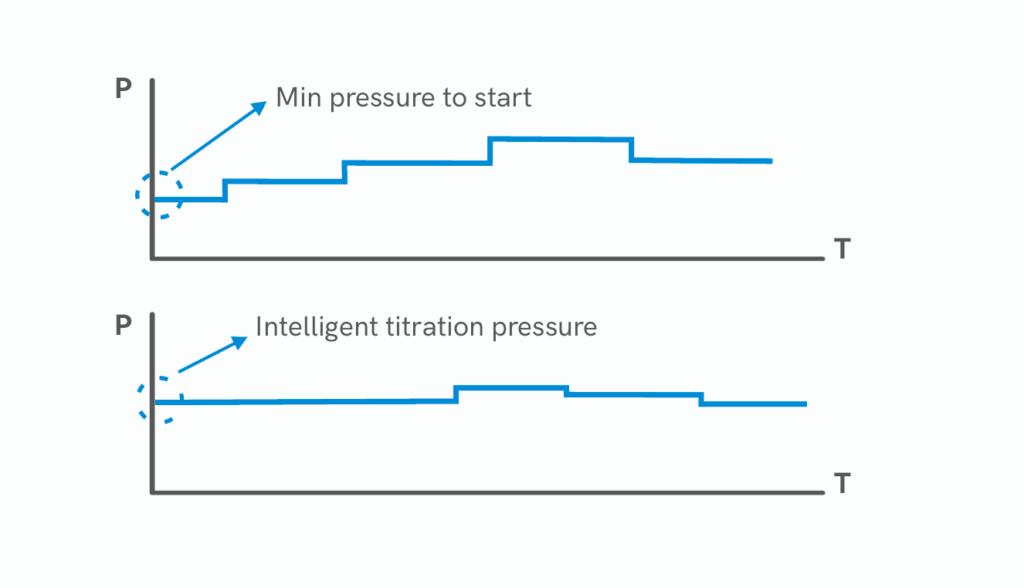
2) Prioritize adaptive algorithms: choose equipment that adjusts leak compensation and pressure support automatically so alarms stay meaningful rather than constant.
3) Validate service and training: the best device is only as good as the support network—training for the patient, caregiver, and a clear maintenance plan keep it working.
Closing reflection and the practical value of good design
Devices that respect daily life restore much more than breathing; they restore freedom to plan a morning walk or a dinner out without anxiety. Manufacturers and clinics that combine sensible hardware with solid patient teaching solve problems at the source. Byond.
– thoughtful experience matters.
