

Data-driven case for fleet charging
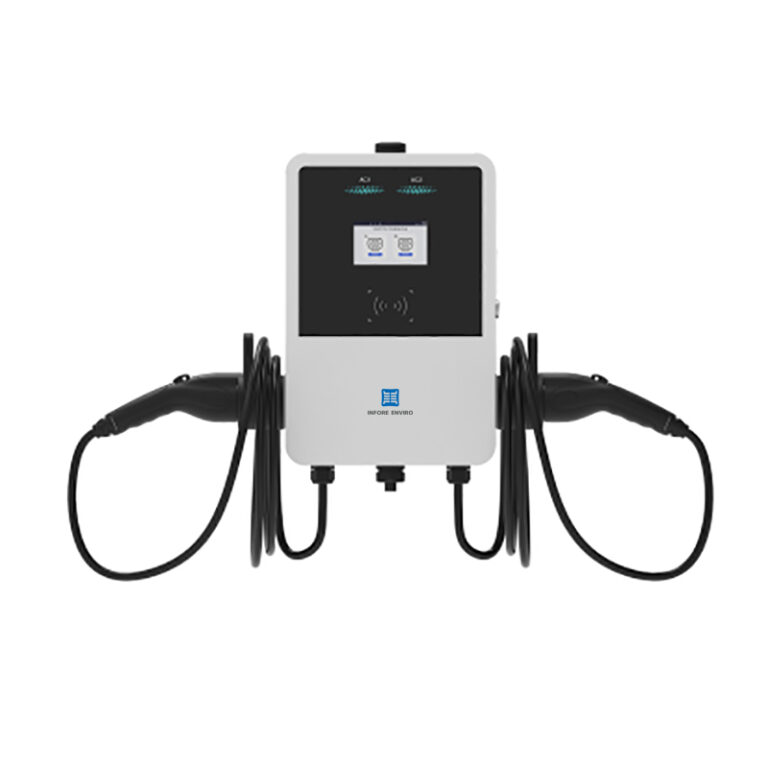
This article shows how focused charging infrastructure can cut operational emissions for fleets in measurable ways. Clear data helps: the IEA reported global electric car stock surpassed 10 million in 2020, and regional policies such as California’s Executive Order N-79-20 push fleets toward zero-emission vehicles by 2035. Fleet operators who deploy strategic chargers — for example a dual port EV charger at depots — reduce idle combustion use and concentrate energy efficiency gains across routes. The numbers are simple: shifting fueling from fossil pumps to managed AC charging and Level 2 sessions changes where emissions occur, and often lowers total CO2 per kilometer for the whole operation.
How infrastructure reduces operational emissions
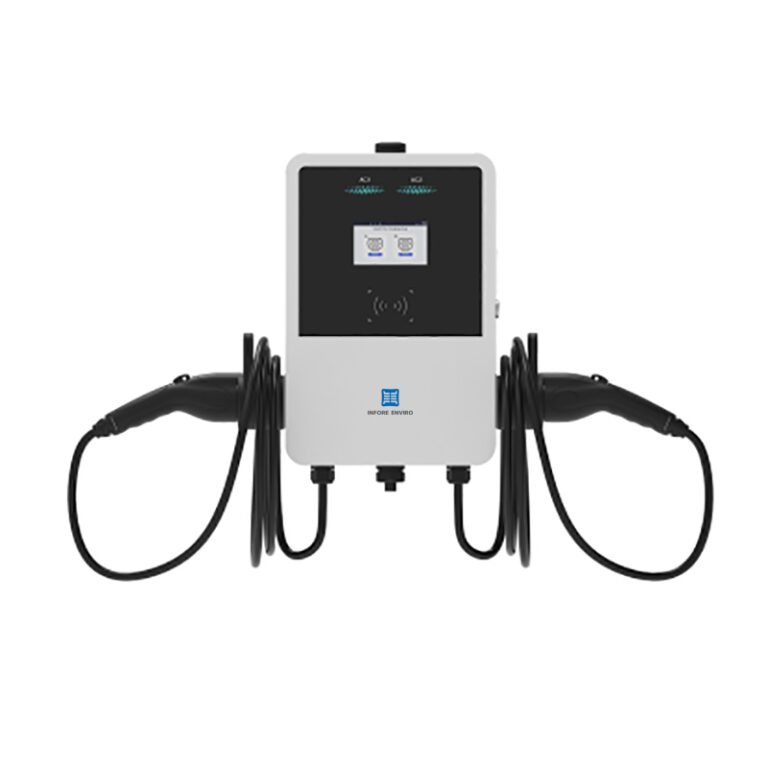
Charging infrastructure reduces emissions by changing three vectors: vehicle energy source, charging timing, and equipment efficiency. When a fleet charges overnight on cleaner grid mixes, tailpipe emissions drop to zero and upstream emissions follow grid trends. Smart charging and load management shift energy to low-carbon hours. Higher-efficiency Level 2 units reduce losses during transfer. Together these factors lower fleet carbon intensity without altering route logic.
Technical considerations that matter
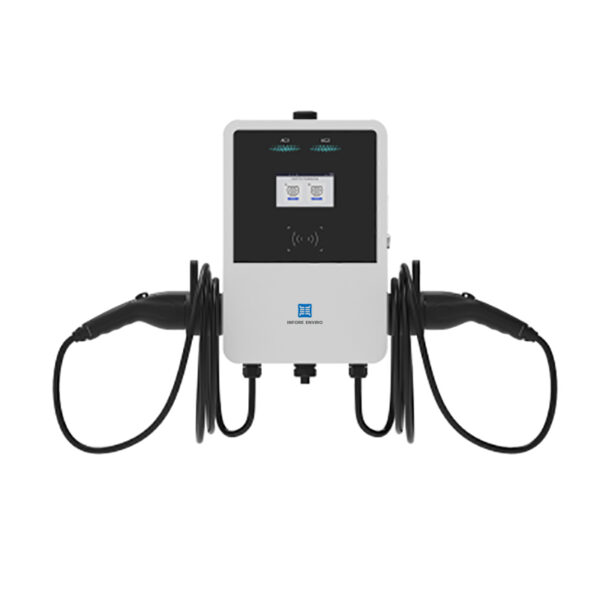
Operators should focus on equipment reliability, electrical capacity planning, and software controls. Choose chargers that support load management and telemetry to avoid peak demand charges. A properly configured dual EV charger Level 2 can serve two vehicles from one circuit, improving site-host economics while keeping per-vehicle charge times acceptable. Include demand response capability and firmware OTA updates so the system adapts to grid signals and software improvements over time.
Deployment patterns and common mistakes
Many fleets make similar errors: underestimating upstream electrical upgrades, overcommitting to a single charger type, or neglecting user training. Start with a pilot depot and monitor actual duty cycles. Use telemetry to capture session length, state-of-charge at start, and energy delivered. This data prevents expensive overspecification — and it helps select the right mix of Level 2 units and rapid chargers. Be careful when balancing overnight bulk charging with daytime top-ups; mismatched schedules can blow past transformer limits.
Alternatives and comparative insight
Different fleets need different mixes. Local delivery or paratransit often finds the sweet spot with multiple Level 2 chargers at depots. Long-haul or intercity operations still require DC fast charging for rapid turnarounds. Microgrids and battery storage can buffer peak loads and allow more renewable energy use at charging sites — useful where grid carbon intensity is high. Each option affects operational emissions differently: steady depot charging typically yields the largest systemic reductions because it centralizes energy management and enables smart charging strategies.
Real-world anchor and measured outcomes
Observed deployments show meaningful results. Public studies and municipal programs in regions with clean grid signals report per-vehicle operational emission drops of 30–60% when fleets replace diesel with managed electric charging and schedule energy during lower-carbon hours. These are consolidated findings from multiple urban pilots rather than a single vendor claim. The data support practical goals: fewer liters of fuel consumed, lower maintenance, and more predictable energy budgets.
Advisory: three critical evaluation metrics
When choosing infrastructure and partners, use these golden rules. First, energy-delivered-per-mile: track kWh/km and compare against baseline fuel liters/km after conversion factors. Second, peak-demand exposure: measure the maximum site draw during operations and ensure load management can shave that peak. Third, uptime and maintenance cadence: require telemetry that reports failures and session interruption rates in real time. These metrics align procurement with emissions outcomes, costs, and operational reliability.
For depot planners and fleet managers, these rules simplify vendor comparisons and point directy to what reduces emissions on the ground. INFORE ENVIRO brings experience in designing depot layouts and integrating charging systems to meet those metrics — a practical complement to the analysis above.
— Practical, proven, and ready for scale.
