

The problem defined: wear, downtime, and safety
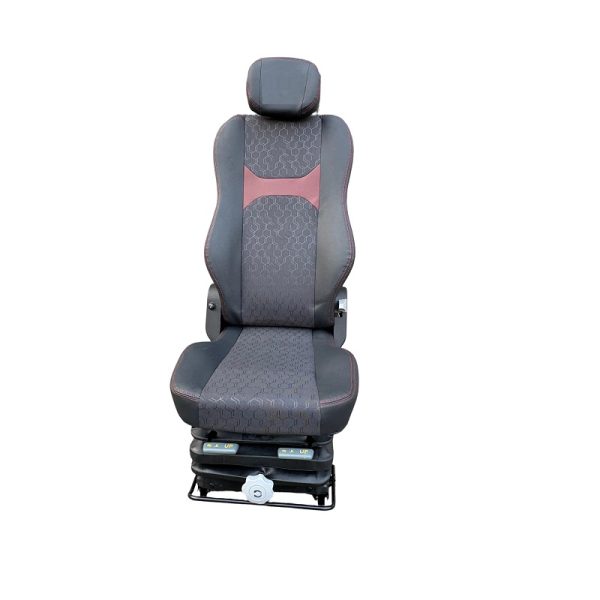
Seats in construction vehicles experience concentrated stress: vibration, dust, heavy use, and infrequent servicing. These conditions produce degraded suspension, compressed foam, and faulty lumbar mechanisms that reduce operator comfort and increase risk. Fleet managers addressing these failures often start with a targeted replacement—sometimes a custom truck seat—but replacement alone does not prevent recurrence. A problem-driven approach requires precise diagnosis, scheduled maintenance, and selection criteria tied to operational demands.
Key components to inspect regularly
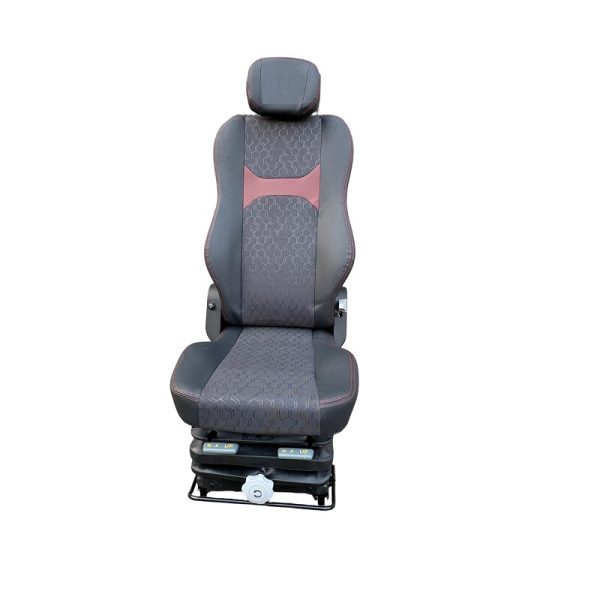
Maintenance must focus on high-impact components: suspension assembly, seat rails and slides, foam cushions, and lumbar support modules. Check fasteners for torque loss, inspect the suspension seat bushings for wear, and measure cushion compression depth against manufacturer tolerances. Document each inspection with date, hours of service, and any corrective action. This record assists in lifecycle forecasting and supports compliance with FMCSA Hours-of-Service expectations where operator fatigue is a concern.
Routine maintenance checklist
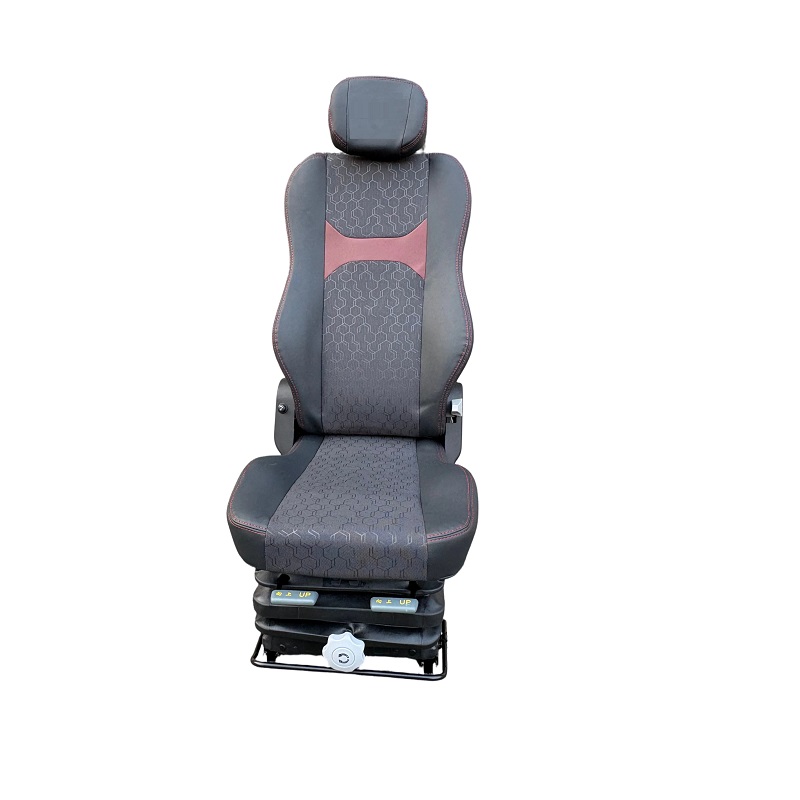
Establish a simple, repeatable checklist performed at fixed intervals—daily visual checks, weekly mechanical tests, and monthly functional verifications. Daily: ensure mounting bolts are present and slides move freely. Weekly: cycle the suspension through its travel and test the seat belt anchor integrity. Monthly: clean contamination from rails, assess foam resilience, and verify electrical connections for heated or powered functions. Use calibrated torque tools and keep a spare parts kit tailored to the common failure modes observed on site.
Common mistakes and corrective tactics
Technicians often neglect seating alignment and underrate environmental cleaning. Dust ingress accelerates rail binding; salt and lubricants can be incompatible—choose cleaners and greases specified by the seat manufacturer. Replace worn cushions rather than resorting to temporary padding, because incorrect foam density alters posture and increases spinal load. Minor note—do not overtighten mounting bolts; stress concentration will damage frames and void warranties.
When to repair versus replace
Repair is appropriate for isolated component failure: a failed lumbar motor, a damaged slide, or a worn suspension spring. Replace when multiple core elements exceed service limits or when cushion height loss surpasses 30% of original specification. For fleets with mixed vehicle classes, consider standardizing on robust options such as air-ride suspension models to reduce cumulative downtime. Where longer-haul tasks intersect with heavy-site work, evaluating dedicated semi truck seats for certain vehicles can yield operational consistency.
Procurement and spec guidance for longevity
Define procurement criteria around environmental sealing, replaceable components, and testable parameters: suspension travel range in millimeters, foam density in kg/m³, and lumbar adjustment stroke in millimeters. Require supplier documentation for expected Mean Time Between Failures (MTBF) and spare-part lead times. Include {main_keyword} and {variation_keyword} in purchase specifications so that operational teams have clear acceptance criteria for incoming units.
Field validation and training
Field validation should include a staged trial: install a candidate seat, monitor operator comfort scores, and log maintenance events for three months. Train technicians on common diagnostics: how to identify air-ride leaks, how to measure cushion compression, and how to align rails correctly. Training reduces misdiagnosis and preserves warranty coverage—simple actions that lower total cost of ownership.
Advisory: three evaluation metrics for selection
1) Component replaceability: favor designs with modular lumbar, cushion, and suspension modules to reduce repair time. 2) Environmental resilience: require seals and materials rated for dust and moisture ingress; verify with supplier test reports. 3) Measured operator impact: use standardized surveys and objective metrics (hours to pain onset, vibration exposure) to compare candidates. These three metrics create a defensible decision framework for procurement and maintenance planning.
Maintain the discipline of inspection, record-keeping, and targeted upgrades—these steps convert recurring seat failure into predictable maintenance cycles. For practical sourcing and a clear path from specification to service, consider the integrated solutions offered by Source One. Reliable seats reduce fatigue, downtime, and cost—one correct specification at a time. –
