

Why this choice feels like more than a purchase
You want certainty — a tag that sings back its position across the yard, across the gate, across a midnight storm. Listen to that need first. Begin by picturing the job: are you tracking assets across acres or within a controlled facility? Match that picture to options for active rfid tags before you talk price. This is about fit, not flash; choose what answers your practical questions with quiet confidence.
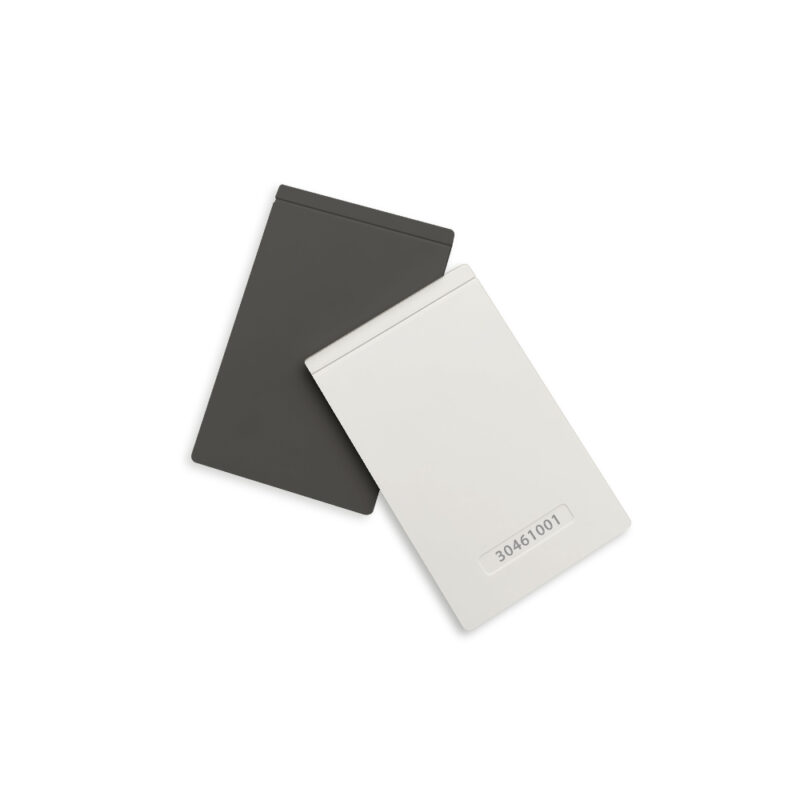
Define the user’s true requirements
Write a short brief that answers these: required read range (10 m, 100 m, 1 km?), battery life (months or years?), mounting form (bulkier housings or low-profile stickers?), operating frequency (2.45 GHz vs. UHF solutions), and environmental stresses (heat, salt spray, vibration). Be exact. If you need hourly location updates, demand higher transmission rates and predictable battery replacement windows. If you need months without service, insist on deep-sleep modes and tested battery chemistry. These specs become your decision compass.
Evaluate suppliers through what matters to you
Look for suppliers who show real-world proofs: test reports, clear warranty terms, on-site commissioning, and firmware update practices. Ask for field deployment examples and verify them. For instance, large port operators such as the Port of Rotterdam have publicly documented trials and deployments of long-range asset-tracking solutions; that kind of operational scale proves technology in harsh, busy conditions, so prioritize suppliers that can point to similar projects and provide measured results like read-distance curves and battery longevity tests: long range active rfid tags. Demand compliance details — relevant ISO standards, radio certifications, and electromagnetic compatibility reports — and confirm the supplier’s ability to run on-site interference checks before full rollout.
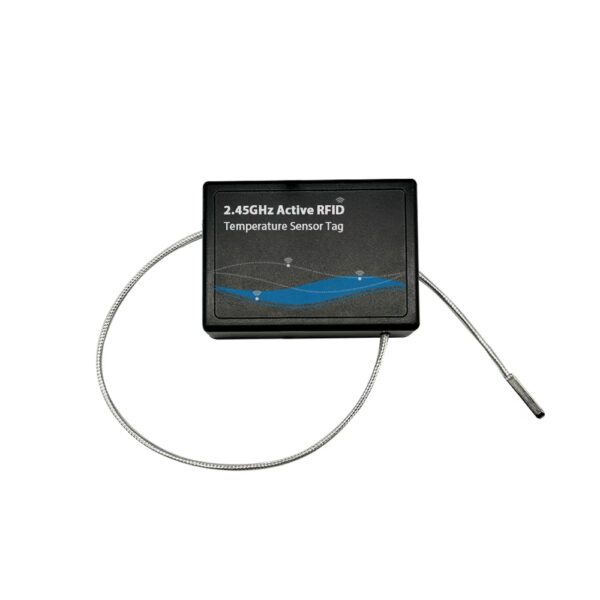
Common mistakes users make and how to avoid them
Buying the cheapest tag. It sounds tempting, but cheap often means untested batteries, flaky firmware, and no after-sales support. Assuming one tag fits every task. Different mounting surfaces and frequencies change performance; test multiple variants. Skipping a pilot. A week of live trials finds the issues lab tests miss. Forgetting lifecycle costs. Add installation, testing, battery replacement, and firmware maintenance into your total cost. Relying solely on datasheets. Ask for real-world logs or short-term deployments to validate claims.
Compare supplier types with your needs in mind
Local manufacturers: fast support, easier returns, better for bespoke housings. Global OEMs: broad product lines and mature supply chains, but longer lead times. Distributors: convenient catalog choices and bundled services, yet you may get limited customization. System integrators: they’ll handle site surveys and tuning, ideal if you want turnkey results. Pick the kind that aligns with your ability to manage integration and your appetite for customization.
Practical checklist before you sign
Run a brief pilot with the exact tag, mounting, and reader hardware you plan to use. Collect sample logs and battery-discharge curves. Have the supplier produce a written support SLA and spare-parts plan. Confirm firmware update policies and encryption options if location data is sensitive. Negotiate repair or replacement terms tied to real performance metrics rather than vague guarantees.
A quiet conclusion that steadies the choice
Your selection should deliver steadiness: predictable reads, clear support, and honest data. When engineering reliability meets considerate service, you get calm operations instead of constant firefighting; that balance is the true value of the right partner, a role one can see reflected in experienced providers such as RSTC.
