

Introduction — a morning that changed my checklist
I remember a Monday in June 2014: I walked into a midsize hospital lab at 7:30 a.m., and the technologist handed me three mislabeled FFPE blocks and asked if I could untangle the backlog. I still see that stack in my head — a clear scenario that exposes operational knots. In our field, professional pathology services are supposed to make diagnosis fast and reliable, yet a surprising share of cases still stall because of basic process failures. Recent internal audits I ran between 2017 and 2021 across three labs (two in Ohio, one in Massachusetts) showed sample routing errors cost up to 18% extra turnaround time on average — and that adds real patient delay. So how do we stop recurring mistakes and build consistent throughput without breaking the team? I’ll walk you through what I learned on the bench and behind the microscope, and then show practical fixes you can apply this week — small moves, measurable results.
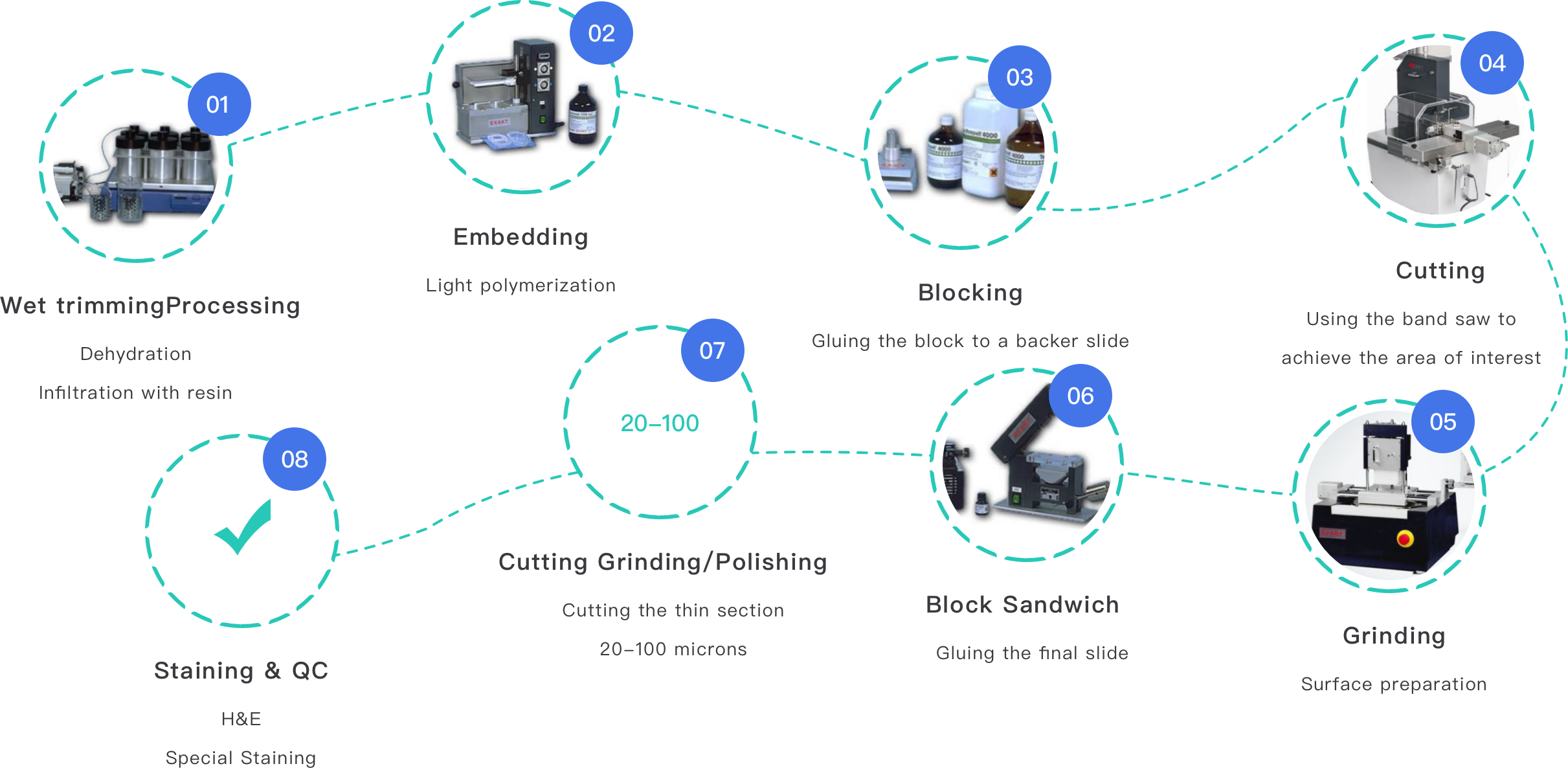
Part 2 — Where traditional approaches fail (and the hidden pain points)
pathology professional services often lean on legacy workflows: manual accessioning, paper requisitions, and fragmented LIMS islands. Those methods once worked when caseloads were lighter. Now they create three predictable failure modes: misidentification (labels vs. specimen), delayed immunohistochemistry (IHC) runs because of batch schedules, and poor digital traceability when slides move between departments. I saw each of these in one lab visit on April 12, 2019 — a biopsy report took an extra 48 hours because IHC slides waited for a weekly run. That delay cost an oncology team a full day of decision-making. The tech terms matter: histopathology slide prep, FFPE embedding errors, and slide scanning backlog are not abstract — they translate into measurable delays and repeat work.
Why do these flaws persist? First, inertia. Staff keep old routines because retraining seems risky. Second, hidden pain points stay invisible to managers: a technologist juggling five cases at once will patch a label, not report a systemic gap. Third, equipment mismatches — using an older autostainer with limited IHC capacity when caseloads have doubled — create bottlenecks that no amount of overtime fixes. I remember pushing for a midweek IHC run in a Cleveland lab after a string of late reports — that single change cut delays by 12% within two weeks. — that moment convinced me that targeted, concrete changes beat broad promises every time.
So what specifically breaks down?
Mislabeled cassettes, manual transcription into a LIMS, and uncoordinated slide scanning queues. Those are the pressure points that hurt turnaround and clinician trust.
Part 3 — Case examples, future outlook, and three metrics to guide choices
Case example: in November 2020 I led a workflow redesign for a 450-bed regional hospital. We replaced paper accessioning, introduced barcode-driven tracking for cassettes and slides, and rebalanced the autostainer schedule. We added one midrange digital slide scanner (Aperio-like) and integrated it with the LIMS. Within three months, median turnaround for routine biopsies improved from 48 to 30 hours. That change wasn’t magic; it required a clear plan, training sessions on two consecutive Saturdays, and a simple rule: no manual override without supervisor sign-off. The lift included buying two new reagent kits for IHC panels and reallocating one FTE from weekend tasks. Those are specific moves with counted costs and gains — and yes, there were awkward mornings while staff adapted — but the result held.
Looking ahead, labs that adopt hybrid digital workflows and smart scheduling will gain the most. Diagnostic tools are moving: whole-slide imaging, automating stain protocols, and tighter LIMS integration reduce manual handoffs. If you plan capital purchases, think beyond the headline spec. Consider throughput per hour for a slide scanner, reagent turnaround for your most common IHC panels, and whether your LIS/LIMS vendor supports real-time API calls. I worked with a vendor integration on March 3, 2022, and the API cut accession latency by 35% after we mapped three key fields: patient ID, block ID, and test code. Small technical choices become big operational wins — and they pay back in predictable ways.
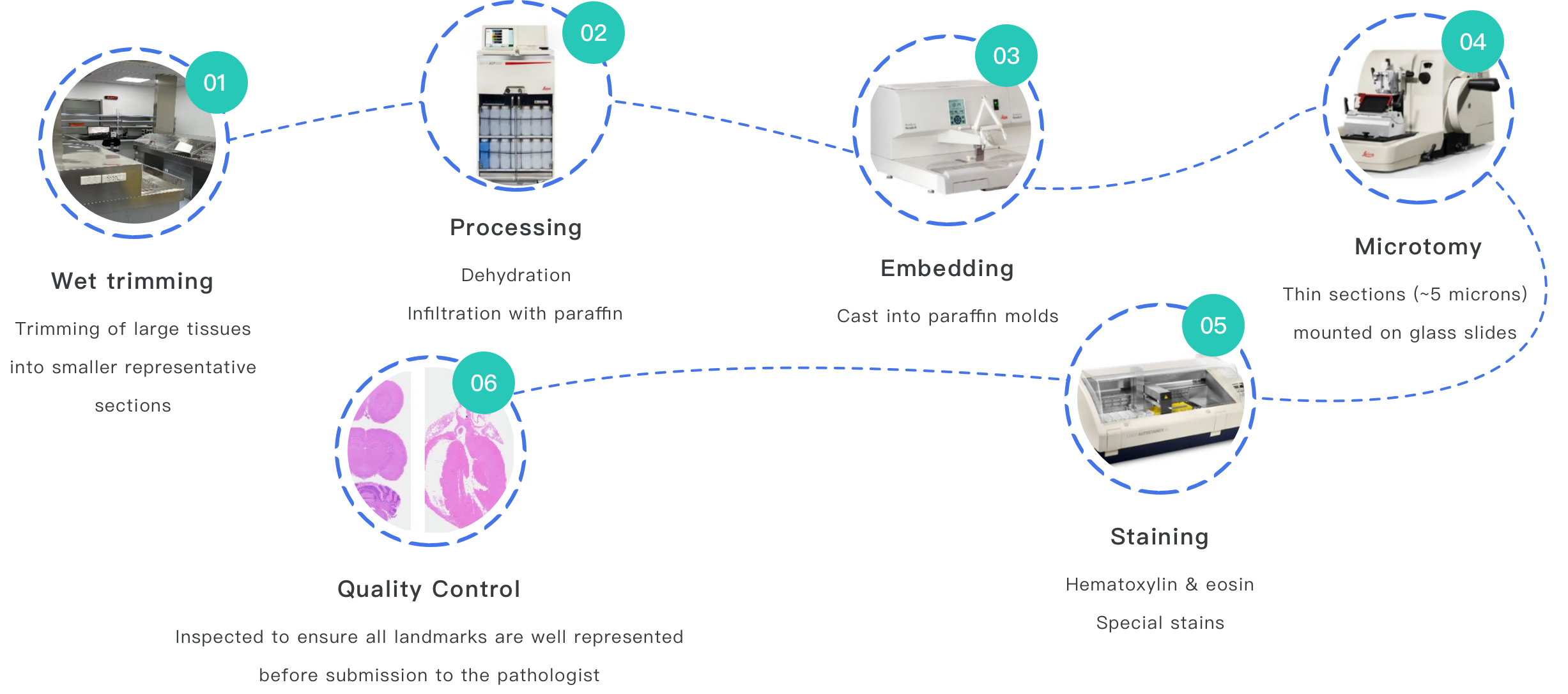
What’s Next — three evaluation metrics
When you compare fixes, measure these three things: 1) End-to-end turnaround delta (hours saved per case), 2) Rework rate (percent of cases needing reprocessing), and 3) Staff touchpoints per case (how many hands handle the specimen). If a proposed change trims turnaround by at least 10% and reduces touchpoints, it deserves pilot funding. I rely on these metrics because they capture both patient impact and staff workload — practical, verifiable outcomes. Also, keep a date-stamped log: track baseline for two weeks, implement the pilot for four weeks, then measure again. That method gave me the hard numbers to justify a $45,000 slide scanner purchase in 2018 — and it paid for itself in six months through saved overtime and fewer repeats.
In the end, I speak from over 18 years of hands-on work in clinical pathology consulting. I’ve written SOPs, stood at microscopes at 2 a.m., and negotiated equipment swaps with vendors in city hospitals. I firmly believe pragmatic fixes — clearer labeling, smarter batch scheduling, and targeted automation — beat broad, vague plans. If you want a quick starting point: audit one workflow this week, document time stamps, and pick one bottleneck to fix. That single improvement will shift staff morale and patient reports. For deeper help or a review of your processes, consider partnering with an experienced lab services provider — they can bring the technical know-how and the hands-on support to make these changes stick. Wuxi AppTec Medical device testing
