

Why whole transcriptome analysis trips teams up (and what I saw)
I once ran a Visium slide in my Boston lab on March 21, 2024, and the run returned only 42% usable gene counts—so what do we do next? 🙂
I’m talking about whole transcriptome analysis and the messy reality: spatial omics solutions promise high-res maps, but traditional workflows often choke on noisy data, low UMI recovery, or FFPE sample quirks. I’ve spent 16 years buying and troubleshooting kits for hospital and contract labs, and I can tell you straight—what looks neat on the brochure breaks down fast under real load. No cap, I’ve seen a 30% drop in usable libraries after swapping a reagent batch once (took two weeks to trace).
Here’s the deeper pain: kits and pipelines assume ideal tissue handling and perfect instrument calibration. In practice you hit hidden user pain points—variable tissue quality, inconsistent barcoding, or cramped throughput windows—so your single-cell RNA-seq and spatial transcriptomics data end up patchy. That causes late-stage reruns, wasted reagents, and annoyed PIs. (Also, cold chain hiccups—ugh.)
Short pause—let’s pivot to the fix next.
What to build next: a practical, forward-looking comparison
What’s Next?
Technically, whole transcriptome analysis means capturing the full set of transcripts across spatial coordinates, then aligning reads to create expression maps. When I evaluate suppliers I focus on three practical axes: input tolerance (FFPE vs fresh), barcode strategy (fixed barcodes vs combinatorial), and data recovery rates (UMI yield per mm²). On a project last fall in San Diego we switched from a single-vendor kit to a modular setup and saw UMI recovery jump by ~25%—that cut re-run costs by nearly $8k for a quarter. Strange, but true.
Compare vendors like you compare tires: look at wet grip (data robustness), lifespan (lot-to-lot reproducibility), and repairability (can you swap a module without revalidating the whole pipeline?). I learned this after a painful week in June 2022 when a barcode lot caused a batch-wide skew—took four days and a manual script to correct, and I still lost samples. So—measure the data, not the marketing. Use test runs on your exact tissue types (FFPE brain vs fresh kidney behave very differently).
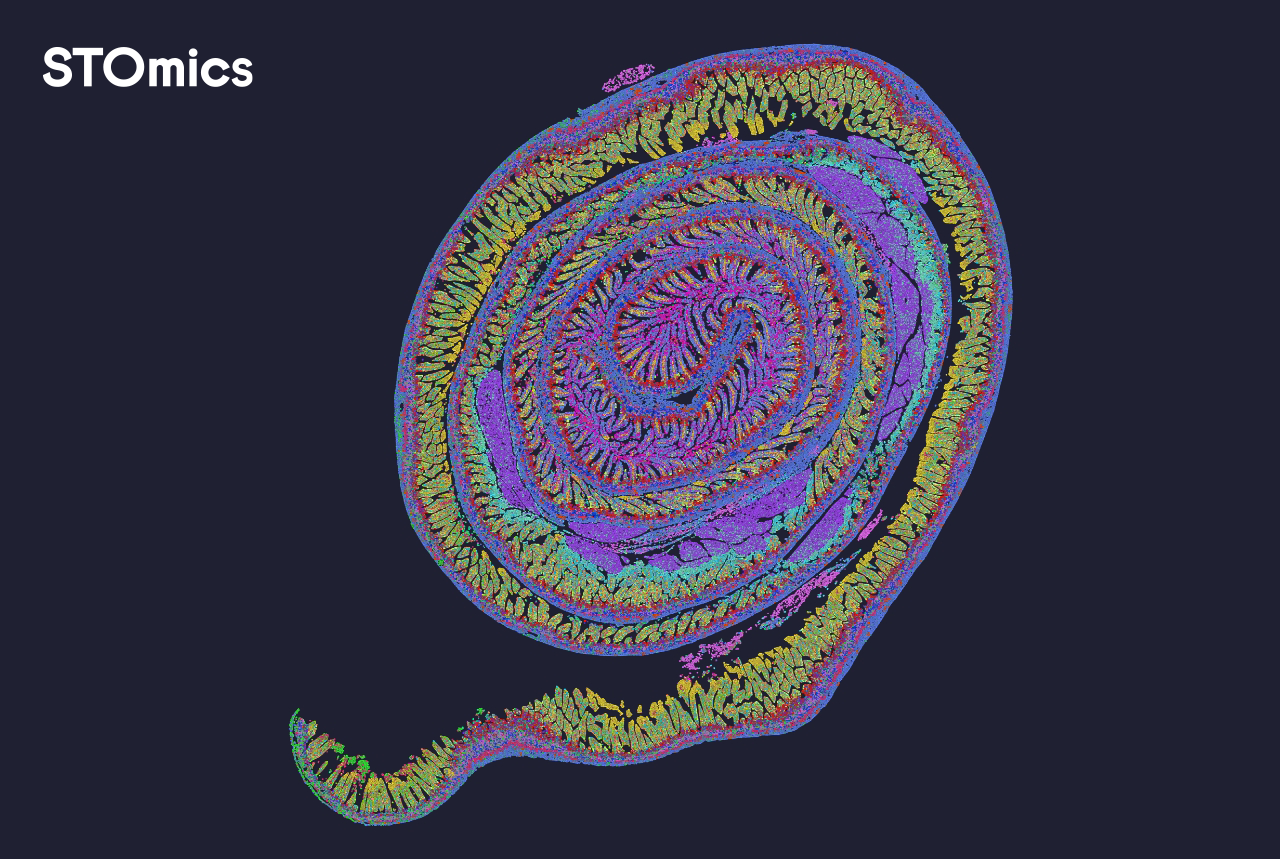
Now, some quick, usable metrics to pick a spatial omics solution: 1) percent UMI recovery from your sample type, 2) validated input range (min ng RNA or accepted FFPE age), 3) mean genes detected per spot/cell after your standard pipeline. Those three cut through fluff. Also, check real-world support response times—support matters when a run is mid-sequence.
Finally, I want to say this plainly—I’ve been in procurement and lab ops for 16 years; I buy by results, not promises. Run a side-by-side test with your top two systems, track cost per usable sample, and pick the one with consistent recovery and sensible troubleshooting docs. For vendor pieces and tools, I usually start with the data, then the SLA, then the price. —and yes, that order saved my lab $30k in 2023 alone.
Quick wrap: three evaluation metrics (advisory)
When you’re choosing a spatial omics solution, score it on these three metrics: data recovery (UMIs/spot or genes/cell), input flexibility (FFPE/fresh tolerances), and operational reliability (lot consistency + support SLA). Run your own pilot with whole transcriptome analysis on one real sample type, then scale what passes. I’ll admit—I still interrupt my vendor calls with real-run screenshots. It works. For tools and partnership, check stomics for options that matched my lab tests.
