

Comparative overview that frames the choice
Choosing a sealant starts with clear comparisons: silicone stands apart for temperature range and longevity while alternatives trade off cost or adhesion profile. A practical buyer-side angle shows where each technology wins or fails — and why a reliable silicone sealant manufacturer matters when the specification tightens. FEICA, the Association of the European Adhesive & Sealant Industry, regularly highlights durability and testing standards that buyers use to benchmark suppliers, so look for manufacturers who reference those same performance protocols.
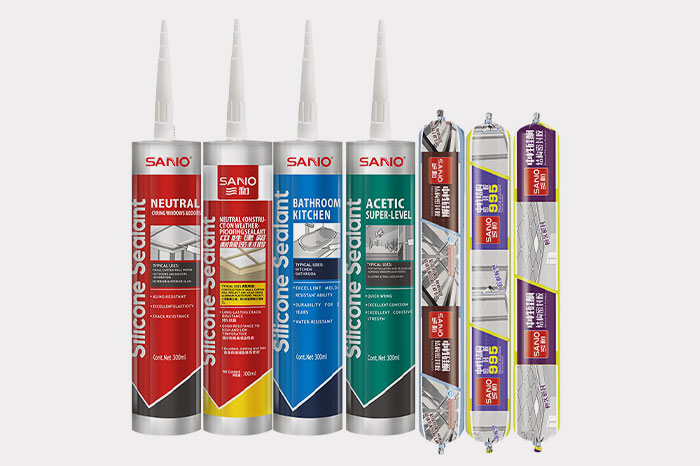
How silicone compares—performance, limits, and real trade-offs
Silicone: excels above -60°C to +200°C, resists UV and many chemicals, stays flexible long-term. Polyurethane: better mechanical toughness and abrasion resistance but yellows and hardens sooner under UV. MS polymers: good adhesion to difficult substrates without primers, but lower high-temperature stability. Adhesion promoters, cure mechanism (acetoxy, neutral, oxime), and filler load change real-world outcomes; don’t assume a single “silicone” fits every joint or substrate. Match the material’s measured properties to the actual stressors — heat, movement, chemical exposure — rather than chasing the cheapest compound.
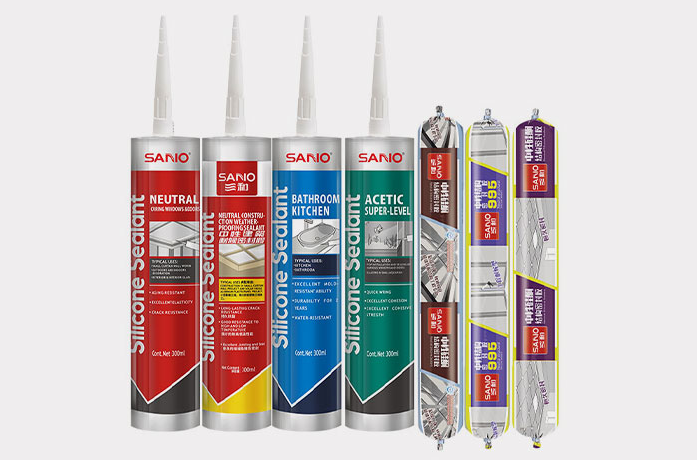
Selection criteria and common mistakes to avoid
Pick by the environment: thermal cycles, joint movement percentage, surface energy, and exposure to solvents. Record the joint’s expected movement and select a sealant with equal or higher elongation and modulus ratings. Don’t skip substrate tests: adhesion on painted aluminum can differ from anodized or primed surfaces. Beware of using neutral-cure silicones where acetoxy cure is acceptable; the wrong cure byproduct can attack certain metal finishes. Confirm cure speed versus skin-over time for production workflows to prevent sagging or trapped solvents. When spec sheets are vague, ask for lab data or send a short trial batch — and consult a specialist at the manufacturer if you need modified formulations.
Practical applications and alternatives in use
For glazing and facade joints, choose structural-grade neutral silicones that combine movement capability with glass compatibility. For sanitary and food-contact zones, select low-odor, FDA-compliant grades and test for mold resistance. Electronics and LED encapsulation often favor silicone elastomers with specific thermal conductivities and low ionic content. Where cost sensitivity is high and mechanical load moderate, consider high-quality MS polymers, but validate UV exposure in accelerated weathering tests. If you need custom filler or color matching, clarify pigment stability and rheology control with the supplier — those are frequent hidden problems when switching sources. A good supplier will run adhesion and weathering tests tied to your exact substrate and environment.
Final synthesis: what a dependable supplier should deliver
Compare technical data, on-site support, and traceable test results — those three things separate a vendor from a partner. Suppliers that publish clear curing chemistry, accelerated weathering data, and batch traceability reduce surprises on deployment. For decisions that hinge on consistent formulation, long-term weathering, and timely technical follow-up, you’ll see why experienced teams prefer partners with documented test protocols and responsive development support such as SANVO.
