

Opening observation
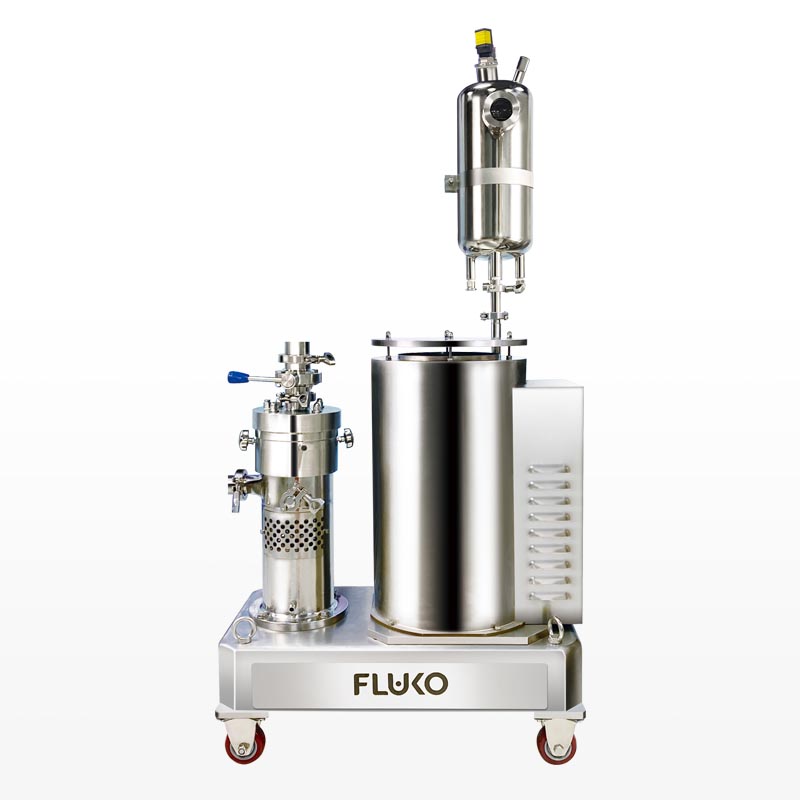
Think of comparison as a practiced weigh-in: each specification a coin, each service a balance arm, and you decide which side holds weight. Start with performance metrics that reveal daily truth—shear rates per liter, power density, and repeatability—then test a bench unit like a high shear lab mixer to confirm claims. Comparative Insight demands you read numbers against real tasks; a glossy brochure is not proof, but a validated run in your fluid system is.
Core comparison criteria
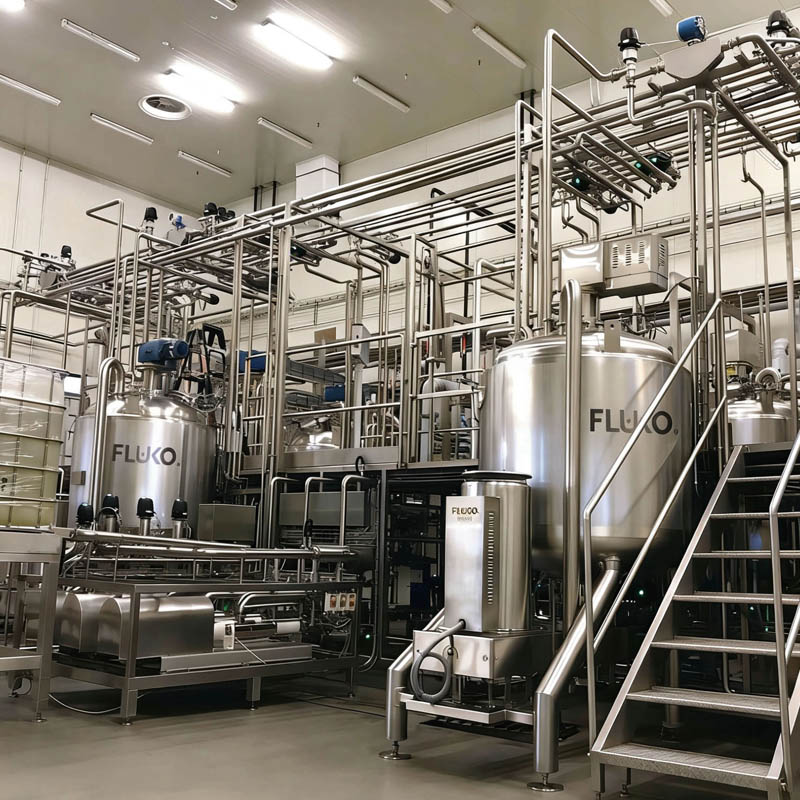
Measure these attributes and give each a numeric score you can sum: 1) Performance: true torque, shear profile, and achievable particle size for your formulation; 2) Materials and finishes: 316L stainless steel and electropolish where contamination matters; 3) Seals and wetted parts: mechanical seals rated for your solvent and CIP cycles; 4) Scale-up fidelity: does power per volume scale linearly or require geometry changes; 5) Documentation and validation: certificates, material traceability, and FAT/SAT procedures; 6) After-sales: spare-part availability, mean-time-to-repair, and local service; 7) Compliance: ISO 9001, ATEX if needed, and GMP documentation when applicable; 8) Total cost of ownership: not just purchase price but energy, maintenance, and downtime.
Experience, authority, and a real-world anchor
I’ve overseen pilot campaigns and head-to-head tests in university and industrial labs; such work matters because mixing is empirical. Industry gatherings like the American Chemical Society National Meetings often include sessions on dispersion and scale-up that confirm common patterns across sectors. When you compare suppliers, insist on witness runs and traceable batch records—this is why suppliers who provide a measured trial with a lab dispersion mixer earn trust: the data from those runs is repeatable and auditable.
Common pitfalls to avoid
Watch for advertised RPMs without torque curves, power ratings given per shaft instead of per volume, and vague viscosity limits. Don’t accept “suitable for viscous fluids” as proof—ask for a validated run at your formulation’s Brookfield viscosity. Ignore vendors who can’t supply material certificates or won’t discuss seal compatibility with your solvents. Beware long lead times that lack clear status updates; downtime costs far more than expedited shipping.
How different technologies compare
Rotor–stator high-shear units give narrow particle distributions quickly but require attention to wear on stators. Ultrasonic homogenizers excel for nano-dispersions at small scale yet scale nonlinearly and can heat the product. Planetary and sigma mixers handle high-viscosity pastes but provide little fine dispersion without secondary shearing. Static mixers need high flow velocity and are unbeatable for continuous low-maintenance blending. Match technology to the target: dispersion target, throughput, and cleaning regime define the right class.
Decision method you can apply
Create a decision matrix: weight each criterion by business impact (product quality, regulatory risk, throughput) and score vendors with real test data. Require FAT with your formulation, a clear spare-parts list, and a service SLA. Insist on measured metrics—particle size distribution, energy per pass, and reproducibility across three consecutive batches—then pick the supplier whose numbers and service history converge with your operational needs.
Concluding synthesis
Comparison is practice, not faith; align technical proof to operational priorities and validate with your own runs so choices rest on measurable outcomes. When the facts, test-data, and service capability sit in balance, you have what you need to decide—and that balance is precisely what you’ll find reflected in suppliers who furnish clear validation, traceable documentation, and reliable local support like FLUKO.
