

Introduction
Have you ever wondered why some shops turn raw bars into finished parts faster and with less fuss than others? In many cases the answer ties back to choices made by turret lathe manufacturers—choices about tool layout, control logic, and service support that shape daily work on the floor. Recent shop-floor audits show cycle-time gains of 12–25% when a machine’s turret layout and spindle tuning match the job profile (real numbers, not marketing fluff). So what separates machines that merely run from machines that actually help teams hit delivery targets? Let’s walk through what I’ve seen and learned, and then look at concrete trade-offs you can use when picking gear.

Deep Dive: Where Conventional Approaches Break Down
cnc turret lathe machine buyers often start with a spec sheet: turret stations, max spindle speed, and power ratings. That makes sense, but I’ve watched promising specs fail in practice because shops underestimated the interplay of systems. For example, high spindle speed is useless if turret indexing is slow or the coolant system chokes chip evacuation. I call these “system mismatches” — the parts work fine alone, but together they create bottlenecks. In short: hardware parity alone won’t deliver better throughput. You need matched spindle dynamics, reliable CNC controller tuning, and consistent servomotor responsiveness.
Look, it’s simpler than you think: prioritize how the machine behaves during a full cycle, not just peak numbers. I’ve measured setups where tool change time and turret indexing added 20–30% to cycle time despite fast cutting speeds. Chip conveyor capacity and coolant flow also matter; poor chip handling forces frequent stops and manual clearing. From my experience, the pain points hide in transitions: tool approach, retraction, and indexing steps. Fix those, and the rest becomes smoother. (Yes, you may need to rethink fixturing and tooling to match the machine — it’s worth it.)
What fails first?
Turret indexing delays, inadequate coolant flow, and mismatched servomotor torque. Address those three and you’ll erase many daily frustrations.
Forward-Looking Principles: How New Choices Change Outcomes
When we look forward, we’re not chasing buzzwords. I prefer to translate new technology principles into shop-floor promises. Modern cnc turret lathe designs focus on three practical advances: smarter motion profiles, predictive maintenance for bearings and power converters, and better thermal control for the spindle. These moves aren’t futuristic; they cut unplanned downtime and improve dimensional stability. For example, adaptive feed rate control adjusts feed in real time when the tool encounters tougher material. That keeps the cut steady and reduces rejects.
We evaluated machines that used closed-loop spindle temperature control and found part-to-part variance dropped noticeably. There’s a clear trade-off: higher initial cost for tighter tolerances and fewer reworks. — funny how that works, right? Also, integrating simple analytics into the CNC controller gives shops early warning when turret indexing starts to slow. That predictability saves hours. In my view, buying a turret lathe today should be about how tools, control, and support form a single, practical system.
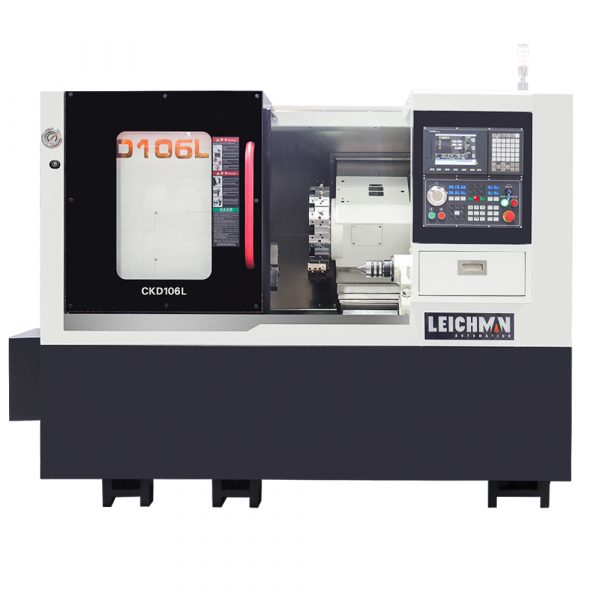
What’s Next?
Look for machines that make setup faster and maintenance predictable. Real impact happens when the whole system reduces clutter and surprises.
Conclusion — Practical Advice for Choosing Right
I’ve walked through where traditional solutions stumble and which principles matter going forward. To keep this usable, here are three evaluation metrics I rely on when advising teams: 1) Effective Cycle Time — measure actual time per complete part, not just cutting speed; 2) System Responsiveness — test turret indexing and tool change under load; 3) Support Forecast — verify predictive diagnostics and spare-part logistics. Use these metrics as your checklist during demos and trials. They tell you how a machine will behave after the honeymoon period ends.
We all want fewer surprises on the production floor. If you pick with these metrics in mind, you’ll get equipment that supports the shop rather than one that needs adapting around it. For practical demos, insist on running your parts, and ask for thermal and chip-flow data. Those numbers will reveal more than glossy brochures. In the end, the best choice balances immediate throughput with predictable upkeep — and that’s where brands like Leichman make a real difference to teams I work with.
