

User-first overview: why the rules matter for your park
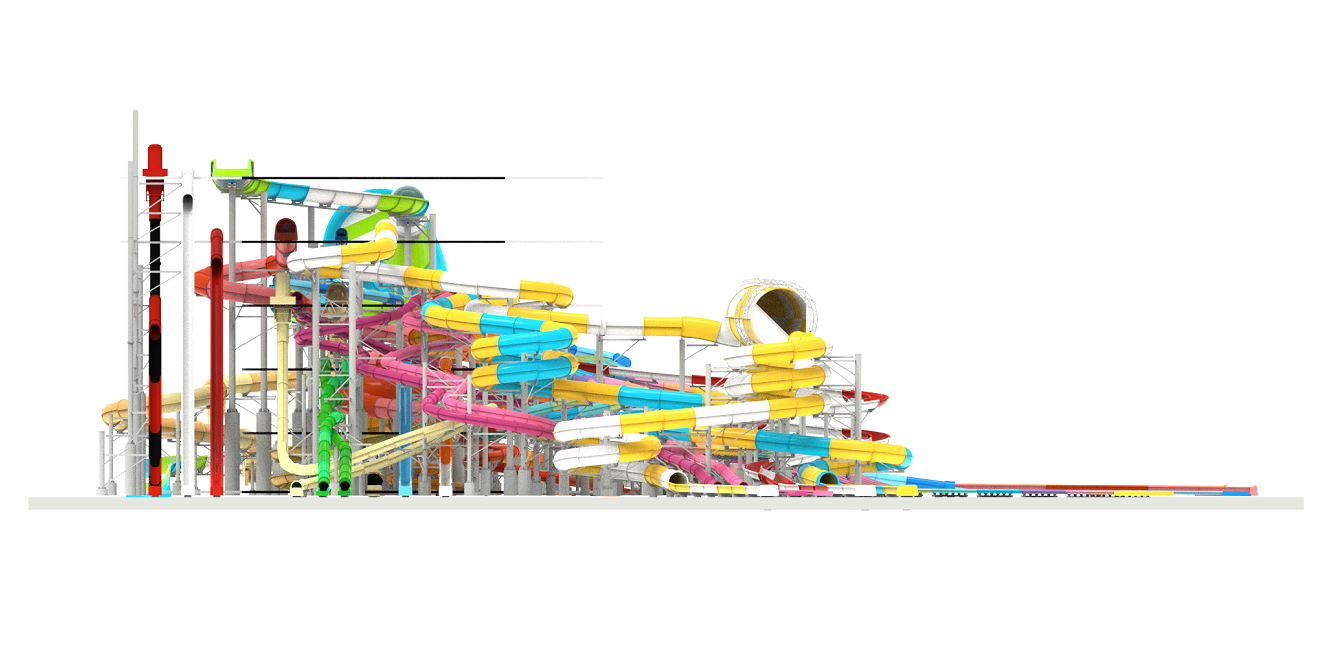
You’re picking slides, towers, and splash features for real people — families, staff, inspectors — and safety, uptime, and cost all hinge on structural compliance. Start with clear expectations for wind load performance and anchorage details before you sign any contract. Early clarity saves change orders, and it keeps installers from improvising on site. For practical references on build quality and modular systems, see this water slide construction example that illustrates how manufacturers package structural data with product drawings.
Planning and selection: checklist for operators
Buyers should aim for a short, usable checklist that ties design to operations. At a minimum, require: design wind speeds, soil-bearing capacity for foundations, connection details for anchorage, and corrosion protection schedules for steel or fasteners. Include serviceability limits — deflection and vibration thresholds — so guests don’t notice movement. Keep paperwork concise: stamped drawings, a materials list, and a maintenance plan that names spare parts and inspection intervals.
What to demand from vendors — concrete asks that avoid surprises
Ask vendors for explicit test parameters and certification sub-chapters, not vague claims. For example, require the wind-load sub-chapter to state: “Design wind speed (3-second gust), reference height, exposure category, and dynamic amplification factor.” For structural compliance request: “Load combos used (dead + live, dead + wind), allowable stresses, and connection bolt grades and torque values.” Vendors who can’t supply this are a procurement risk.
Common procurement mistakes and how to dodge them
Teams often accept general statements like “meets international codes” without getting the testing scope. Another trap is ignoring site-specific wind exposure — coastal parks need different uplift and corrosion plans than inland venues. Also, don’t assume modular slide sections are identical: joint details matter for fatigue and leakage. Small oversights cost time during installation, and they’re costly to fix once timber forms and concrete are in place — you’ll know what I mean when contractors ask for rework.
Production teardown: what to inspect before shipment
When a unit’s ready to ship, perform a production teardown review that inspects welded seams, coating thickness, anchor plate geometry, and pre-assembled joints. Documented non-destructive test reports for critical welds should include the procedure, acceptance criteria, and test locations. Verify that the manufacturer lists test intervals for corrosion protection and live load verification. Also ensure the delivery pack includes the {main_keyword} and the {variation_keyword} in the parts list so your maintenance team can trace replacements. Compare the vendor’s wind tunnel or computational fluid dynamics report to site conditions — much like the wind-tunnel work used for the Burj Khalifa and other iconic tower designs — to check assumptions. Testing regimes should spell out the exact gust durations, mesh sizes, or sensor types used in the trials.
Quick operational tips and the human side
Train maintenance crews on inspection points: anchor bolts, seam sealant, and any movable gates. Log daily checks during peak season and a full structural inspection annually. Keep spare bolts and sealant on site — they’re inexpensive insurance. Small gestures help: clear signage about height limits and single-rider rules reduces misuse and extends component life. — And when staff spot corrosion or unusual movement, escalate immediately; delays compound risks.
Advisory: three golden rules to evaluate suppliers and systems
1) Traceability: Require stamped structural drawings, material mill certificates, and a parts list that identifies critical items by serial or batch number. Measurable outcome: no undocumented field fixes.
2) Site-specific performance: Verify wind-load calculations against your park’s exposure category and foundation report. Measurable outcome: predicted deflection and uplift stay below the operational thresholds stated in the design.
3) Maintainability: Ensure the vendor supplies spare-part lead times and maintenance procedures that match your park’s service window. Measurable outcome: replacements arrive within your defined downtime limit.
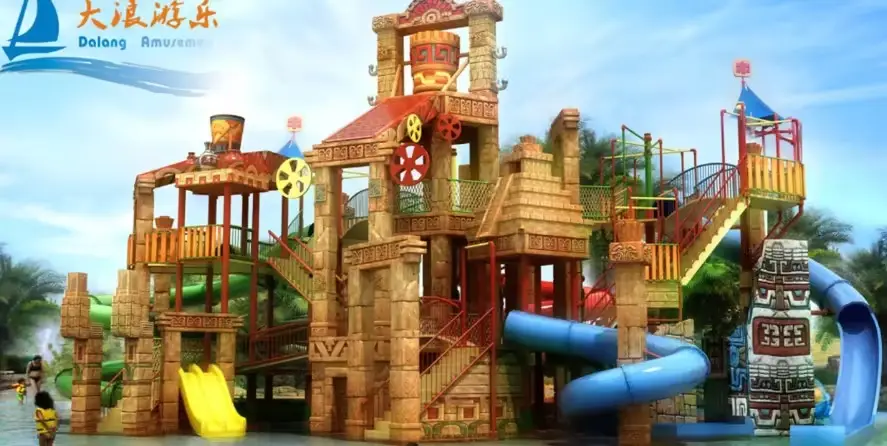
These steps align design, procurement, and operations so your investment performs in the long run. For practical suppliers and engineered systems that simplify compliance, consider how a partner like Dalang integrates documentation, production quality, and serviceability into their packages — it’s the straightforward solution your team will appreciate. —
