

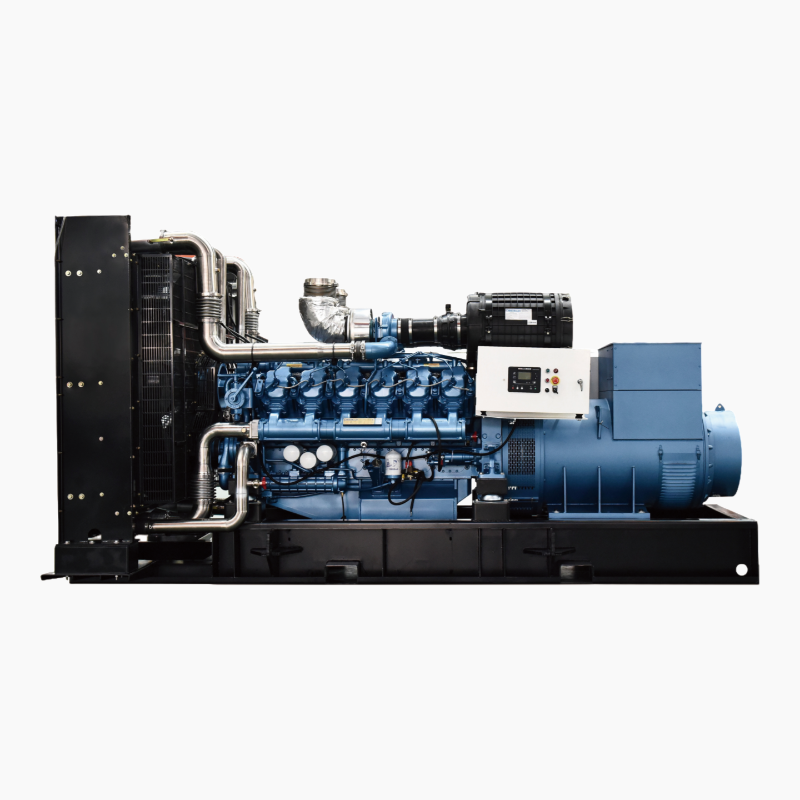
Comparative snapshot: tailored MTU builds vs off-the-shelf container gensets
Large facilities, remote sites, and critical infrastructure often need more than a one-size-fits-all generator. A container genset built around MTU engines lets engineers match prime power curves, acoustic envelopes, and fuel strategy to the actual load profile rather than retrofitting an inadequate unit. The difference shows in runtime hours, service intervals, and the sync behavior under transient loads.
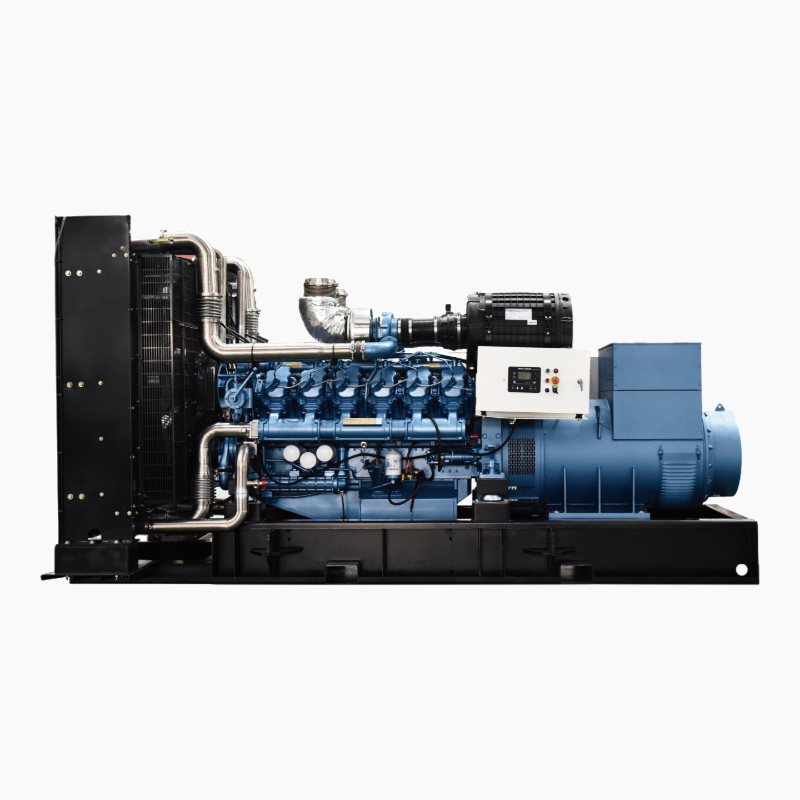
How customization changes the equation
Customization isn’t decoration; it’s engineering. A bespoke MTU container genset can include a purpose-designed sync control panel, a dedicated automatic transfer switch (ATS), targeted sound attenuation, and optimized fuel tanks sized for mission duration. That configuration reduces fuel consumption rate during extended prime power operation and limits wear on high-torque components. Off-the-shelf units may be faster to procure, but they often force compromises: undersized cooling, noisy enclosures, or mismatched governor curves that stress the alternator.
Real-world context and consequences
When Hurricane Sandy struck the U.S. Northeast in 2012, several facilities that had invested in properly specified container gensets maintained operations while others scrambled. That event highlighted a plain truth: proper sizing and integration matter. Hospitals and data centers leaning on bespoke solutions kept critical systems running because their gensets were configured for parallel operation and load acceptance — not because they were merely powerful on paper.
Comparative metrics you can measure
Compare vendors on specific, measurable attributes. Look at continuous and prime power ratings, transient response time, and documented fuel consumption at 50–100% load. Also inspect the proposed enclosure: is it a sound-attenuated container with service access points and removable panels, or a sealed box that complicates maintenance? These concrete measures separate marketing language from dependable performance.
Common mistakes and their fixes
Clients often pick solely on peak kW, ignoring load factor and start-up inrush. That leads to oversized engines running inefficiently or undersized alternators tripping under motor starts. Another frequent error is treating paralleling strategy as an afterthought. Fix it by requiring manufacturer-level proof of synchronization performance and by testing with a load bank under realistic conditions — because lab numbers rarely capture field transients.
A short decision checklist
– Confirm the expected duty cycle: standby, prime, or continuous prime. – Require documented transient response and synchronization behavior. – Verify enclosure specs: ventilation, access, and sound attenuation. – Ask for fuel consumption curves at multiple load points. – Insist on a staged commissioning plan and on-site acceptance testing.
Why a 1100kw container genset sometimes makes sense
When facility demand crosses into the megawatt class, a configured 1100kw container genset hits a sweet spot between modularity and efficiency. At that scale, prime power characteristics, alternator cooling, and engineered exhaust routing become decisive. A single, well-integrated 1100 kW MTU package often reduces cumulative fuel burn and maintenance touchpoints compared with multiple smaller units — provided the spec was right from the start.
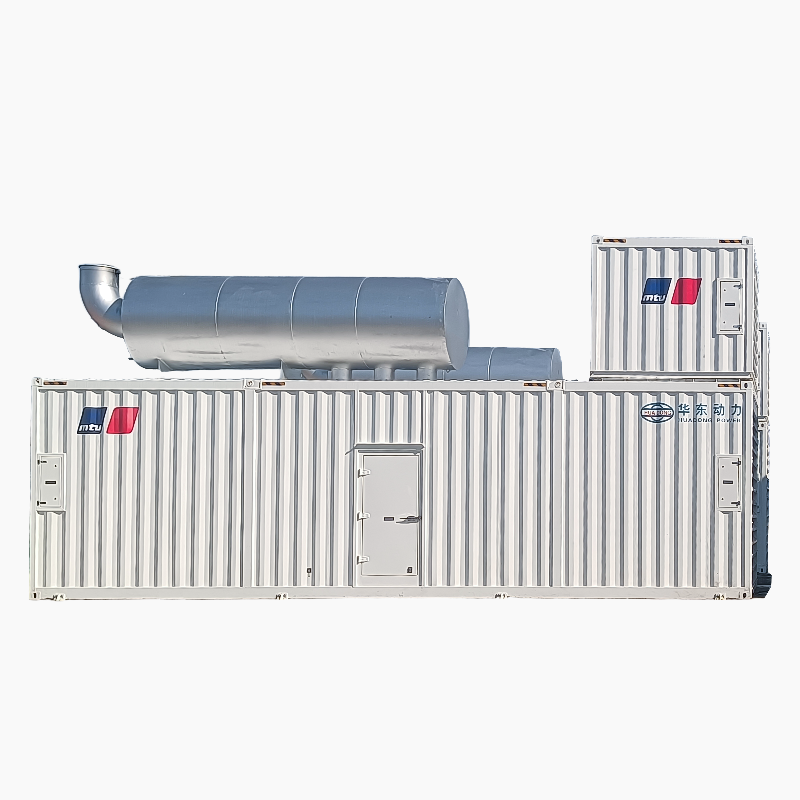
Evaluative close: three golden rules for picking the right manufacturer
1) Match duty and control: Require explicit proof the genset meets your prime/standby profile and that the sync control panel handles your worst-case transient. Measureable results here are reduced fuel cost and fewer nuisance trips. 2) Insist on serviceability: A container should allow rapid access for filter changes, oil drains, and alternator inspection. Lower downtime is the outcome. 3) Validate commissioning: Demand on-site load bank testing and a signed acceptance report showing actual fuel consumption and transient behavior under your load mix.
The right MTU-based container genset is less spectacle and more solved problem — a device that quietly keeps systems alive. Huadong Power. —
