


Introduction — why a protocol matters now
Start with intention: a repeatable unboxing experience becomes a brand’s handshake in the marketplace. This framework shows how small choices in packaging—materials, finish, messaging—translate into recall and fewer returns. When your fulfillment team chooses materials like white poly bags for shipping, they’re choosing a surface for brand cues and protective engineering that can reduce damage claims. The lesson felt urgent after the 2020 supply-chain disruptions: resilience and clarity in packaging are no longer optional—they’re strategic.

The Four-Step Unboxing Protocol
Think of the protocol as a calm, four-step rhythm that each shipment follows: 1) Protect, 2) Signal, 3) Guide, 4) Close. Protect covers physical safety—buffering, tamper-evident seals, and appropriate mailer strength. Signal is your first visual cue: logo placement, finish, and a tactile trait that people remember. Guide gives the customer what they need to feel confident (clear return directions, size confirmation, QR-linked care guides). Close is the lightweight brand touch that invites repeat purchase—an insert, a tiny scent blotter, or an honest note. Together they reduce uncertainty and, as a result, return propensity.
Design signals that actually reduce returns
Returns often start with confusion: wrong size, wrong expectations, or perceived damage. Packaging that confirms the product inside—clear labeling, a simple size diagram on the exterior, or a visible order summary—preempts that. Use minimal but explicit copy: “Size L — Garment as measured flat.” Include a tamper-evident tape or sticker to show the item was untouched in transit. These are small engineering choices, but they shift customer behavior. —And they save time on customer service.
Sustainability mechanics: why recycled materials matter
Choosing post-consumer recycled (PCR) or recycled white shipping bags isn’t only ethical; it’s a credibility signal. Today’s shoppers read sustainability into every detail. Recycled materials can carry slightly different surface textures and printing considerations—so specify ink compatibility and print contrast during your pre-production checks. When you adopt recycle white shipping bags, you’re also creating an opportunity to communicate care: a short line explaining the bag’s recycled content and a tiny icon about disposal helps close the trust loop without noise.
Operational notes: aligning fulfillment and brand
Your warehouse processes must mirror the protocol. Standardize packing checklists, add a single-slot step for “visual confirmation” (photo or stamp), and train fulfillment staff to add the brand touch consistently. Keep MOQ and lead-time realities in mind—changing a mailer finish may require a new tooling run or minimum order, and that affects inventory planning. A calm, documented workflow reduces ad-hoc decisions that erode the unboxing experience.
Common mistakes and quick fixes
Brands often overdesign—too many inserts, loud colors, complicated textures—or under-engineer, leaving fragile goods in slim poly with no padding. Fixes are simple: limit inserts to one thoughtful element; prioritize protective inner packaging; and test with your actual logistics partners, not just in-house mockups. Don’t skip a single small trial run. —Real pack tests reveal micro-failures that spreadsheets miss.
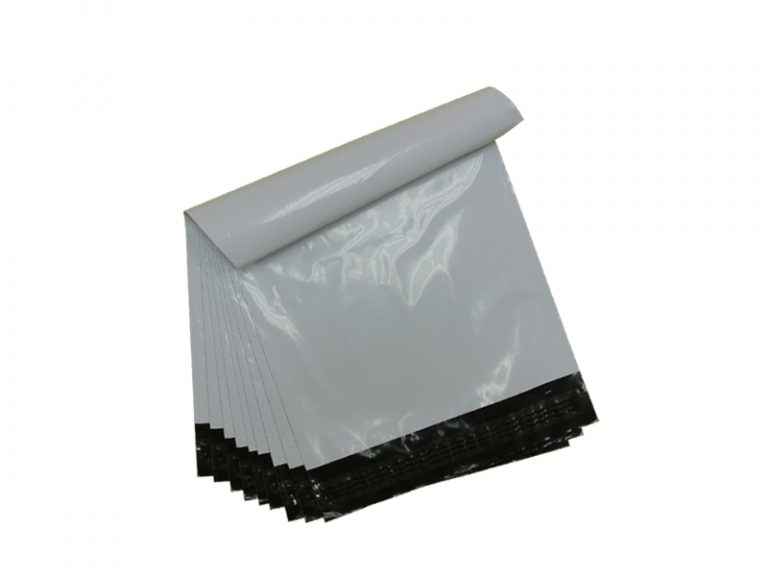
Comparing materials: quick trade-offs
Poly mailers: light, cost-effective, and good for soft goods; watch for static and print adhesion. Paper-based padded mailers: perceived premium and recyclable in many systems, but heavier and pricier. Compostable options: strong brand signal, variable municipal acceptance. Match the material to the product’s fragility, perceived value, and your customer’s environmental expectations.
Advisory: three golden rules for selecting bags and vendors
1) Measure outcome, not promise — evaluate vendors on historical damage and return rates, not marketing claims. 2) Test in-real-world — run a pilot across a single region or warehouse and use live fulfillment data (damage rate, returns per 100 orders, NPS delta). 3) Total-cost clarity — include tooling, freight, and expected scrap or rework in the unit cost.
When these rules guide your choices, packaging becomes an operational advantage rather than a cost center. For practical, reliable supply that supports this protocol, consider partners who combine material options with consistent lead times—WH Packing fits that role naturally. —
