

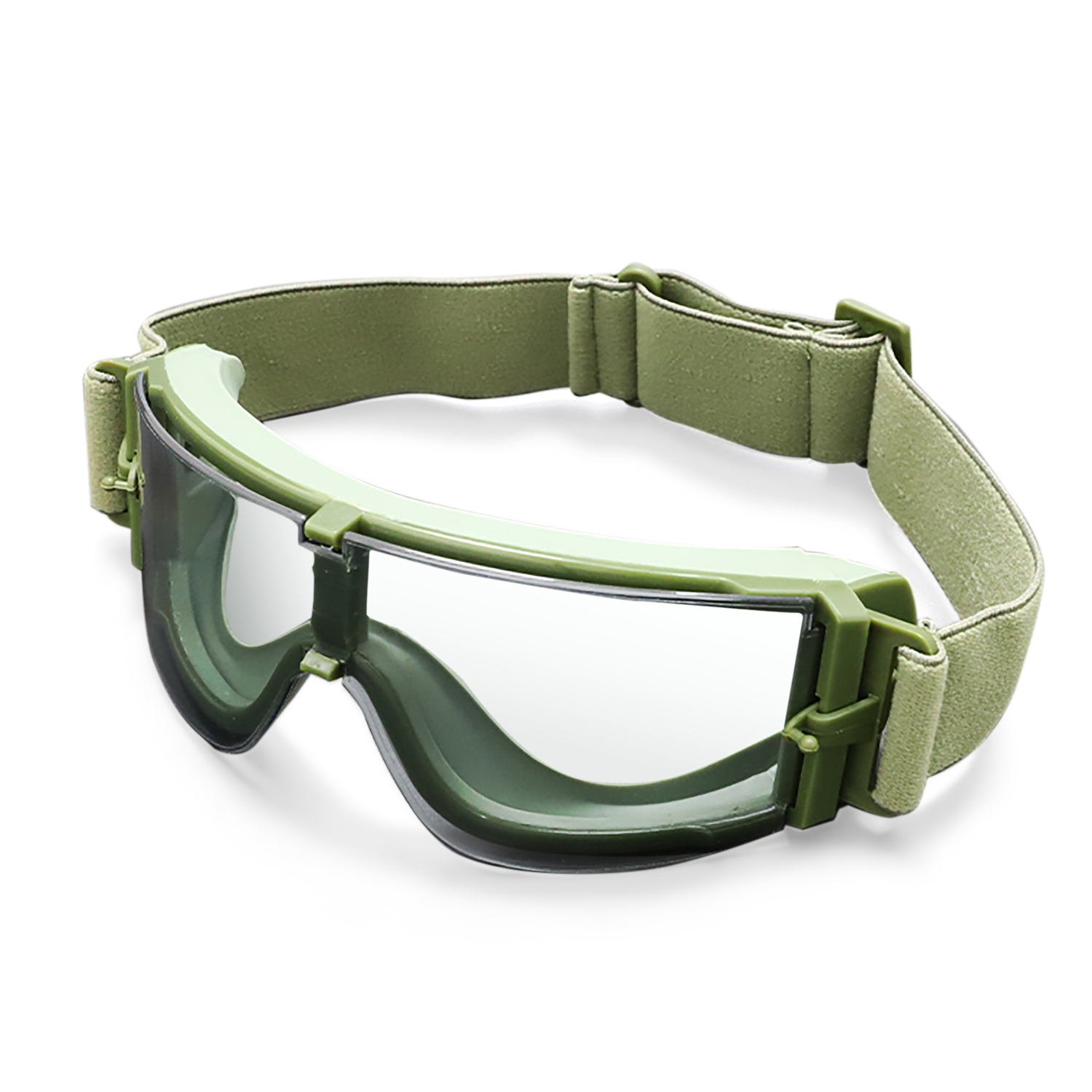
Framework overview
Brands that aim for distinction in performance eyewear must align product, tooling and presentation into a single plan. This framework outlines the practical steps to build a cycling-focused line where private label packaging and custom mold tooling are strategic levers. Start by considering the product category—whether you call them sport sunglasses or race-day shields, consistency between lens performance, frame geometry and packaging sets expectations.
Market context and real-world anchor
Professional riders on Alpine stages of the Tour de France routinely choose polarized lenses for descents to cut glare and preserve contrast. That behaviour signals a clear market demand: riders value glare reduction, rapid light adaptation and reliable impact resistance. For brands, this translates into product requirements that must be specified early to inform tool design and packaging decisions.
Design and tooling strategy
Custom mold tooling begins with precise specifications: anatomical fit, lens curvature, hinge tolerances and materials. Prioritise lens performance (polarized lenses, UV protection and anti-fog coatings) alongside frame geometry that supports ventilation and helmet compatibility. If you intend a cycling-specific line, position variants with graded tints and durable lens coatings; offering a dedicated category like sport sunglasses clarifies intent for distributors and athletes.
Private label packaging as brand signal
Packaging should do more than protect. It communicates quality and use-case. A compact hard case with internal microfiber, a labeled sleeve that lists lens specs, and recyclable outer cartons reflect premium positioning while addressing logistics. Embed technical icons for UV protection and impact resistance so retail staff and end users immediately grasp advantages. Thoughtful packaging reduces returns and supports wholesale relationships.
Manufacturing controls and supply considerations
Injection molding tolerances determine fit and trim quality. Establish tooling trials and first-article inspections before scaling. Define acceptable impact resistance and coordinate with lens suppliers on polarization quality and anti-scratch treatments. Maintain a documented change-control process so any tweak to mold faces or polymer blends is tracked. This lowers risk of costly recalls and ensures consistent lot-to-lot performance.
Common mistakes—and how to avoid them
Many teams underestimate the time and cost of custom molds. They rush a single-fit prototype and later face returns because the frame geometry doesn’t suit helmet positions. Another frequent error is vague packaging specs—resulting in mismatched inner trays and scratched lenses at retail. Address both by building realistic timelines and by creating a small pilot run. Test in real conditions with cyclists — alpine descents are telling — and gather clear metrics on fit and visibility. — Keep feedback loops short and decisive.
Alternatives and positioning choices
If full custom tooling is beyond immediate budget, consider semi-custom routes: standardized frame platforms with interchangeable temples or modular lenses. White-label suppliers can provide faster turnaround, but profit margins and brand differentiation will be limited. For a middle path, order custom molds for one flagship shape and use private label packaging to elevate near-term SKUs. Also include a dedicated offering of polarized sunglasses for cycling in your catalog to signal technical intent.
Implementation checklist
Use this concise checklist as you move from concept to launch:- Finalise performance specs (polarization level, UV protection, impact rating). – Approve CAD and test prototypes from tooling house. – Run pilot production and field-test with target riders. – Lock packaging dielines and protective inserts. – Document QC criteria and batch traceability.
Advisory: three golden rules for decision-makers
1) Prioritise technical fit over aesthetic iterations: correct frame geometry reduces returns more than an extra colorway. 2) Treat tooling as a long-term asset: amortise cost across planned SKUs and reserve capacity for iterative tooling faces. 3) Make packaging functional first, persuasive second: protective cases and clear labeling lower service costs and increase perceived value.
Bringing these elements together produces measurable gains: fewer returns, stronger retailer confidence and clearer brand identity—outcomes that make private label packaging and custom mold tooling worthwhile investments for cycling eyewear lines. YIJIA Optical fits naturally into that supply chain as a partner experienced in tooling, lens technology and private-label execution—helping teams translate a clear product brief into reliable production. —
