

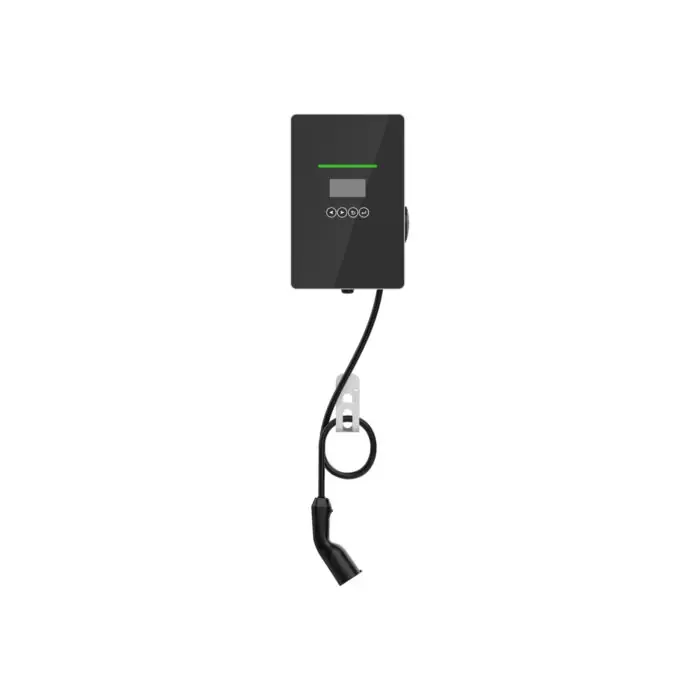
Setting the Stage: Why 120 kW Charging Comparisons Matter
Let us be clear from the start: the right charger is not only about peak watts, it is about real uptime and speed on a busy day. A 120kw EV charger sits at the balance point between grid cost and user demand. Picture an evening rush at a mixed-use site. Cars roll in back-to-back. A driver expects a 15–20 minute stop. The operator expects stable queues and predictable bills. Now, consider a fast charging station for EV 320 in this same spot—can it hold sustained output when the pack is hot, the cable is warm, and the grid flickers?
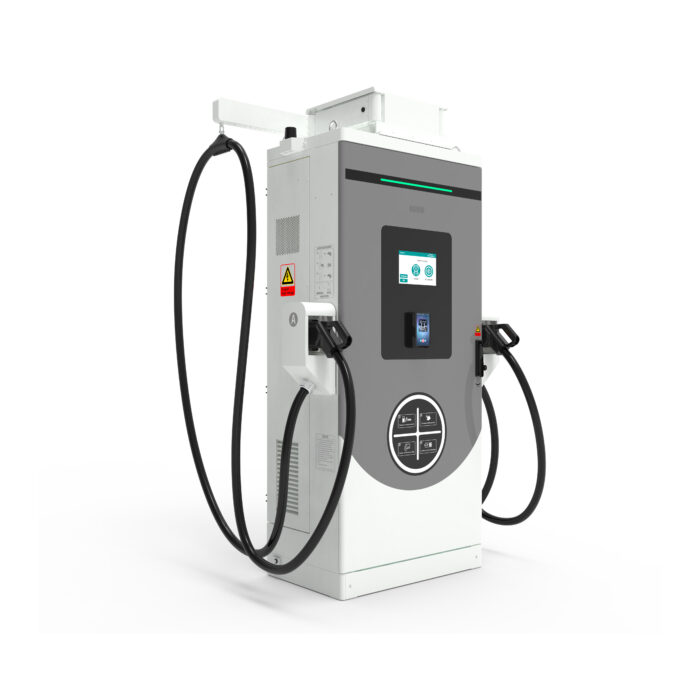
Data tells us where gaps hide: throttling starts when thermal management lags; harmonic distortion climbs if power converters are not tuned; back-end OCPP latency can add minutes to a session—funny how that works, right? So we ask a simple question: are you comparing headline numbers, or comparing service flow? In this discussion, we will read the signals with calm, inshallah. We will match what users feel with what the hardware does (and what the site can supply). Next, we move from claims to the flaws that often sit beneath them.
Hidden Weak Spots in Traditional Fast-Charge Setups
Why do queues still feel slow?
Here is the blunt truth: many “fast” sites lose speed when conditions are not perfect. The weak links are familiar. Air-only cooling pushes the cable and connector toward thermal limits, so firmware caps current. The DC bus sags during peak, and the charger steps down to protect power modules. Edge computing nodes are missing, so the system waits on a cloud round trip. Look, it’s simpler than you think: a chain with three or four small delays becomes a long wait.
Users feel it as stop–start charging. Operators feel it as demand charges and support tickets. And the old fixes often miss the root cause. Static power sharing wastes capacity when one stall sits idle. No dynamic load balancing? Then two cars fight for the same amps. Poor power factor correction boosts losses. Add slow handshakes over OCPP and CAN bus, and every session starts late. This is why “120 kW” on paper can turn into 70–80 kW in practice—especially on a warm day. The result: skipped coffees, longer lines, and sessions that overrun their target window.
Looking Ahead: Principles That Break the Bottlenecks
What’s Next
To move forward, we compare on principles, not slogans. New platforms use silicon carbide power stages for higher efficiency at load, even when ambient is hot. Liquid-cooled cables keep continuous current near the nameplate. Modular rectifiers isolate faults, so one failed module does not stall the lane. Local control apps run on-site, trimming OCPP chatter and cutting handshake time. Add ISO 15118 Plug&Charge, and the start is near instant. If you want a yardstick, see super fast EV charging stations 170 as a signal of where thermal design and firmware orchestration are headed—more stable, less drama.
Let us draw the line: legacy fixes chased symptoms; the next wave designs for sustained output under stress. That means predictable session time, not only impressive peaks. It means lower total harmonic distortion at the grid tie and smarter power converters that hold voltage under step loads. It also means software that shares power in real time across stalls, so one EV pulling low does not slow the neighbor—funny how balance gives both speed and savings. For selection, use three practical metrics. One, sustained kW at 40°C ambient, measured over 20 minutes. Two, end-to-end latency from plug-in to current flow (target under a few seconds with Plug&Charge). Three, site-side quality: power factor above 0.98 and THD under 5% during peak. These keep queues short and bills steady, without guesswork. For deeper specs and ecosystem fit, you may review the platform direction of winline EV charger.
