

Introduction: A Powder on the Counter, a Story in the Skin
I once watched a makeup artist sift a loose powder over a face and thought, this little cloud carries the whole look. The way it glides, hides flaws, and sets a finish owes a lot to silica in cosmetics — that whisper-thin mineral that tames shine and holds formulas together. Recent lab checks show that tiny shifts in particle size and surface treatment can cut clumping by up to 40% in some blends. So why do some jars still cake, crumble, or feel gritty despite modern tweaks? (I ask because I’ve been both the customer and the formulator.)

The scent of talc, the soft hush as a sponge presses powder into skin — these are small pleasures. But they vanish fast when flowability fails or moisture sorption kicks in. I want to unpack that gap between what you expect and what ends up in the compact. Let’s move from that simple scene to the mechanics behind the mess.
Part 2 — Deeper Layer: Why Traditional Fixes Break Down
silica anti caking is often touted as the answer. Yet, we see the same customer complaints: hard pans in pressed powders, clumps in loose blends, and inconsistent coverage. The core issue is that many traditional fixes treat symptoms, not causes. Manufacturers add drying agents or increase binder levels. That can help short-term, but it alters rheology and changes feel. Particle size distribution, bulk density, and surface treatment are technical levers. If they’re tweaked without regard for the whole formula, you trade one problem for another. Look, it’s simpler than you think: you can’t just shove more binder at a moisture problem and expect creaminess to survive.
Why do common fixes fail?
Most teams focus on one variable. Moisture sorption gets fixed with desiccants. Clumping is met with higher compaction. But those moves impact porosity and powder-air interaction. I’ve tested blends where slight changes in surface treatment led to a gritty feel even though anti-caking improved. The hidden pain point is constraint stacking: you solve flow but hurt spreadability. Engineers call this systems thinking — and it’s missing all too often in cosmetic lines. We need cross-checks: how a change in particle morphology affects application, how silane coupling agents influence both adhesion and skin feel. Short-term wins shouldn’t hide long-term compromises.
Part 3 — Looking Ahead: Principles for Smarter Formulas
What’s next? We should move from quick fixes to principle-driven design. New approaches center on tailoring particle interactions, not just adding helpers. For example, optimizing surface energy and controlled surface treatment can improve both anti-caking and sensory feel. When I think about next-gen formulas, I picture powders engineered at three levels: core particle, surface coating, and blend architecture. That lets us balance flowability with spreadability. — funny how that works, right? It’s small science with big payoff.
Real-world impact — where theory meets the counter
In practical terms, teams should test for particle size range, surface treatment compatibility, and moisture response together. That means parallel checks of bulk density, rheology tests, and sensory panels. I recommend three clear metrics when you evaluate a silica-based solution: 1) caking resistance over time under humidity cycles, 2) change in rheology after formulation aging, and 3) consumer-perceived smoothness in blind tests. These metrics give you measurable outcomes you can improve. Choose materials and processes that score consistently across them. In short: don’t chase a single number; track a small scorecard.
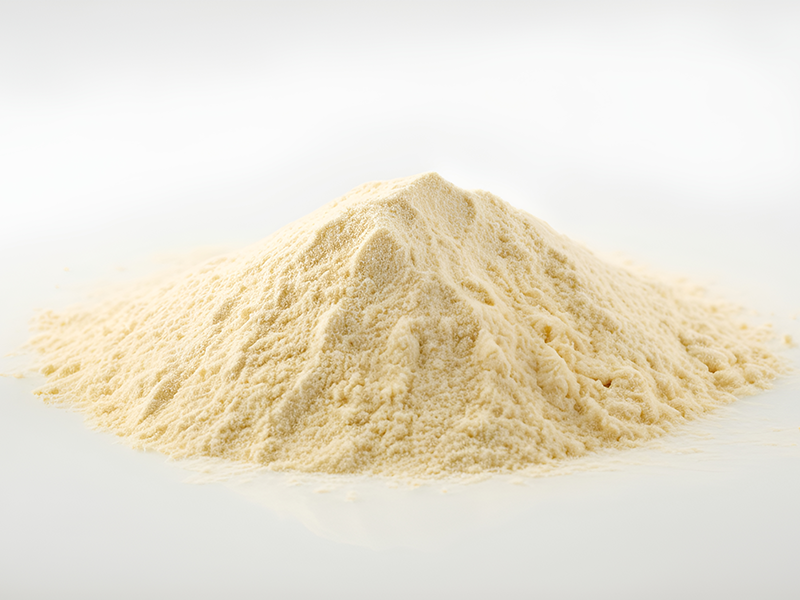
To wrap up, I’ve learned that modest ingredients like silica can make or break a product when people actually use it. The path forward is practical: design around particle behavior, respect sensory goals, and measure what matters. For teams that want a partner in that work, I trust practical research and clear testing — and I often point colleagues to resources like JSJ when they need material data and application insight.
