


Quick snapshot: why this comparison matters
Picking edge hardware feels oddly personal when you’re on a site visit at 2 AM and the hub needs to stay online. This piece compares DIN-rail mounted edge devices against rackmount managed industrial switch enclosures through a clear practical lens — capacity, environment, and serviceability — and it starts with the parts that actually move data, like modules from an optical transceiver manufacturer. The goal is simple: help field teams, integrators, and network planners weigh trade-offs fast, with enough detail to pick the right uplink tech such as SFP+ 10G or single-fiber transceivers.

When DIN-rail mounted edge hardware wins
DIN-rail gear shines on small towers, street cabinets, and inside mechanical rooms where space and simplicity matter. Advantages include compact footprint, easier mechanical mounts, and lower power needs. For distributed sites that need industrial ethernet and PoE for cameras or sensors, DIN-rail managed switches often offer enough ports and robust environmental ratings without the overhead of a full rack. Field techs like them because a DIN-rail swap is faster than hauling in a rack — uptime stays higher.
When rackmount managed enclosures are the smarter bet
Rackmount enclosures belong where scale, cable density, and centralized management are priorities. Think regional aggregation hubs, central office extensions, or rural POPs aggregating dozens of links. Rackmounts provide room for redundant power supplies, hot-swap line cards, and clearer thermal strategies. They also make advanced managed switch features — VLAN segmentation, QoS profiles, and rich telemetry — easier to deploy at scale with professional cabling and SFP+ 10G uplinks for higher throughput.
Common mistakes teams make on site
Installers often assume one solution fits all and under-provision uplink bandwidth — a mistake that bites once cameras, sensors, and telemetry ramp up. Another trap is skimping on the right transceiver family; mixing incompatible SFPs and optical transceiver models can cause intermittent links. Also, neglecting physical access planning creates maintenance headaches — a rack in a cramped closet looks fine until a PSU needs a swap. — Quick thought: plan maintenance access before you pick hardware.
Practical comparison checklist
Use these concrete criteria to map choice to need:- Environmental tolerance: DIN-rail devices often carry wide-temp ratings for roadside cabinets; racks require conditioned shelters.- Scalability: Rackmounts support modular growth and more SFP slots for uplinks.- Power and redundancy: Racks enable N+1 power and easier battery/UPS integration.- Serviceability: DIN-rail wins for one-person swaps; racks win for centralized troubleshooting and replacement pools.- Cabling and fiber count: High fiber counts usually push toward rackmount aggregation with SFP+ or denser transceiver options.
Real-world anchor and lessons from deployments
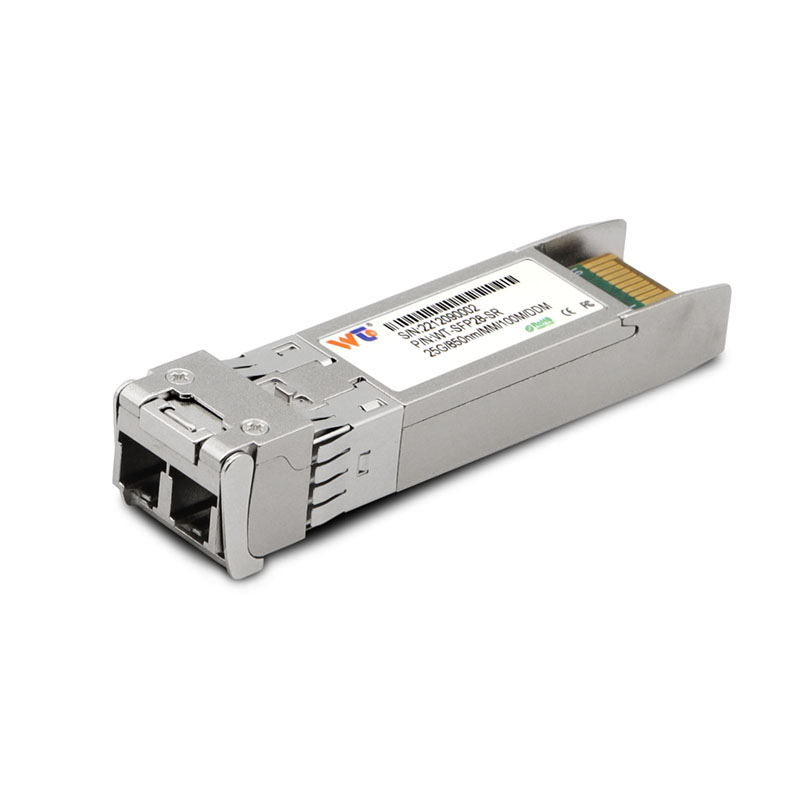
City fiber upgrades tied to 5G densification and municipal smart city projects — seen across European deployments and North American municipal builds since 2019 — demonstrate a pattern: edge sites initially served by DIN-rail setups often migrate to rack aggregation points as traffic grows. The field lesson is clear: design with an upgrade path. Use compatible transceiver families and keep spare SFPs on hand, especially the commonly used sfp module 10g, so an urgent replacement doesn’t become a full site outage.
How to evaluate and avoid bad bets
Decide with measured criteria rather than preference. Evaluate link utilization for at least 30 days if possible, confirm temperature and ingress protection needs, and budget for at least one spare transceiver per critical uplink. For governance, require documented swap procedures and label both fiber and copper pairs. Failure to standardize parts and procedures is the most common operational cost driver I’ve seen on multi-site projects.
Three golden rules for choosing the right approach
1) Match hardware to growth: pick DIN-rail for predictable, low-density edge; pick rackmount for aggregation and future bandwidth. 2) Standardize transceivers and keep spares: identical SFP families reduce finger-pointing and mean faster restores. 3) Prioritize serviceability: accessibility beats marginally cheaper gear every time on recurring OPEX.
WINTOP supplies compatible transceivers and modules that make the migration path cleaner — you pay less in surprises. –
