

Cold Start, Hot Take
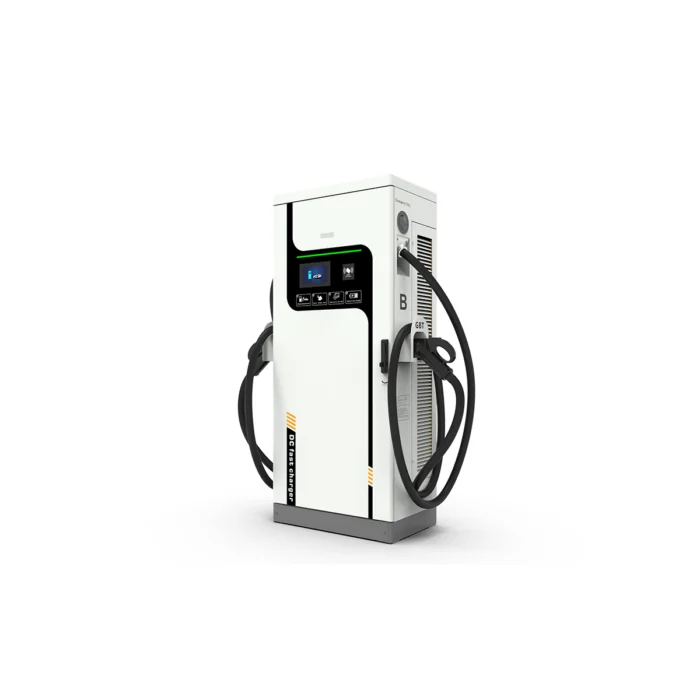
I pulled into a windswept rest stop at 2 a.m., battery low, vibes lower. The EV fast charger looked ready, but the screen threw lag and flaky prompts. Field checks often show double-digit failure rates, and many “150 kW” stalls average far less during peak hours. So, why do so many sites feel like a coin flip when you just want juice and go?
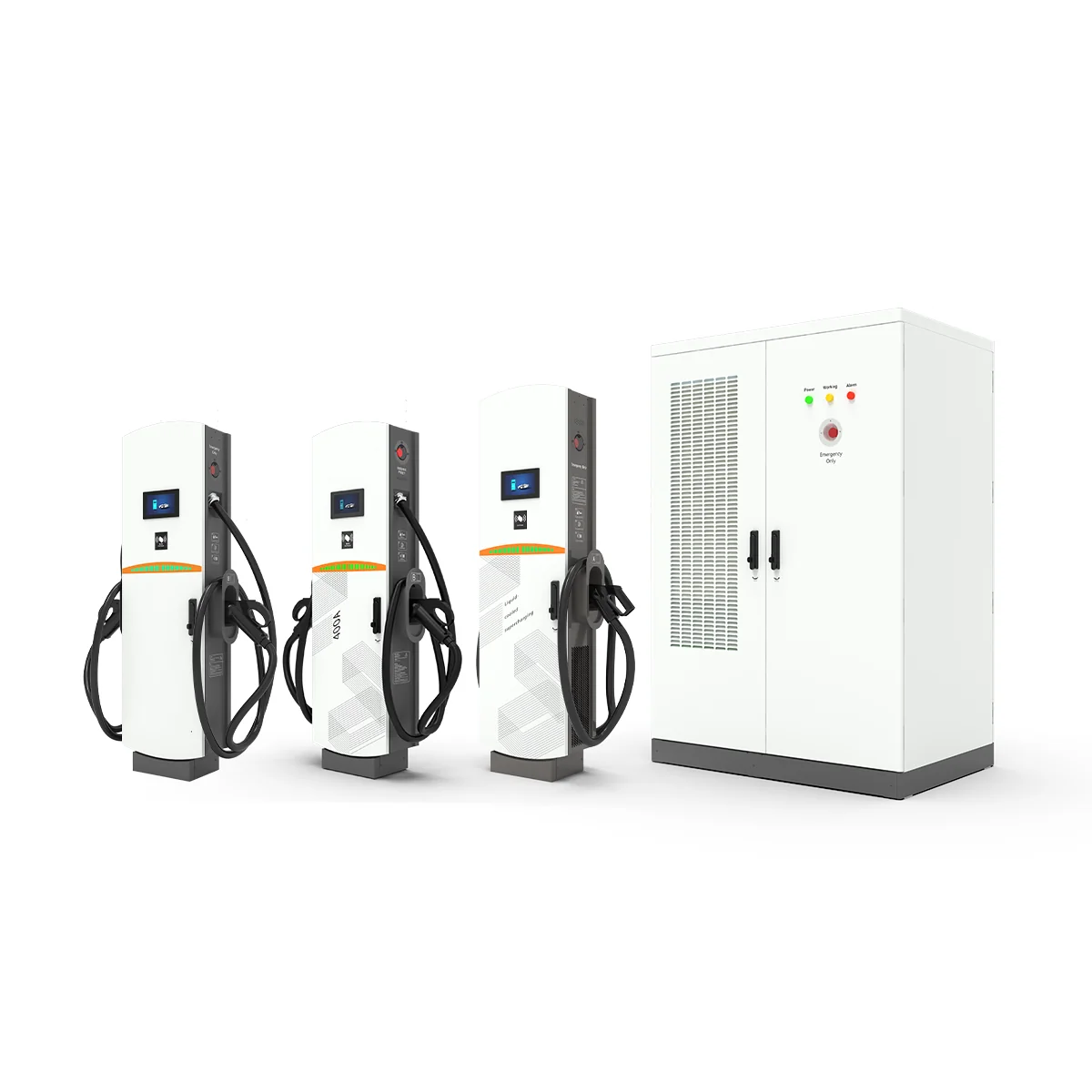
Think about it. The promise is simple: plug in, charge fast, roll out. But the stack behind it is gnarly. Power converters, network backends, and thermal management all need to sync tight, or your session throttles hard. (Been there.) If stations can’t talk to the cloud or adjust load sharing in real time, edge computing nodes can’t help, and the whole lane jams. Do we build for max kilowatts, or steady, repeatable uptime?
Bold answer time—both, but with better design. Let’s break the weak links, compare old versus new, and see what actually holds up under road wear. Onward to the guts.
Under the Hood: Why Legacy Fast Charging Trips Up
Where do legacy designs fall short?
Teams like China EV charger manufacturer 210 study the same pain you feel at 2 a.m. Traditional stacks bolt on power modules and call it a day, but integration is the real boss fight. Old-school units often isolate control, so the charger, the site controller, and the OCPP backend don’t coordinate smart load balancing. Result: long handshake times, failed starts, and throttling when another car plugs in—funny how that works, right?
Look, it’s simpler than you think. Many “fast” sites choke at heat and handshake. Weak thermal management raises internal resistance; the charger derates to save itself. Clunky firmware can’t predict session ramp; the rectifier hunts; the contactor opens late. Without edge computing nodes to preprocess data at the stall, the cloud becomes a bottleneck. And if your power converters lack modern SiC MOSFETs or clean EMI design, harmonics creep in and efficiency falls. That’s the quiet tax drivers pay in minutes, not dollars.
Comparative Blueprint: New Principles That Actually Scale
What’s Next
New-school design wins by linking physics to software, not just stacking wattage. Modular power stages with SiC devices cut switching loss and heat, so the cabinet holds output longer. A local controller runs predictive curves, then pushes only summaries north (edge-first, cloud-second). When a second car arrives, the system pre-splits current before the plug clicks. That’s fast by design, not luck. Put it side by side with legacy gear and you see it: fewer retries, faster ramp to target, and calmer temps over a 30-minute session. In a rollout, a modern stack like a fast charger for EV 390 configuration aligns power electronics, firmware, and site energy storage so sessions feel consistent—day or night.
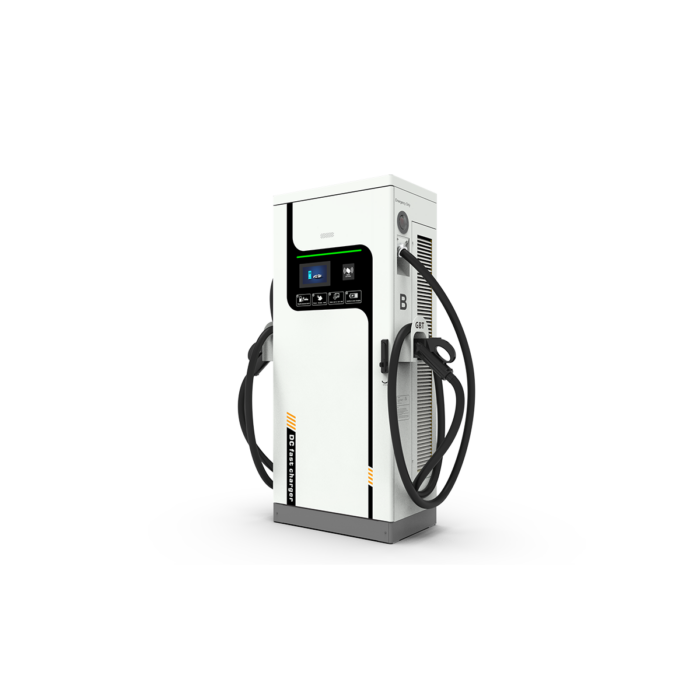
If you’re comparing vendors, swap “marketing watts” for measurable control. Ask how the charger models cable temperature, grid flicker, and EV handshake variance. Verify smart load sharing across stalls, not just “per unit” ratings. And insist on live observability, so you catch degraded modules before users do. Advisory close-out: track three signals. 1) Real session median kW in a shared site at 50% occupancy. 2) First-try start rate across mixed EV models, measured at the charger, not the cloud. 3) Sustained output versus ambient temperature (no cherry-picked charts). When those hold up, the all-night stop turns from gamble to rhythm—fast in, fast out. Knowledge shared, no hype. Winline
