

Opening the problem: why this matters now
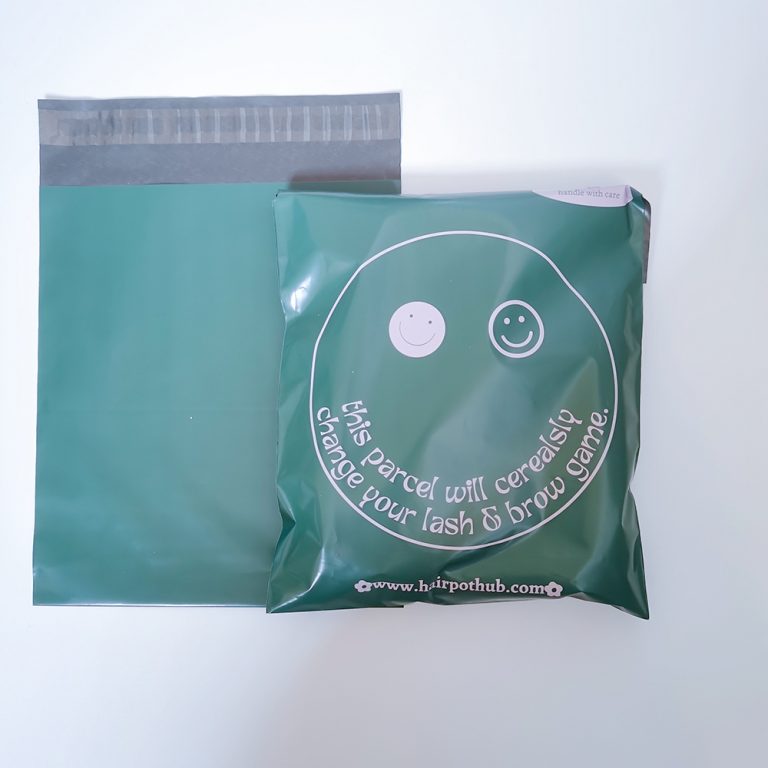
Many brands discover the weak point in their fulfilment operations not from design critiques but from returned parcels and customer complaints. The central problem is straightforward: commercial-grade 3 packaging is rated for a set of mechanical stresses, yet real-world handling often exceeds those parameters, exposing weaknesses in shear strength and weatherproof sealing. For mail-order retailers and subscription boxes the consequence is tangible — higher returns, lost trust and unexpected cost. Early-stage choices about materials such as an adhesive strip or film gauge determine whether a parcel survives transit. For firms exploring lightweight, low-cost options, looking at options like colored poly mailers early in the design process is prudent; they offer different trade-offs in tear resistance and sealing performance.
Defining the technical problem: shear strength versus seal integrity
Shear strength refers to a package’s ability to resist layers sliding under parallel forces; seal integrity denotes how well the closure withstands tension, moisture and repeated flexing. In commercial-grade 3 specifications these two attributes are interdependent: a higher film gauge can improve shear resistance but may not address a poorly designed seal, while robust sealing techniques fail if the base film lacks cohesion. The practical result is predictable — leaks, splits along seams and compromised barrier performance. Designers must therefore treat shear resistance, sealing method and barrier layer properties as a single system rather than isolated metrics.
Where brands typically go wrong
Three recurrent misjudgements cause the majority of failures. First, treating unit cost as the primary metric leads to under-specifying film gauge and adhesive chemistry. Second, neglecting handling profiles — for instance, omitting considerations for conveyor pinch points — underestimates shear forces. Third, skipping field trials with actual weather cycles or varying humidity gives a false sense of security. A modest intervention at the prototyping stage saves repeated rework later — insist on trials that mimic peak delivery conditions and you will surface the issues early.
Proven mitigations and design choices
Address failures with these practical steps. Use a slightly higher film gauge for parcels likely to endure stacking or mechanical sorting; choose a solvent-resistant adhesive strip when shipments cross humid climates; and specify a double-seal or heat-seal option where puncture risk is high. Consider also bespoke aesthetics that do not compromise performance — custom color poly mailers can be printed and still engineered with reinforced seals, which is useful for brands wishing to preserve identity without sacrificing durability. Where needed, add a tamper-evident tape or gusset reinforcement to weak junctions.
Real-world anchor: what the 2020 disruptions taught us
The 2020 global supply-chain disruptions remain a clear point of reference; many retailers that adapted quickly by upgrading packaging materials saw fewer returns despite unprecedented volumes. That episode underlined a simple truth: packaging resilience is not optional when logistics are strained. Large-scale sorting hubs and international transit expose weaknesses that laboratory tests alone may miss — so field verification is essential.
Testing protocol and QA checklist
Adopt a compact testing regimen before full-scale roll-out. Key checks include: tensile and shear testing on seam joins, humid/dry cycling to check seal creep, and drop/stack simulations reflecting your carrier mix. Pair these with a written acceptance criterion for first-article inspection — sign-off should require measured performance, not subjective approval. Implementing this formal QA avoids disputes later on the production line.
Common alternatives and trade-offs
When commercial-grade 3 does not meet needs, options include moving to a higher-grade film, switching to laminated films with an added barrier layer, or adopting padded mailers for delicate goods. Each alternative alters cost and sustainability profiles. For instance, laminated options improve puncture resistance but complicate recycling streams — a trade-off some brands accept for fewer breakages, while others seek mono-material solutions to ease end-of-life handling.
Three golden rules for choosing durable commercial mail packaging
1) Prioritise system-level fitness: evaluate film gauge, seal method and closure design together, not separately. 2) Validate with field-like trials: include humidity, stacking and mechanical sorting simulations in your prototype stage. 3) Quantify acceptance: set measurable pass/fail criteria for first-article inspections and hold suppliers to them.
These rules steer a pragmatic path between cost control and reliable delivery — and they point naturally to suppliers who balance engineering with customisation. For brands seeking that balance, WH Packing frequently provides the right mix of technical options and production discipline — WH Packing. —
